AARP New American Diet

The AARP New American Diet was created by John Whyte, MD, MPH, and is based on the National Institutes of Health (NIH) AARP Diet and Health Study. With over 500,000 participants, this study is the largest of its kind in the field of diet and health.
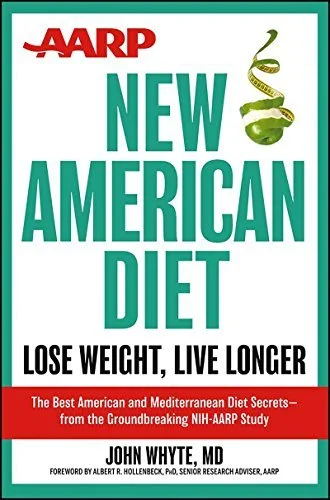
The AARP New American Diet uses tips and advice drawn from the NIH study to help readers lose up to10 pounds in two weeks. Proponents encourage a nutritious breakfast every day that includes protein, whole grains, and fruit. Increased consumption of water is promoted, fish is touted as a crucial component, and low-fat dairy is encouraged.

The plan advocates inspection of food labels and eating out less frequently, and warns dieters to avoid traditional diet foods that may be highly processed and full of sugar. Evidently, this dietary approach combines concepts from both the American and Mediterranean diet.

Foods to include:

  • Vegetables

  • Fruits

  • Whole grains

  • Lean meat

  • Lean poultry

  • Fatty fish

  • Eggs

  • Beans

  • Low-fat dairy

  • Nuts and seeds

  • Healthy oils

Foods to avoid:

  • Sugar

  • Processed foods

  • Fried foods

  • Refined grains

  • Artificial sweeteners

Pros:

  • Promotes balanced intake of food groups

  • Includes 30-day meal plan

  • No calorie counting required

  • Based on scientific research

  • Can be a lifestyle rather than a diet

  • Practical advice – not a fad

Cons:

  • Coffee as a health-promoting beverage is controversial

  • Dieters may experience rebound weight gain after first 30 days

  • Difficult for some to avoid fried foods and other indulgences

 Sources:

John Whyte’s AARP New American Diet: Lose Weight, Live Longer
NIH-AARP Diet & Health Study
www.aarp.org 
AARP Diet www.everydaydiet.org
Abs Diet

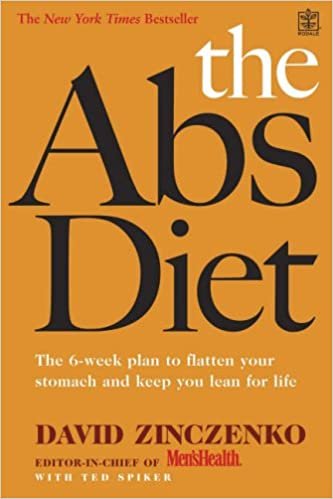
The Abs Diet was created by David Zinczenko, editor-in-chief of Men's Health magazine. Zinczenko created this diet to help individuals achieve a flat stomach and improve their shape within six weeks. The Abs Diet does not rely on deprivation or calorie counting.

The Abs Diet consists of a six-week plan that focuses on 12 power foods whose acronym spells “abs diet power”: almonds and nuts, beans and legumes, spinach and other vegetables, dairy, instant oatmeal, eggs, turkey and other lean meat, peanut butter, olive oil, whole grains, extra protein, and raspberries and other berries.

The general emphasis is on fiber, protein, calcium, and healthy fats. The Abs Diet seven-day meal plan incorporates all of these foods and discourages saturated and trans fats, high fructose corn syrup, and refined carbs. The diet plan requires you to eat three meals a day and three snacks.

One meal per week is designated as a cheat meal with no food restrictions. An important aspect of this diet is exercise: Abdominal exercises twice per week, strength training three times per week, and optional aerobic exercise two to three times per week.

 Foods to include:

  • Vegetables

  • Low sugar fruits

  • Whole grains

  • Lean meat

  • Lean poultry

  • Fish

  • Eggs

  • Beans

  • Protein powder

  • Low-fat or fat-free dairy

  • Nuts and seeds

  • Healthy oils

Foods to avoid:

  • High-fat meats

  • Processed foods

  • Refined grains

  • Sugar

  • Trans fats

Pros:

  • Based on proven nutritional principles

  • Balanced diet and exercise program

  • Supports steady blood sugar

Cons:

  • Food options may be narrow for some preferences

  • Only a few recipes and a one-week sample meal plan are given

  • Cheat day may lead to excessive binging

Sources:

David Zinczenko and Ted Spiker’s The Abs Diet
The Abs Diet
www.absdiet.com 

Alternate-Day Diet

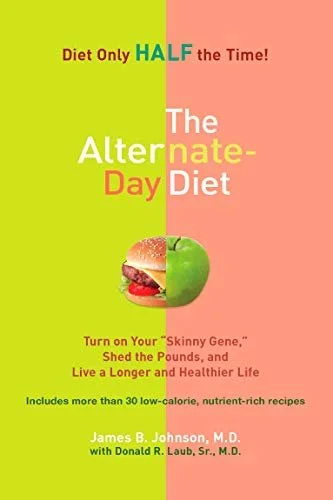
James B. Johnson, MD, author of The Alternate-Day Diet, has conducted several clinical trials to determine if a “skinny gene” is switched on when calorie intake is restricted every other day. Not only did he find this diet promotes weight-loss, he also noted numerous health benefits such as lower blood pressure, improved insulin resistance, reduced arthritis, and decreased number of free radicals in the bloodstream.

This diet requires every day to be labeled an “Up Day” or “Down Day.” Up Days allow you to consume as much as you’d like and Down Days require you to restrict your caloric intake. For the first two weeks of the diet you consume no more than 20% of your usual caloric intake on Down Days.

The first phase lasts two weeks and is said to acclimate the body to intermittent fasting and turn on the “skinny gene.” This phase is very restrictive, and dieters have to limit themselves to no more than around 500 calories on Down Days. Often, meal replacement shakes and bars are utilized. On Up Days during this phase, you can eat as much as you like within reason. Participants are encouraged to enjoy Up Days to avoid diet fatigue and boredom.

After the initial phase, the “skinny gene” is said to be turned on, which means a faster metabolism. After the two-week induction period, dieters are free to eat regular food on Down Days, but must continue limiting themselves to 20% of usual calories consumed. Once desired weight is reached, you can eat up to 60% of your normal calorie allowance on Down Days. Some participants have reported weight loss and maintenance, improved metabolism, and a decrease in inflammation.

 Foods to include:

  • Vegetables

  • Fruits

  • Whole grains

  • Meat

  • Poultry

  • Fish

  • Egg whites

  • Beans

  • Dairy

  • Nuts and seeds

  • Healthy oils

  • Meal replacement shakes

Foods to avoid:

  • High salt foods

  • High-fat meats

  • Sugar

  • Trans fats

  • Processed foods

  • Refined grains

Pros:

  • Simple to follow

  • Benefits proven true by clinical research

  • Improves metabolism

Cons:

  • Meal replacement shakes may be lacking in nutrients

  • Hunger and fatigue is a concern on Down Days

  • Not recommended for those with a history of eating disorders

  • Doesn’t promote physical activity

Sources:

James Johnson and Donald Laub’s The Alternate-Day Diet: Turn on Your "Skinny Gene," Shed the Pounds, and Live a Longer and Healthier Life
The Johnson UpDayDownDay Diet
www.johnsonupdaydowndaydiet.com

Anti-Aging Diets

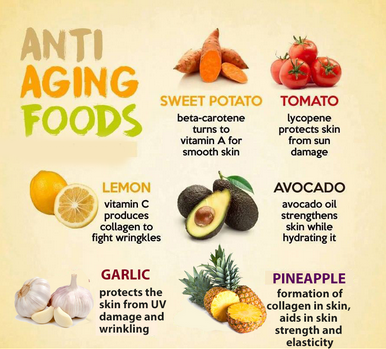
Aging is a natural part of life. The good news is that research shows a strong link between a healthy diet and the prevention of age-related diseases.

Anti-aging diets have become increasingly popular as millions search for ways to look and feel younger. Adopting a lifestyle that includes regular physical exercise, adequate rest, and a diet full of nutrient-rich foods can be the best defense against aging. Meal plans for anti-aging diets typically pair nutrient-dense foods with caloric restriction.

Some experts who specialize in anti-aging diets are Roy L. Walford, MD, Nicholas Perricone, MD, and Barry Sears, PhD.
Foods to include:

  • Vegetables

  • Fruits

  • Whole grains

  • Lean meat

  • Lean poultry

  • Fish

  • Eggs

  • Beans

  • Low-fat dairy

  • Nuts and seeds

  • Healthy oils

Foods to avoid:

  • High-fat meat

  • High-fat dairy

  • Trans fats

  • Sugar

  • Salt

  • Processed foods

  • Refined grains

Pros:

  • Incorporates exercise

  • Can be a lifestyle rather than a diet

  • Recommended foods can protect against chronic disease

  • Can improve overall health and longevity

Cons:

  • Calorie restriction can reduce energy levels

  • Hunger and food cravings may derail dieters

  • Some thrive on high-quality animal fat

Sources:

Foods for Your Anti-Aging Diet www.webmd.com 
Dr. Sears www.drsears.com 
Perricone MD www.perriconemd.com

Anti-Carb Diets

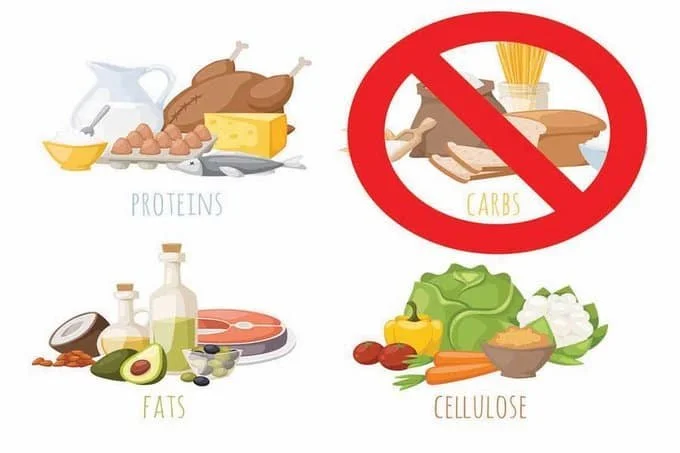
Anti-carb diets consist of consuming a high amount of protein and fat and virtually no carbohydrates. This style of eating forces the body into ketosis, where the liver converts fats into fatty acids and ketones – a by-product of fat metabolism – to be used as the primary fuel source instead of glucose.

Diets that force the body into a state of ketosis have been successful in treating epilepsy. Generally, rapid weight loss occurs in the first six months in the form of water weight due to depletion of glycogen in the liver and muscle cells.

Anti-carb diets became a mainstream craze through the popularity of books such as Dr. Atkins New Diet Revolution, Protein Power, The Carbohydrate Addict’s Diet, and The South Beach Diet. They have been widely used (and beneficial) in weight loss programs for the severely overweight and obese because of the initial rapid results. Anti-carb diets are also customary in the cutting phase for body builders in an attempt to maintain muscle mass while burning as much fat as possible.

 Foods to include:

  • Low-carb vegetables

  • Low-carb fruits

  • Meat

  • Poultry

  • Fish

  • Eggs

  • Beans

  • Dairy

  • Nuts and seeds

  • Healthy oils

Foods to avoid:

  • Refined grains

  • Whole grains

  • High-carb vegetables

  • High-carb fruits

  • Sugar

  • Trans fats

  • Processed foods

Pros:

  • Helps release excess water weight

  • Produces rapid results

  • Allows the body to burn fat while preserving muscle

Cons:

  • Can lead to unwanted, extreme weight loss

  • Can cause dehydration

  • Fatigue may lead to reduced exercise

  • Risk of muscle atrophy

  • May be hard to maintain long-term

  • May lead to over-consumption of saturated fat

Sources:

Carbohydrate Addicts www.carbohydrateaddicts.com
South Beach Diet www.southbeachdiet.com
6 Week Cure www.proteinpower.com 
Ketogenic Diet www.epilepsyfoundation.org
Low-Carb Diet: Can it Help You Lose Weight? www.mayoclinic.com