Atkins Diet

Robert C. Atkins, MD, created his iconic diet in the 1960s and published his first book, Dr. Atkins’ New Diet Revolution, in 1972. It wasn’t until two decades later that the Atkins Diet became revolutionary.
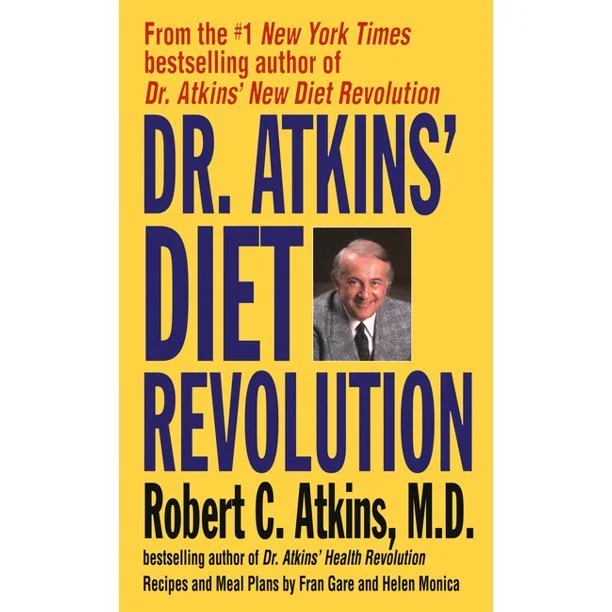
The Atkins Diet is based on the controversial concept that the body will burn fat for fuel when carbohydrates are significantly restricted. This allows individuals to reach their goal weight more quickly than if carbohydrate intake remained the same.

There are four phases of the Atkins Diet: The first phase, Induction, severely restricts carbohydrates and focuses on protein, healthy fat, and vegetables to jump-start weight loss. The second phase, Ongoing Weight Loss, incorporates nuts, berries, and yogurt to add more variety and carbohydrates back into the diet. The third phase is Pre-Maintenance, which allows fruit and legumes. The fourth and last phase is Lifetime Maintenance, which allows bread and grain.

The five principles of the Atkins Diet are high-protein, high fiber, low sugar, an emphasis on vitamins and minerals, and the elimination of trans fats.

Foods to include:

  • Low-carb vegetables

  • Low-carb fruits

  • Meat

  • Poultry

  • Fish

  • Eggs

  • Beans

  • Dairy

  • Nuts and seeds

  • Healthy oils

Foods to avoid:

  • Refined grains

  • Whole grains

  • Sugar

  • Trans fats

Pros: 

  • Quick weight loss in some cases

  • Processed foods restricted

  • Encourages awareness of hunger cues and cravings

  • Focuses on long-term weight loss and maintenance

Cons:

  • Can be high in saturated fat and cholesterol

  • Doesn’t promote a healthy balance of food groups

  • Condemns carbohydrates, required by some for proper function
    Sources:

Atkins www.atkins.com
Atkins Diet health.usnews.com
Ayurveda Diet

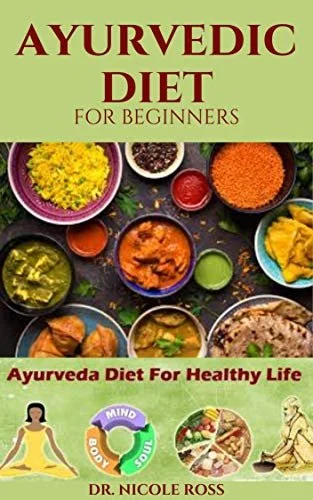
Ayurveda, meaning “the science of life,” originated in India as a holistic approach to create balance within the mind and body by aligning oneself with nature. The belief is that disease results from an imbalance of the doshas: Vata, pitta, and kapha.

Doshas are physiological types that every human exhibits some combination of. The three different types are based on the five elements of nature: ether (or space), fire, air, water, and earth.

Vata corresponds with air, and may indicate a flighty nervous system, inconsistent behavior, and light-heartedness. Pitta represents fire, and usually means a strong personality, leadership qualities, and intense emotions. Kapha primarily represents water, exhibited in a slow, steady demeanor and strong loyalty. Although combinations are common, there is usually one dosha that is dominant.

According to this theory, by eating in accordance with one’s Ayurvedic body type (or dosha), balance and good health can be restored. The Ayurvedic diet focuses on the six basic tastes: Sweet, sour, salty, bitter, pungent, and astringent. The Ayurvedic approach usually includes a combination of yoga, breathing exercises, meditation, mantras, cleanses, and massaging the skin with dosha-specific oil.

Foods to include: 

Vata Dosha: Warm, cooked, nourishing, and easily digestible foods

  • Vegetables

  • Fruit

  • Rice and wheat

  • Poultry

  • Fish

  • Eggs

  • Mung bean dahl

  • Low-fat dairy

  • Tofu

  • Nuts and seeds

  • Healthy oils

Pitta Dosha: Cool, raw, or lightly cooked foods

  • Vegetables

  • Fruits

  • Wheat, rice, barley, and oats

  • Poultry

  • Fish

  • Egg whites

  • Milk

  • Butter

  • Ghee

  • Nuts and seeds

  • Healthy oils

Kapha Dosha: Light, warm, and spicy foods

  • Vegetables

  • Fruits

  • Barley, corn, millet, buckwheat, and rye

  • Poultry

  • Fish

  • Eggs

  • Beans

  • Nuts and seeds

  • Healthy oils

Foods to avoid:

  • Vata types: Cool, non-digestible foods, and sugar

  • Pitta types: Foods overexposed to heat and light, fried foods, and spicy foods

  • Kapha types: Greasy foods and processed sugar

Pros:

  • Honors bio-individuality

  • Focuses on prevention

  • Considers primary food

  • In line with the seasons

  • Emphasizes whole foods

Cons:

  • Scientific evidence limited

  • Diet may be limiting for some people

  • May be difficult to find specialty foods

Sources:

Ayurveda https://www.umms.org/ummc 
Ayurvedic Medicine https://nccih.nih.gov/ 
The Premier Center for Natural Health and Ayurveda https://lifespa.com/ 
The Ayurvedic Institute https://www.ayurveda.com/ 

Baby Food Diet

The Baby Food Diet was created by celebrity trainer Tracy Anderson as an unconventional method for quick weight loss, detoxification, and breaking unhealthy habits.

Although there are only a few guidelines, the most popular version of this diet consists of eating 14 jars of baby food each day along with a healthy dinner of choice. The idea is that eating small portions of soft, digestible food throughout the day will prevent overeating and reduce cravings.

Baby food consists primarily of fruits and vegetables, which can help crowd out unhealthy food. Jars of baby food range from 15-100 calories and are typically enriched with various nutrients.

Foods to include:

  • Baby food

  • Vegetables

  • Fruits

  • Whole grains

  • Meat

  • Poultry

  • Fish

  • Eggs

  • Beans

  • Dairy

  • Nuts and seeds

  • Healthy oils

Foods to avoid:

  • Processed foods

  • Refined grains

  • Sugar

  • Trans fats

  • Processed foods

Pros:

  • Allows for easy portion control

  • Quick weight loss in some cases

  • Low in fat, sodium, additives, and preservatives

  • Convenient to take on the go

  • Eliminates the need to prepare and cook breakfast and lunch

Cons:

  • Babies and adults have different dietary needs

  • Not sustainable

  • Difficult to eat in restaurants and social situations

  • Baby food lacks adequate fiber and vitamin D

  • Very few guidelines to help ensure a balance of nutrients

Sources:

The Baby Food Diet www.webmd.com 
Baby Food Diet: Good or Bad Idea? www.youtube.com

Beck Diet Solution

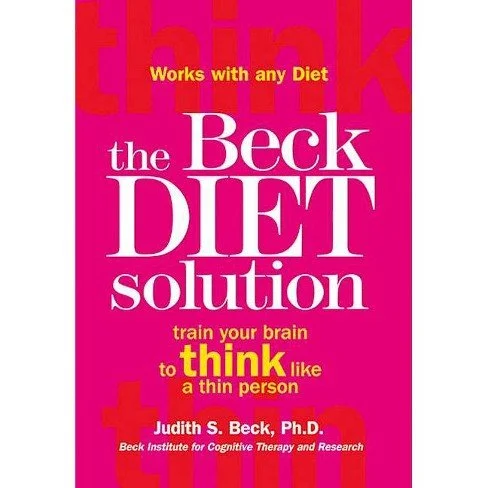
The Beck Diet Solution, created by Judith S. Beck, PhD, encourages people to “train the brain to think and eat like a thin person.” 

This unique program teaches dieters how to apply the proven benefits of cognitive therapy to overcome hurtles associated with dieting. Cognitive therapy is a form of psychotherapy that focuses on problem solving by understanding the root causes of distorted thinking.

Rather than offering an ordinary diet plan, The Beck Diet Solution Weight Loss Workbook offers a 6-week plan that shows people how to think differently, change their eating behavior, and lose weight permanently. The idea is that people are less likely to fail if they make changes to their daily behavior and set short-term goals.

While incorporating practical decision-making and positive mindset exercises, the program provides 42 daily tasks that help equip the brain to make better food-related decisions. The plan includes easy-to-use tools such as hunger monitoring scales, daily planning schedules, weight loss graphs, and motivational cards.

Foods to include:

  • n/a

Foods to avoid:

  • n/a

Pros:

  • Focuses on dieting from a psychological standpoint

  • Provides helpful, easy-to-use tools

  • Teaches readers how to handle pressure from outside sources

Cons:

  • No direction is given regarding what to eat and what not to eat

  • Dieter may not be ready to address psychological issues

Sources: 

Beck Diet Solution www.beckdietsolution.com 
Beck Diet Solution Interview www.youtube.com 
The Beck Diet Solution: Train Your Brain to Think Like a Thin Person, Book Review
www.eatright.org

Bernstein Diet

The Bernstein Diet is a clinical diet program created by Stanley Bernstein, MD, a Canadian physician specializing in weight loss programs. This program is medically supervised by registered nurses and medical doctors to ensure a safe weight loss journey.

The Bernstein Diet aims to help participants lose between 4-5 pounds per week by adhering to a low-calorie diet, behavior modification, and vitamin supplementation. Participants are required to visit a Bernstein Diet clinic a minimum of three times per week in order to achieve the best results.

Dr. Bernstein’s approach is centered around stabilizing blood glucose by paying attention to how many carbohydrates you’re eating. His carb breakdown is known as “6-12-12”: 6 grams at breakfast, 12 grams at lunch, and 12 grams at dinner. Meal planning is encouraged in order to hit this goal and food lists are provided.

Foods to include:

  • Vegetables

  • Fruits

  • Limited whole grains

  • Lean meat

  • Lean poultry

  • Lean fish

  • Eggs

  • Beans

  • Low-fat or non-fat dairy

  • Nuts and seeds

  • Healthy oils

Foods to avoid:

  • Refined grains

  • Sugar

  • Trans fats

  • Processed foods

  • Red meat

  • Full-fat dairy products

Pros:

  • Can be a lifestyle rather than a diet

  • Medically supervised

  • Provides counseling and support

Cons:

  • Program may be expensive for some

  • No emphasis on exercise

  • Clients must travel to clinic for visits

Sources:

Dr. Bernstein Diet & Health Clinics www.drbdiet.com
Dr. Bernstein Diet & Beyond www.mayoclinic.com
Bernstein Diet www.everydaydiet.org