Core Conditioning 101

You rely on your body to get get out of bed, to lift your children, to perform your job and to take you places everyday. If you appreciate what your body does for you, you will provide it with nutritious food, hydrate with water and be sure to add some activity into your day.

While our limbs provide mobility, reach and strength it is our body core that provides the basis of each movement. Sedentary lives can cause our body core muscles to weaken and become subject to strain or injury. Even if you workout or participate in sports you may not be working the body’s core muscles you rely on to perform.

What is your body’s “Core”?

Your body’s core is the midsection of your body, from your groin to your shoulders. The core includes the pelvis, abs, back and chest muscles. It is this core that offers stability, balance and flexibility. Every movement you make originates in the core – whether you are reaching for your toothbrush or running a marathon. If the core is not properly conditioned it will limit your physical abilities.

Working the muscles in your body core will improve the effectiveness of movements in your limbs. Most exercise routines focus on building muscle. By creating a stable, strong base for those muscles you can optimize the strength and flexibility of each limb.

How do you strengthen your core?

There are many exercise routines and products that work the muscles of the body core. Professional trainers create customized routines to enhance an athlete’s abilities by developing the proper core muscles. However, there are also many programs developed for individuals who wish to incorporate it into their fitness routine or to begin one.

The exercises and products developed to strengthen your body’s core do so by creating resistance or instability so that the core muscles must respond to maintain balance. The exercises are gentle on the body but are intense and beginners will quickly ‘feel’ the muscles being used. Proper alignment is key so having a trainer to check your position will help identify the safest and most effective way to perform an exercise.

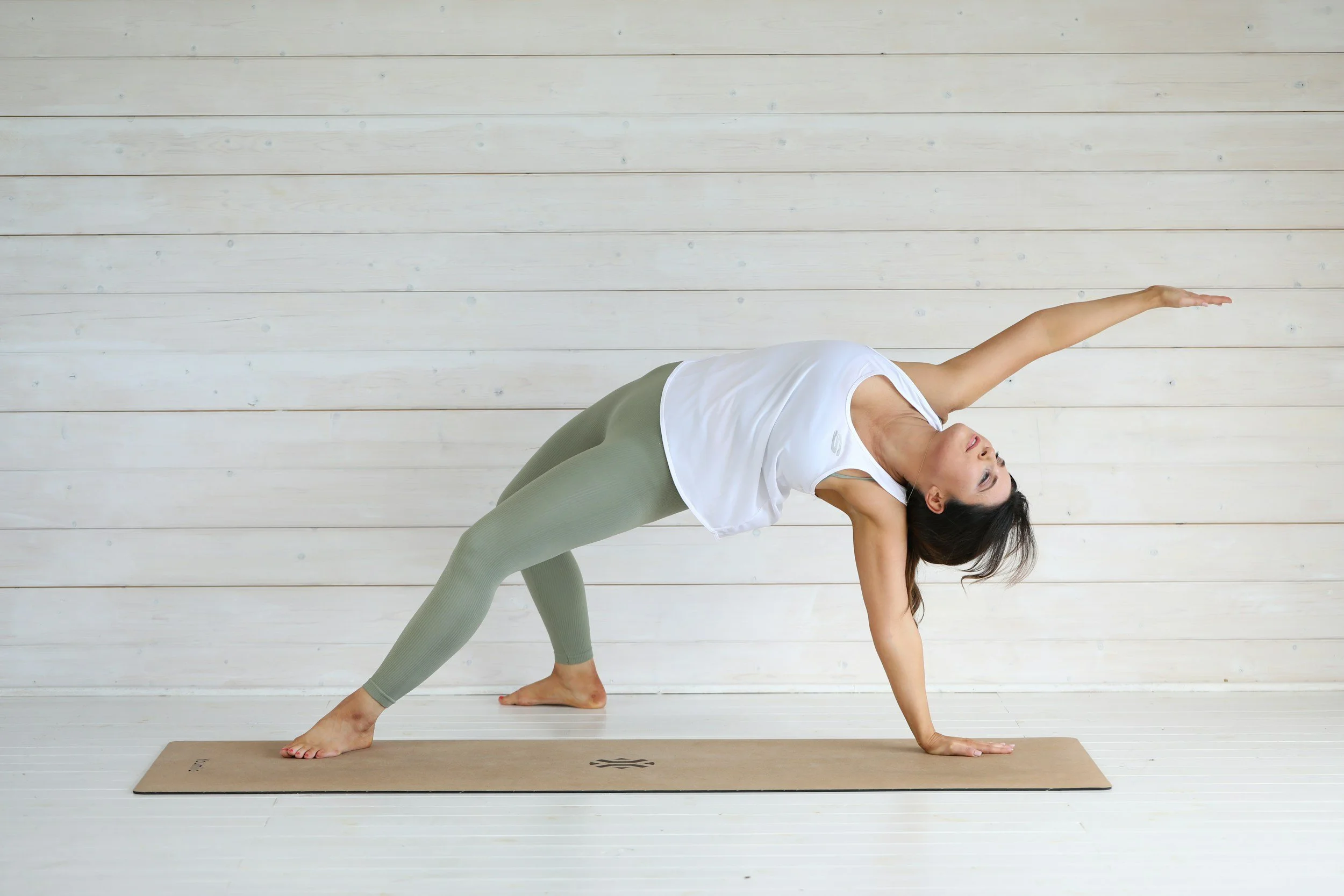
Core exercises often imitate moves that we employ in daily life or sports and thus train the body to rely on the core and reduce the strain we put on our limbs. Two popular forms of exercise that develop core body strength are pilates and the swiss ball. Pilates uses the body as its own form of resistance. Learning to breath properly and perform slow, controlled movements allows a person to isolate and strengthen core muscles. The swiss ball (also known as a fitness ball) is an easy and fun way to strengthen the body core. While there are many exercises that can be performed with the swiss ball, simply sitting on it will create the instability needed to engage the core muscles to maintain balance.

Good core strength is important at every age and fitness level. Whatever your goals, find a way to incorporate body core conditioning into your routine to reduce fatigue, avoid muscle strain and improve your strength and mobility.

30 Minutes Of Exercise A Day Keeps The Doctor Away

Exercise is good for you! If you had a dollar for every time you heard this statement uttered, you’d be rich by now, right? Well, proponents of everyday physical activity aren’t just blowing smoke when they repeat this mantra. Medical research has uncovered resounding evidence to back up this good for you claim. In fact, the U.S. Surgeon General, the American College of Sports Medicine (ACSM), and the National Centers for Chronic Disease Prevention and Health Promotion all recommend the same thing when it comes to regular exercise: American adults should aim for 30 minutes or more of moderate-intensity physical activity on most, and preferably all, days of the week.

Inquiring minds want to know, so how exactly will daily exercise impact your health and well-being? Regular physical activity positively affects not only your body but also your mind. That’s right: Exercise simultaneously improves your physical, your emotional, and your psychological health. In fact, it’s a triple-threat combatant against the physical and mental disorders Americans most often face: heart disease, diabetes, stroke, stress, anxiety, and depression, just to name a few.

When industry experts stand in staunch agreement, you know it’s time to focus your attention on their advice and take their concurring counsel to heart. To that end, consider daily exercise’s benefits as purported by three of the leading medical sources: the American Heart Association, the Surgeon General’s Report on Exercise, and Fitness Management magazine.

The American Heart Association (AHA) lists a reduction in the risk of heart disease at the top of its daily physical activity benefit list. Exercise improves circulation throughout the body and lowers cholesterol, thereby decreasing the likelihood of a heart attack or stroke. The AHA also touts exercise’s ability to counteract the health problems plaguing today’s young people: obesity, high blood pressure, high cholesterol and poor lifestyle habits. In so doing, it prevents the conditions that lead to heart attacks and strokes later in life.

The U.S. Surgeon General, while echoing the AHA’s claims, narrows down physical activity’s benefits into specific categories. Overall, he maintains that exercise reduces one’s risk of dying prematurely, but explicitly mentions a reduction in heart disease, diabetes, high blood pressure, colon cancer, depression and anxiety and obesity among its lifesaving advantages. According to the U.S. Surgeon General, healthier bones muscles and joints as well as improved psychological well-being are some of the other benefits regular exercisers enjoy.

In an article entitled The Psychological Benefits of Your Exercise Program, Fitness Management magazine further details physical activity’s favorable effects on emotional and mental health. In particular, the article cites the following psychological advantages of exercise:

1) It reduces feelings of anxiety, worry, self-doubt and uncertainty about the future.

2) It lower stress levels and the accompanying physical complaints, such as headaches and muscle tension.

3) It energizes, thereby enhancing one’s mood.

4) It improves sleep quality.

5) It improves one’s self-image and confidence by keeping weight down and elevating mood.

So, while an apple a day is still sound advice, it seems exercising every day is the new and improved ticket to keeping the doctor away.

Starting A Fitness Program For Seniors

As people age their beliefs about themselves change, and one of those beliefs is about their ability to lead an active lifestyle. Many older people believe that they can no longer exercise like they used to when they were young. In many cases this may be true. However, studies show that it is never too late to start exercising. Nobody is too old to begin exercising. But it is important to start slow and work your way up. Once you have established an exercise routine you’ll likely find that you can be healthier, more active, and feel better than you did and even in your younger years.

Before you start an exercise program you should have a medical checkup. Check with your doctor to see what kind of exercises he recommends. You you're likely to find that your doctor will disagree that exercise will be a positive thing even into old age.

At the beginning your exercise program should include moderate levels of activity, and you should not start out with marathon exercise sessions. A good short 15 minute walk is an example of a moderate form of exercise that can yield great benefits. You may want to start with just 10 minutes. Or you may find it you can only walk for 5 to10 minutes before taking a rest. The important thing is to keep setting goals and moving ahead. So if you start with 10 minute walks gradually increase that time to 15 minutes and then to 20 minutes. Don’t try to prove to yourself how much you can do in your first session. It is far better to build yourself up and increase your activity level each day as your body begins to feel more comfortable with the tasks you are putting it through.

A good goal is 30 minutes of modest exercise each day. Ideally, this would include a combination of stretching each day and alternating aerobics and weight training. But this isn’t where you have to start. Especially if you have not been active for many years it could take weeks or even months before you’re comfortable with a 30 minute walk. There are many changes in our bodies as we age. Aging causes muscles to deteriorate along with our lung capacity. The rate of our metabolism and our flexibility decreases with age. There are also higher risks of medical problems such as osteoporosis.

It is estimated that regular exercise can prevent over half of the potential physical declines associated with aging. Physical activity slows down the aging process while increasing your energy, your stamina, and your mental health.

Improvements in strength, muscle tone and appearance are obvious benefits of exercise. Regular exercise will also increase the efficiency of your lungs and your heart warding off potential problems. It is essential to keep your ligaments from becoming too stiff as you age as this will result in less flexibility and reduced range of movement. An active person will receive benefits such as decreased blood pressure and a decreased heart rate. Improvements in self-image, confidence and reduced levels of stress are other benefits.

When you are considering a course of exercise activity is important to examine several categories. These categories are aerobic training, weight training and flexibility. In the beginning it is essential to increase your flexibility as much as possible. For people who have not exercised in a long time increasing flexibility should be the starting point and should precede other activities. Tight muscles can lead to injuries.

What you have spent several weeks improving your flexibility it is time to move to aerobic activities. Walking as previously mentioned as a great way to start. Another great activity is water aerobics. If you have access to a pool is a great way to get aerobic exercise without causing pain or stress to the joints.

While many people feel that exercise is something that is more difficult for them to do as they age it is just as if not more important to exercise in the latter portions of our lives.

How To Look After Your Brain As You Get Older

As we age, many of us will expect to become more forgetful. What we might not realize though is that we can also expect to see our IQ diminish. ‘Fluid intelligence’ (the ability to wrestle with an abstract concept and produce a useful answer) is negatively correlated with age, meaning that the older we become, the slower we get.

What’s more, is that age brings the risk of numerous neurological diseases from Alzheimer’s, to Parkinson’s, to dementia.

But is this inevitable? Or is there in fact a way to slow down and prevent age-related cognitive decline? Read on and let’s discover some of the best things you can do for your brain…

Use it or Lose It

Simply, the best way to prevent your brain from deteriorating is to use it more. The more you challenge your brain, the more you will produce the necessary neurotransmitters that encourage plasticity and that keep you learning and keep you nimble.

One of the big problems as we get older, is that we tend to stop learning new things or subjecting ourselves to new experiences. This can actually lead to the brain becoming less malleable and adaptable – the connections that you no longer use will be ‘pruned’ and the ones that you do use will become strengthened, making it hard to ‘learn new tricks’. Just like an old dog!

This will also reduce the amount of neurochemicals like dopamine and norepinephrine you produce. The result is that you become less interested in new things, less motivated and generally less cognitively nimble.

Move More

What’s also highly important is to move your body more. The brain is actually designed primarily for moving the body and this is the primary way that it learns about its environment. The more you move around and the more you challenge yourself to learn more motor movements, the more your brain will grow and strengthen.

This has actually been demonstrated in studies – where it has been seen that people who move less as they get older will become more likely to see decreases in fluid intelligence.

Nutrition

You knew this was coming – nutrition is also highly important if you hope to boost your brain power and keep it optimal as you age. The role of good nutrition is to fuel your brain with all of the micronutrients it needs to perform optimally – that means amino acids to repair damage, saturated fats to help with communication through the brain and vitamins and minerals to help synthesize neurochemicals and enhance signals throughout the brain.

If you go long periods without getting nutrients in your youth, this can end up causing cumulative damage that will affect you once you’re older. For these reasons, it’s absolutely essential to keep feeding your brain with the best nutrients and to avoid things like alcohol that you know are bad for it. Also important is to find antioxidants, which will help to protect the brain from damaging free-radicals that can form tumors.

Look after your brain in your youth and it will take care of you when you’re older!

Boost Your Health With Foods

Millions of people struggle with chronic health issues. With so many medical options to choose, some people are confused about the best approach for eliminating health problems. One of the best ways to improve a person's health is to change their eating habits. Food can be used to treat various illnesses. Some people only want to change their diet to lose weight. However, there are more potential health benefits than just weight loss.

Eliminating Sugar

Sugar is in nearly every processed food. Various studies indicate that overeating sugar can cause numerous health issues. Eliminating sugar from a person's diet can provide multiple health benefits. Some people notice an improvement in their energy after removing sugar for several days. Although a person may see an initial decrease in energy, most people feel better over time by eliminating processed sugar.
A full elimination diet can be hard to follow. As a result, many people have better success by slowly phasing out sugar from their diet.

Manage Stress with Food

Many people have chronic stress that is difficult to deal with. Although taking a prescription can help with this issue, changing the diet is a much better approach. Several food choices are available for people who want to reduce or eliminate their stress.

Dark chocolate has numerous health benefits. Not only does the food taste great, but it provides multiple vitamins and minerals. Some people wrongly assume that chocolate causes health issues. However, dark chocolate does not contain a lot of sugar. Adding dark chocolate to a person's diet is an excellent way to add variety.

Blueberries have also been proven to reduce stress. Blueberries contain numerous vitamins and minerals. This food is one of the best sources of antioxidants that a person can eat. Anyone who is struggling with stress should consider adding more blueberries to their diet. 

Beating Depression

Millions of people struggle with anxiety and depression. Living a healthy lifestyle can help some people improve these symptoms. Oatmeal is an excellent option for people who struggle with depression or anxiety. Eating oatmeal releases serotonin in the body. This is the same chemical reaction that occurs from taking an antidepressant. Oatmeal has also been proven to help regulate blood glucose. It is a complex carbohydrate that provides a lot of energy to the body.

Although enduring a chronic health issue can be challenging, there are numerous healthy food options that people can choose.