
Ayurveda, meaning “the science of life,” originated in India as a holistic approach to create balance within the mind and body by aligning oneself with nature. The belief is that disease results from an imbalance of the doshas: vata, pitta, and kapha.
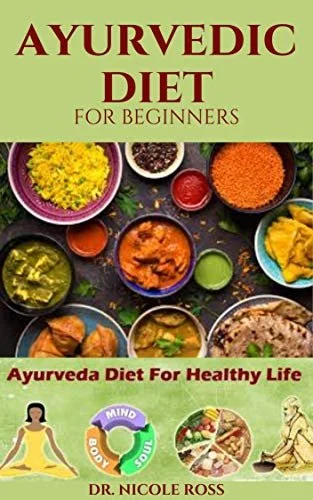
Doshas are physiological types that every human exhibits some combination of. The three different types are based on the five elements of nature: ether (or space), fire, air, water, and earth.
Vata corresponds with air, and may indicate a flighty nervous system, inconsistent behavior, and light-heartedness. Pitta represents fire, and usually means a strong personality, leadership qualities, and intense emotions. Kapha primarily represents water, exhibited in a slow, steady demeanor and strong loyalty. Although combinations are common, there is usually one dosha that is dominant.
According to this theory, by eating in accordance with one’s Ayurvedic body type (or dosha), balance and good health can be restored. The Ayurvedic diet focuses on the six basic tastes: Sweet, sour, salty, bitter, pungent, and astringent. The Ayurvedic approach usually includes a combination of yoga, breathing exercises, meditation, mantras, cleanses, and massaging the skin with dosha-specific oil.
Foods to include:
Vata Dosha: Warm, cooked, nourishing, and easily digestible foods
Vegetables
Fruit
Rice and wheat
Poultry
Fish
Eggs
Mung bean dahl
Low-fat dairy
Tofu
Nuts and seeds
Healthy oils
Pitta Dosha: Cool, raw, or lightly cooked foods
Vegetables
Fruits
Wheat, rice, barley, and oats
Poultry
Fish
Egg whites
Milk
Butter
Ghee
Nuts and seeds
Healthy oils
Kapha Dosha: Light, warm, and spicy foods
Vegetables
Fruits
Barley, corn, millet, buckwheat, and rye
Poultry
Fish
Eggs
Beans
Nuts and seeds
Healthy oils
Foods to avoid:
Vata types: Cool, non-digestible foods, and sugar
Pitta types: Foods overexposed to heat and light, fried foods, and spicy foods
Kapha types: Greasy foods and processed sugar
Pros:
Honors bio-individuality
Focuses on prevention
Considers primary food
In line with the seasons
Emphasizes whole foods
Cons:
Scientific evidence limited
Diet may be limiting for some people
May be difficult to find specialty foods
Sources:
Ayurveda https://www.umms.org/ummc
Ayurvedic Medicine https://nccih.nih.gov/
The Premier Center for Natural Health and Ayurveda https://lifespa.com/
The Ayurvedic Institute https://www.ayurveda.com/