
Anti-carb diets consist of consuming a high amount of protein and fat and virtually no carbohydrates. This style of eating forces the body into ketosis, where the liver converts fats into fatty acids and ketones – a by-product of fat metabolism – to be used as the primary fuel source instead of glucose.
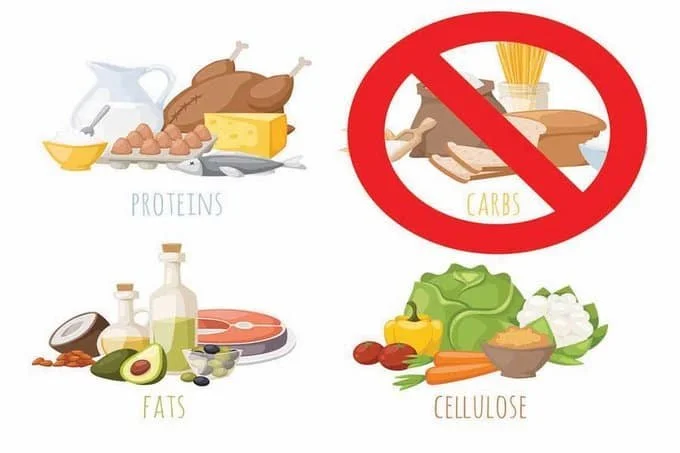
Diets that force the body into a state of ketosis have been successful in treating epilepsy. Generally, rapid weight loss occurs in the first six months in the form of water weight due to depletion of glycogen in the liver and muscle cells.
Anti-carb diets became a mainstream craze through the popularity of books such as Dr. Atkins New Diet Revolution, Protein Power, The Carbohydrate Addict’s Diet, and The South Beach Diet. They have been widely used (and beneficial) in weight loss programs for the severely overweight and obese because of the initial rapid results. Anti-carb diets are also customary in the cutting phase for body builders in an attempt to maintain muscle mass while burning as much fat as possible.
Foods to include:
Low-carb vegetables
Low-carb fruits
Meat
Poultry
Fish
Eggs
Beans
Dairy
Nuts and seeds
Healthy oils
Foods to avoid:
Refined grains
Whole grains
High-carb vegetables
High-carb fruits
Sugar
Trans fats
Processed foods
Pros:
Helps release excess water weight
Produces rapid results
Allows the body to burn fat while preserving muscle
Cons:
Can lead to unwanted, extreme weight loss
Can cause dehydration
Fatigue may lead to reduced exercise
Risk of muscle atrophy
May be hard to maintain long-term
May lead to over-consumption of saturated fat
Sources:
Carbohydrate Addicts www.carbohydrateaddicts.com
South Beach Diet www.southbeachdiet.com
6 Week Cure www.proteinpower.com
Ketogenic Diet www.epilepsyfoundation.org
Low-Carb Diet: Can it Help You Lose Weight? www.mayoclinic.com