Hindu Diet

Hindu scriptures place high value on vegetarian eating practices. The Hindu approach is rooted in the Vedas, Upanishads, Dharmashastras, Yoga Sutras, and other sacred texts of the Hindus.
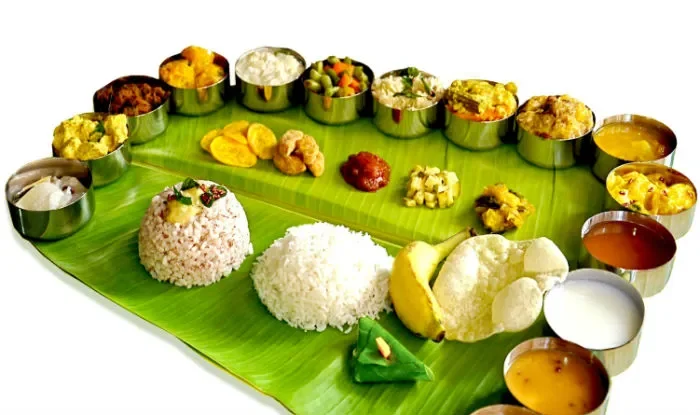
Since ancient times, the cow has been revered as holy by the Hindu people. It symbolizes wealth, strength, abundance, selfless giving, and a full, earthly life. Due to this great respect for the animal, followers of this religion and lifestyle only consume its milk in liquid, yogurt, and cheese forms – it’s part of Hindu tradition to avoid the consumption of beef as well as pork. Most Hindus get their protein through daals (lentils) and dairy.

Food plays an important role in worship, and when Hindus have religious ceremonies, they offer Prasād (usually a sweet dish) to the Gods.

Although fasting is an important part of Hinduism, more than 18 holidays on the Hindu calendar are based around feasts. Most fasting Hindus choose to live on fruit and milk, while others refrain from eating more than one meal per day. The purpose of fasting is to cleanse the body and develop a sense of discipline. Hindus believe that disciplined lives are the most productive and rewarding. Fasting was also used during earlier centuries so that available resources could be saved and shared during scarce times.


Foods to include:

  • Vegetables

  • Fruits

  • Whole grains

  • Beans

  • Dairy

  • Nuts

Foods to avoid: 

  • Meat

  • Poultry

  • Fish

  • Eggs

  • Onions

  • Garlic

  • Hot peppers

  • Pickles

Pros:

  • Connected to faith

  • Considers primary food

  • Emphasizes whole foods

Cons:

  • Some people require meat

  • Not suitable for those with dairy allergies

  • Does not allow spicy foods


Sources:

 Welcome to Sanatan Society! www.sanatansociety.org (Links to an external site.)
Hindu Dietary Practices: Feeding the Body, Mind and Soul www.minoritynurse.com (Links to an external site.)
 

Hormone Diet

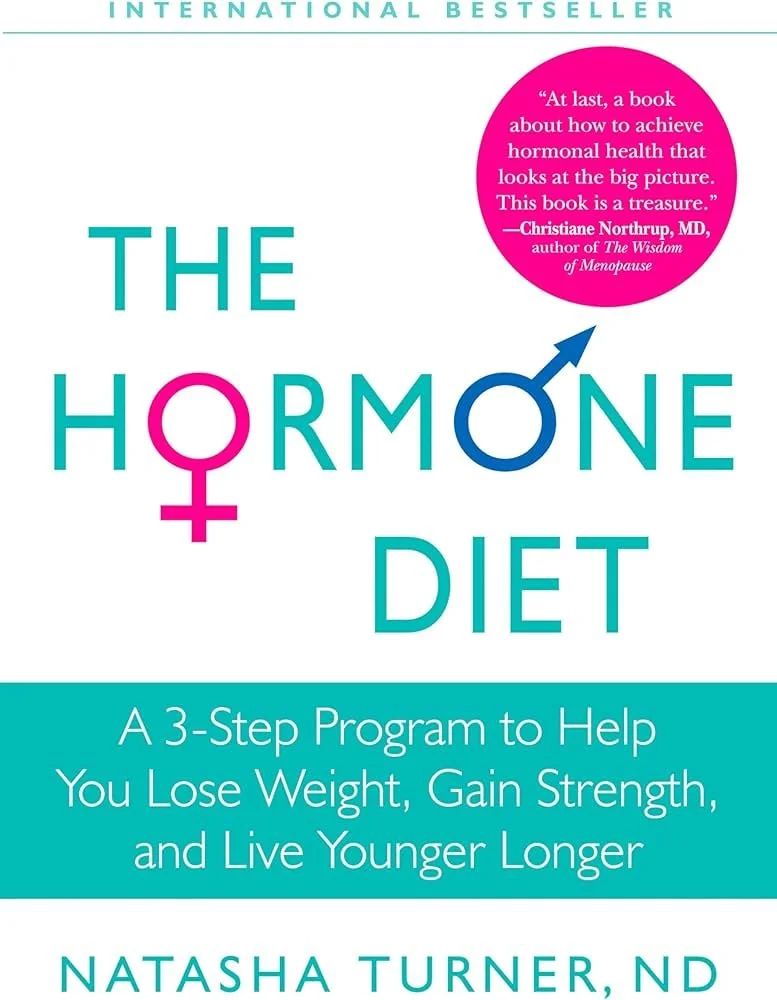
An increasing number of studies prove that hormones can be the cause of stubborn body fat, skin issues, and digestive upset. The Hormone Diet cites that weight is directly correlated to chemicals like estrogen and progesterone, and lays out a three-step, six-week program to help balance hormones, lose weight, and achieve optimal health. The plan boasts improved sleep, increased energy, and reduced stress.

The first phase of the program is a detox in which inflammatory foods are phased out. Step two involves adding these foods back in and observing any allergic reactions. The third phase emphasizes exercises like yoga, cardio, and strength training. Multiple cleansing and balancing supplements are recommended.

The diet claims to heal the endocrine system completely by replacing toxic food with pure food and rebuilding a baseline internal health.

Foods to include:

  • Organic meat

  • Most organic fish

  • Most organic fruits and vegetables

  • Gluten-free grains

  • Eggs

  • Feta or goat cheese

  • Non-dairy milk

  • Olive, avocado, flaxseed, and canola oils

  • Soy products

  • Whey protein

  • Nuts and seeds

Foods to avoid:

  • Processed meat

  • High-mercury fish

  • Farmed salmon

  • Refined grains

  • Corn

  • Citrus

  • Canned or dried fruit

  • Peanuts

  • High-fructose corn syrup

  • Refined sugar

  • Non-organic coffee

  • Trans fats

  • Saturated fat

  • Nitrites and other preservatives

  • Artificial sweeteners

Pros:

  • Varied exercise plan will keep participants interested

  • Eliminates processed foods

  • Can be sustainable once learned

  • Focuses on addressing the underlying issue instead of masking it

  • May improve energy and focus

Cons:

  • Cleansing period may be difficult for some and can lead to overeating

  • Dietary restrictions may not be sustainable for some


Sources:

Diet Review: The Hormone Diet
Dr. Natasha Turner www.drnatashaturner.com (Links to an external site.)
The Hormone Diet Recipes www.doctoroz.com (Links to an external site.)

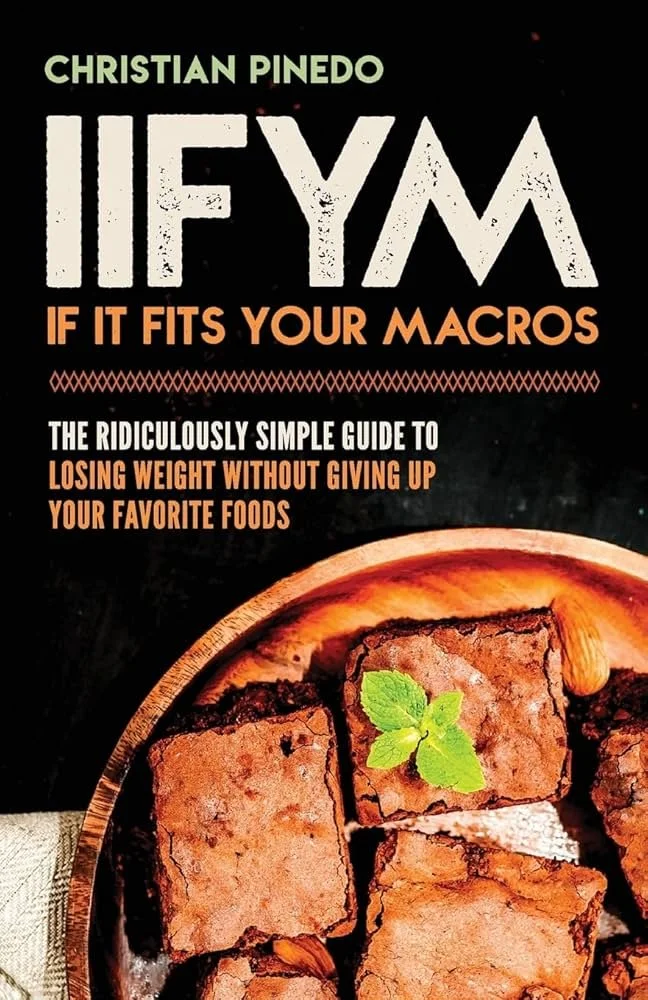
IIFYM Diet

IIFYM stands for If It Fits Your Macros, and this diet is focused on a basic, supposedly ideal ratio of protein to carbohydrates to fats.

First, participants are to calculate their daily calorie needs using a basic equation based on body weight and activity level (found online), then divide their calorie allocation so that 40% comes from carbohydrates, 40% from protein, and 20% from fat. This breakdown is thought to build muscle and support optimal health while burning fat and maintaining energy throughout the day. This diet is believed to be more effective than approaches that rule out any specific foods since it’s more flexible and based on large nutrient groups rather than specific permitted and forbidden foods. There are no foods completely off-limits on this diet, but it’s always recommended to eat as many whole, unprocessed foods as possible.

Foods to include:

  • Vegetables

  • Fruits

  • Whole grains

  • Meat

  • Poultry

  • Fish

  • Eggs

  • Beans

  • Dairy

  • Nuts and seeds

  • Healthy oils

Foods to avoid:

  • Sugar

  • Processed foods

  • Refined grains

  • Trans fats

Pros:

  • Can be a lifestyle rather than a diet

  • Wide range of nutrients and flavors

  • Less restrictive than many diets

Cons: 

  • Some may require stricter guidelines to see results

  • Might not work for those with allergies

  • May lead to heart disease

  • Encourages calorie counting, which is ineffective for some people.

Sources:

www.iifym.com 

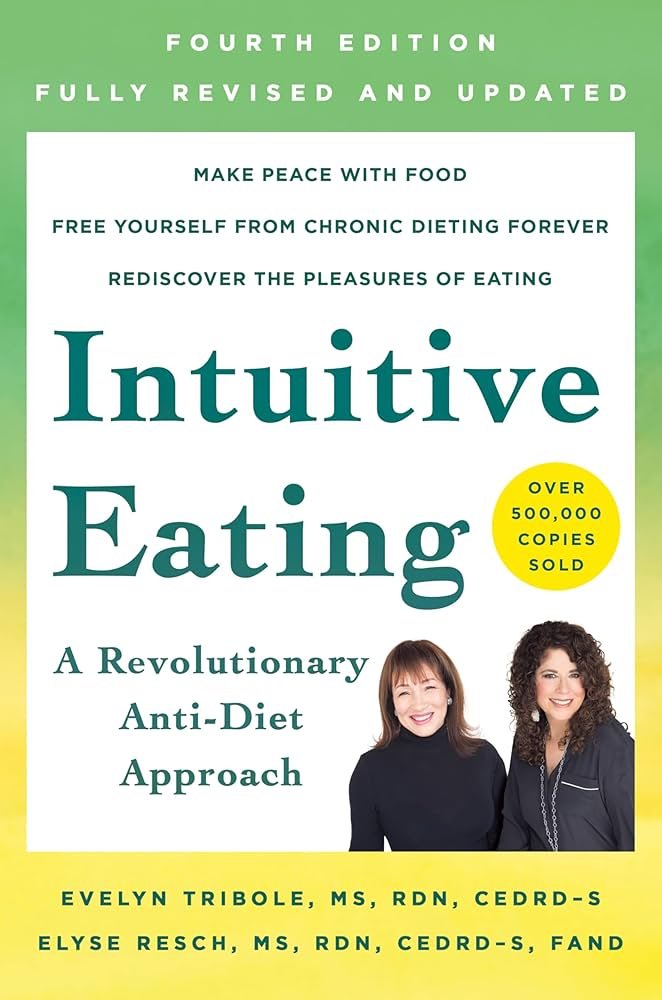
Intuitive Eating

Intuitive eating is an approach to eating that helps build a relationship between the mind and body. An intuitarian is a term that describes a person who is able to distinguish and respond to inner body cues regarding food and drink, which could be physical and/or emotional.

The intuitive eating approach was created by Evelyn Tribole, MS, RD, and Elyse Resch, MS, RD, FADA. Together they created the 10 Intuitive Eating Principles:

1. Reject Diet Laws and Trends

Ignore diet books and fads.

2. Honor Hunger

Always consume enough to fuel your body throughout the day and avoid extreme cravings and binges, which may completely derail conscious eating.

3. Make Peace

Don’t prohibit yourself from any foods since this may cause feelings of deprivation and eventually lead to overindulgence.

4. Eliminate Negativity

Work towards ridding your mind of guilt-provoking and negative thoughts when eating certain foods and take a more relaxed approach.

5. Identify Fullness

Learn to listen to your body when it tells you it’s full.

6. Discover Satisfaction

Embrace experiential food and environmental pleasures, which will allow you to slow down, feel more satisfaction, and stop eating when you’re full.

7. Unlink Emotions from Eating

Explore new ways to comfort, nurture, and resolve your issues without using food.

8. Respect Your Body

Be realistic with your body shape goals and respect your natural size. Don’t obsess over being a certain set weight or clothing size.

9. Exercise

Recognize the benefits of physical activity and movement – more energy, stamina, endurance – rather than the amount of calories you’re burning.

10. Honor Your Health

Make food choices that honor your health and taste buds.

Foods to include:

  • n/a

Foods to avoid: 

  • n/a

Pros:

  • Can be a lifestyle rather than a diet

  • Honors bio-individuality

  • Considers primary food

  • Doesn’t succumb to diet fads and marketing

Cons:

  • Some need specific food guidelines and meal plans

  • Some won’t be ready to address emotions and would prefer a diet plan

  • Some may require a more specific exercise plan

Sources:
Intuitive Eating – Evelyn Tribole, MS, RD and Elyse Resche, MS, RD, FADA http://www.intuitiveeating.org/ (Links to an external site.)

It's All Good

It’s All Good is a cookbook and dietary approach developed by Gwyneth Paltrow based on eating fresh, whole, simple, and delicious food.

Gwyneth believes in the importance of engaging all of the senses when eating for complete satisfaction, which will also prevent overeating. She believes that food is innately linked to health, and that processed food is very detrimental, including items like white flour, white rice, and even soy milk. In her personal experience, the more plant-based, whole foods she eats, the better she feels. In writing It’s All Good, she wanted to create a resource for simple, healthy recipes that taste great. It’s All Good focuses on plant-based, gluten-free, dairy-free, sugar-free recipes. The diet does not allow these items, along with processed foods, trans fats, and several other items (listed under the Foods to avoid below).

Foods to include:

  • Some vegetables

  • Fruits

  • Gluten-free whole grains

  • Poultry

  • Some fish

  • Eggs

  • Beans

  • Nuts and seeds

  • Healthy oils

Foods to avoid:

  • Gluten

  • Meat

  • Dairy

  • Soy

  • Sugar

  • Processed food

  • Trans fats

  • Coffee

  • Alcohol

  • Shellfish

  • Deepwater fish

  • Potatoes, bell peppers, eggplant, and corn

Pros:

  • Can be a lifestyle rather than a diet

  • Wide range of nutrients and flavors

  • May mitigate allergy symptoms

  • Quick weight loss in some cases

Cons:

  • Some thrive on dairy

  • May be difficult to maintain in social settings

  • Some dieters may require stricter guidelines to see results

  • May be difficult for some to give up caffeine

  • May be unnecessary for some to give up banned vegetables, such as potatoes and bell peppers

Sources: 

Gwyneth Paltrow’s It’s All Good
www.goop.com (Links to an external site.)