Japanese Women Don't Get Old or Fat

This diet is outlined in the book Japanese Women Don’t Get Old or Fat: Secrets of My Mother’s Tokyo Kitchen by Naomi Moriyama. Similar to the Okinawa Diet, it’s based on healthy Japanese staples such as fish and vegetables with an emphasis on sea vegetables, brown rice, tofu, miso, soba noodles, tea, and fruit. Beef and chicken are used as condiments rather than entrees, meaning they are used sparingly to add subtle flavor to other foods. Foods such as dairy, breads, and flours are excluded.

The premise of the diet is based on scientific research citing that Japanese women have the lowest rate of obesity in the developed world as well as the longest life expectancy on earth. Although some argue that these impressive rankings are a result of good genes, evidence shows that once Japanese women start eating unhealthy foods found in Western diets, they do gain weight and their health diminishes.

According to Naomi this is not a diet plan, but rather “a whole new way of falling in love with food.” She describes Japan as the “Food Utopia of Planet Earth,” and speaks of her mother’s kitchen with great pride and joy: “It smells like the earth, the sea and the mountains… it smells like life.” The main principles include avoiding overeating, observing the hara hachi bu rule (eating until you are only 80% full), eating lots of fresh vegetables, and a wide variety of foods. This plan also encourages followers to eat more whole grains (brown rice over white rice) and choose fruit for dessert.

Foods to include: 

  • Vegetables

  • Fruits

  • Whole grains

  • Meat, sparingly

  • Poultry, sparinglyFish

  • Eggs

  • Beans

Foods to avoid:

  • Refined grains

  • Processed foods

  • Refined sugar

  • Dairy

  • Bread

  • Flour

Pros:

  • Can be a lifestyle rather than a diet

  • Emphasizes whole foods

  • Considers primary food

Cons:

  • May be difficult for some to restrict sweets

  • May be difficult for some to restrict bread

  • Some thrive on dairy


Sources:

 Naomi Moriyama’s Japanese Women Don’t Get Old or Fat
Japanese Women Don’t Get Old or Fat: Secrets of My Mother’s Tokyo Kitchen 
www.justhungry.com 

Jenny Craig Diet

The Jenny Craig Diet was designed by the dietitians at Jenny Craig to help individuals lose weight by restricting calories, fat, and portion size. The program may be followed either at home or in-center. Dieters who choose the first option are given weekly phone consultations, while the in-center option provides in-person motivation and support at any of Jenny’s 500 locations.

Upon signing up for the diet, Jenny Craig provides you with prepackaged meals in strict portion sizes. These meals are low in sodium, cholesterol, sugar, and saturated fat. They incorporate vegetables, whole grains, reduced-fat milk products, healthy fats, lean meats, poultry, fish, beans, eggs, and nuts.

No foods are forbidden on this plan. In fact, occasional splurges are built in. However, moderation is key. The program addresses more than just what to eat – it also covers portion control, behavioral attitudes toward food, emotional issues, and how to gain more energy through simple exercises.

Menu items include Jenny’s Florentine Breakfast Pizzas, chicken teriyaki with vegetables and brown rice, white cheddar popcorn, beef chili with beans, and pumpkin spice cakes.

Foods to include:

  • n/a

Foods to avoid:

  • n/a

Pros:

  • Prepackaged foods make it easy to control portion size

  • Plans are individualized to meet specific needs

  • One-on-one counseling helps dieters stay on track

  • Food may be ordered online

  • Encourages gradual, healthy weight loss

  • Considers primary food

Cons:

  • Does not accommodate most food allergies

  • May be difficult to stick to in social situations

  • May be difficult to maintain weight loss after transitioning back to “normal” foods

  • Food is not whole and/or organic

  • Portions are small

Sources:

 How it Works-Details www.jennycraig.com (Links to an external site.)
The Jenny Craig Weight Loss Program www.webmd.com (Links to an external site.)


Juice Cleanses

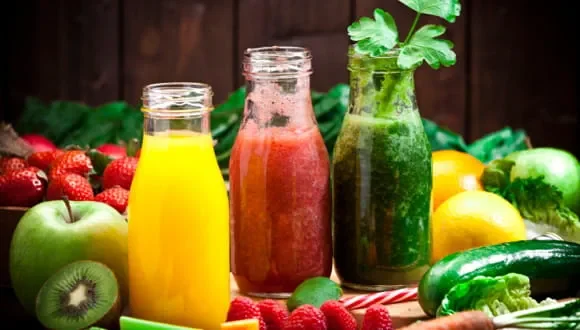
The terms “cleanse” and “detox” are often used in relation to health. To cleanse the body is to remove toxic environmental and dietary substances through a specific regimen. Programs that fall into this category include candida cleanses, liver cleanses, and colon cleanses among many other juice and/or food-based cleanses.

Research shows we ingest chemicals through the food we eat, the water we drink, and the air we breathe. The main reason to go on a cleansing program is to rid the body of these chemicals then build it up to optimal levels with nutrient-dense foods. Juice cleanses can range from 3-7 days or more. It’s recommended that you slowly ease into and out of your cleanse by transitioning to a mostly raw foods diet in the few days leading up to and following the cleanse. It’s important to eliminate caffeine and alcohol and eat clean. After a few days post-cleanse, you can ease back into the sustainable diet that works for you by integrating dairy, meat, and carbohydrates last (if applicable to your diet).

Toxins are deposited into our fat cells, producing excess buildup that our bodies cannot naturally eliminate on their own. This compromises our immune system and causing illnesses, hormonal imbalances, and nutritional deficiencies. Cleansing is used to purge the body of these undesirable chemicals and buildup. Some cleanse providers recommend colonics, sauna sessions, massages, and other complementary cleansing therapies throughout your juice cleanse. Depending on your individual type, you may want to incorporate some or all of these tools to get the most out of your detox.

We cleanse to rid ourselves of these toxins, give our digestive systems a rest, and rejuvenate our bodies. Goals include weight loss, improved skin, better digestion, improved mental clarity, healthier hair and nails, and much more. Cleansing programs work to strengthen the immune system by looking at food as fuel for internal organs.

Foods to include:

  • Fresh fruit and vegetable juices

  • Smoothies

  • Raw vegetables in moderation (if necessary)

  • Herbal teas

  • Green tea in moderation (if necessary)

  • Lots of water

Foods to avoid:

  • Vegetables

  • Fruits

  • Grains

  • Meat

  • Poultry

  • Fish

  • Eggs

  • Beans

  • Dairy

  • Nuts and seeds

  • Oils

  • Sugar

  • Processed food

Pros:

  • Quick weight loss in some cases

  • Promotes elimination of toxins that weaken the body’s natural detoxification systems

  • May help people quit smoking and/or drinking caffeine

  • Can be a lifestyle rather than a diet

  • Can clear skin, boost your immune system, and increase energy

Cons:

  • Cleanses must be done with caution – they may stress the internal organs and cause nutrient deficiencies

  • Extreme cleansing diets can be addictive

  • Detox regimens are intended for short-term use and are not necessarily a lifestyle change

  • Participants may quickly gain back water weight after cleanses

  • May be hard for some to give up solid food

  • May lead to binges

  • Could cause stomach distress in some depending on pre- and post-cleanse diet


Sources:

Detoxify www.drnatura.com 
General Detoxification and Cleansing www.healthy.net 
Clean www.cleanprogram.com
About Body Cleanse, Detox Diet, Austin Wellness & Nutrition www.youtube.com 
Oprah’s Blog www.oprah.com (Links to an external site.)
Remove Toxins from Your Body to Lose Weight and Feel Healthier www.youtube.com
Just Cleansing www.justcleansing.com

Ketogenic Diet

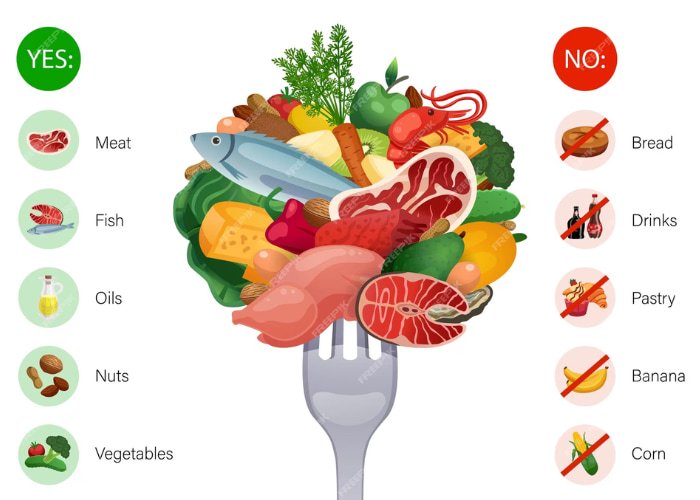
The Ketogenic Diet, dating back to the 1920s, was created to help control epileptic seizures in individuals who do not respond to medication. The diet is based on the process of ketosis, in which the body uses ketones for fuel instead of glucose. Ketones are a byproduct of fat metabolism that are utilized in times of starvation, carbohydrate restriction, or excessive exercise. For the body to reach a state of ketosis, calorie intake must be limited and comprised of 80% fat. The remaining calories should come from low-carb vegetables and protein.

Once ketosis begins (usually within a few days of implementing the diet) insulin levels drop, causing the pancreas to start producing glucagon. Glucagon determines the rate at which ketones are produced and sends the body into fat-burning mode, which is why the diet has gained recognition as a means for weight loss.

The diet is customized to individual needs and is usually maintained for extended periods of time. It’s advised that the first day and night be a period of fasting, and that the diet be gradually introduced over a couple of days so that the body has time to adjust. Each meal is carefully measured, including fluids, and a daily multi-vitamin and mineral supplement are imperative.

Potential side effects include dehydration, constipation, vomiting, high cholesterol, kidney stones, behavior changes, slower growth rates in children, pancreatitis, excess fat in the blood, and vitamin and mineral deficiencies. As a result, individuals on this diet should be closely monitored by an experienced team of practitioners.

The Ketogenic Diet is primarily recommended for children with epilepsy as there have been numerous studies showing a reduction in seizure rates. It’s shown to be more successful for children than adults because parents are able to carefully supervise food intake. This approach does not work unless it is followed exactly.


Foods to include:

  • Low-carb vegetables

  • Low-carb fruits

  • Meat

  • Poultry

  • Fish

  • Eggs

  • Dairy

  • Nuts and seeds

  • Healthy oils

Foods to avoid:

  • High-carb vegetables

  • High-carb fruits

  • Grains

  • Beans

  • Sugar

  • Trans fats

  • Processed food

Pros:

  • May prevent or lessen the frequency of seizures

  • May alleviate epilepsy

  • Restricts sugar intake

  • Quick weight loss in some cases

Cons:

  • Not safe for people who do not exercise because ketones need to be released as energy

  • May cause extreme fatigue during first two weeks

  • Bad breath and metallic taste is likely to occur

  • Difficult to maintain for extended periods of time

  • Nutrient deficiencies common


Sources:

Ketogenic Diet for Epilepsy www.webmd.com (Links to an external site.)
The Johns Hopkins Ketogenic Diet Fact Sheet www.home.iprimus.com (Links to an external site.)
Ketogenic Diets www.diet.com (Links to an external site.)

Kind Diet

The Kind Diet is an eating approach created by Alicia Silverstone based on veganism. Her approach suggests this way of eating will help improve energy, health, and physical appearance.

This diet excludes all animal products, including meat, eggs, fish, and dairy. Alicia thinks of this approach as a lifestyle rather than a diet, but firmly asserts that it will help you lose weight if that’s your goal. In her book, The Kind Diet, she also includes a Superhero phase, which bans all packaged and processed foods and leans toward a more macrobiotic approach. She says that this improves the likelihood of weight loss.

Alicia recommends whole and in-season foods including whole grains, vegetables, and beans. Followers are encouraged to minimize fruit and desserts and to be conscious of the type of sweetener used in such items. She encourages followers to opt for brown rice syrup or maple syrup and avoid honey, white sugar, and cane products of any sort.

She calls the first phase of her approach Flirting, where she guides followers to slowly transition into a vegan diet. The second phase, Going Vegan, is where devotees commit to a full-time vegan lifestyle. In the third phase, Superhero, she teaches to mainly eat unprocessed plant-based foods, and limit fruit, nuts, sweets, and nightshade vegetables (tomatoes, potatoes, eggplants, and peppers). In addition, she recommends minimizing alcohol, caffeine, and tea, as the increase in energy from eating plant-based replaces the need for stimulants.

Foods to include:

  • Most vegetables

  • Some fruits

  • Whole grains

  • Beans

  • Nuts and seeds

  • Healthy oils

Foods to avoid: 

  • Nightshade vegetables

  • All animal products

  • Processed foods

  • Refined grains

  • Sugar

  • Trans fats

  • Caffeine

  • Alcohol

Pros:

  • May lower risk of heart disease and diabetes

  • Emphasizes whole foods

  • Quick weight loss in some cases

  • Can be a lifestyle rather than a diet

  • Wide range of nutrients and flavors

Cons:

  • Does not honor bio-individuality

  • Some thrive on animal protein and/or dairy

  • Anemia is common in vegans

  • May lead to extreme, unwanted weight loss

  • May cause weight gain for some

Sources:

Alicia Silverstone and Victoria Pearson’s The Kind Diet