Korean Temple Cuisine

Korean Temple Cuisine is a monastic diet that was created over 1,600 years ago in the Buddhist temples of Korea.
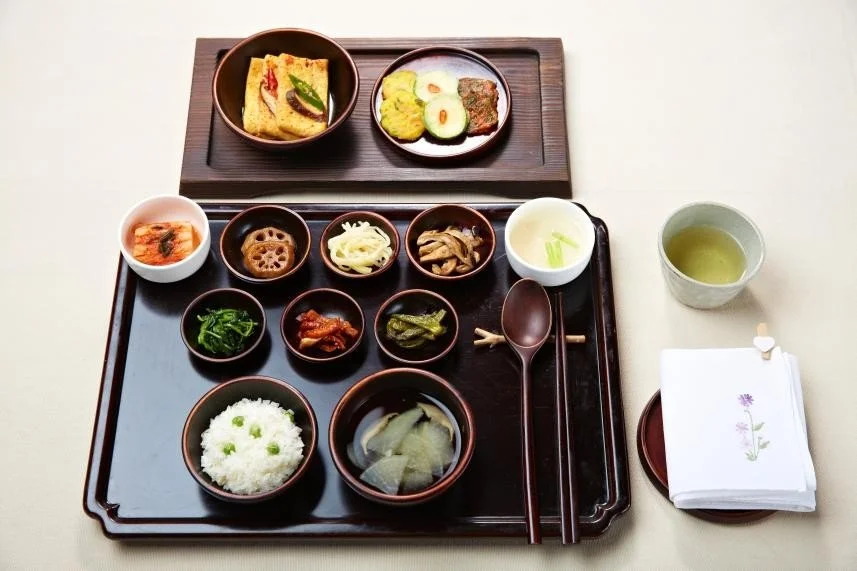
This diet excludes meat, fish, and MSG as well as onion, garlic, and leeks. Examples of common dishes include greens, tofu, mushroom fritters, radishes, eggplant, clear soups, and rice. Fermented food is a large part of this diet, and many different foods are often fermented in ceramic jars. Thirty different sauces are made from fermented soybeans alone. All eating utensils are made of wood to avoid metal toxins.

People from different countries visit monasteries to detox by following this diet. Guests wake up early, meditate, and eat the cuisine throughout their visit. Followers believe that food makes up every part of the body, including the mind. Food is prepared with a lot of love and in a meditative state. The primary goal of this diet is to calm and focus the mind by cleansing the body.


Foods to include:

  • Some vegetables

  • Fruits

  • Whole grains

  • Eggs

  • Beans

  • Some dairy

  • Nuts and seeds

  • Healthy oils

Foods to avoid:

  • Sugar

  • Processed foods

  • Refined grains

  • Trans fats

  • Meat

  • Poultry

  • Fish

  • Dairy

  • MSG

  • Onions, garlic, leeks

Pros:

  • Considers primary food

  • Can be a lifestyle rather than a diet

  • May lead to weight loss

  • May reduce stress and anxiety

Cons:

  • Some people thrive on eating meat

  • May be too restrictive and lead to binges

  • May lack structure for those looking to lose weight

Sources:

Buddhist Diet For A Clear Mind: Nuns Preserve Art Of Korean Temple Food www.npr.org 
L.A. Shape Diet

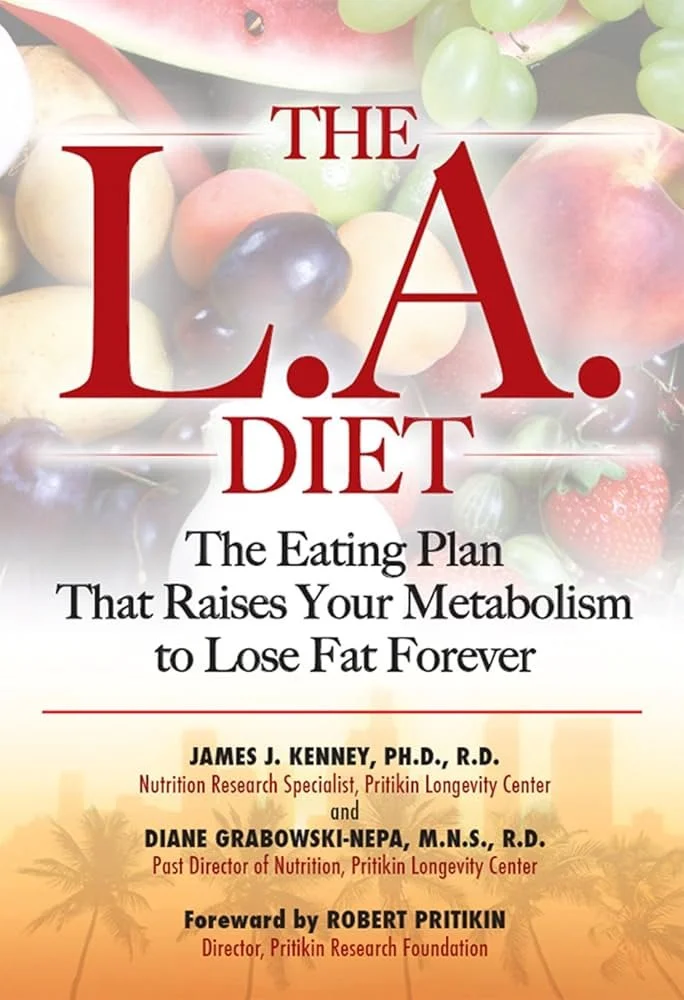
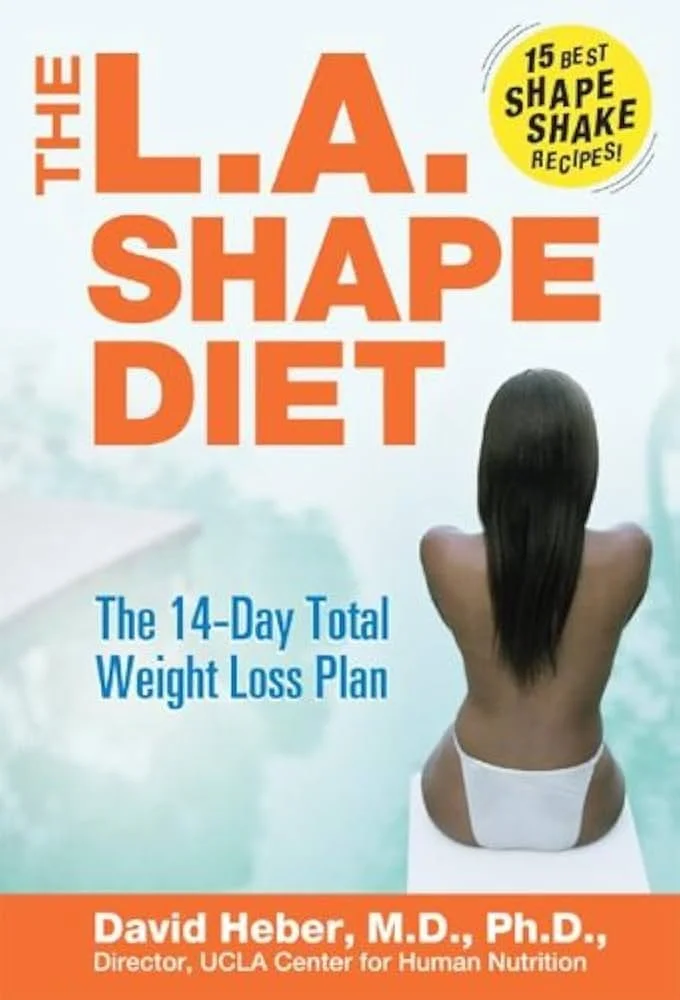
The L.A. Shape Diet is a 14-day plan created by David Herber, MD, PhD, founding director of UCLA’s Center for Human Nutrition. This diet is a high-protein approach with a focus on body shape and fat percentage rather than weight. According to Dr. Herber, people are either apple-shaped or pear-shaped.

The abundance of protein in the diet is meant to keep dieters satiated. Dr. Herber recommends consuming high-protein shakes once or twice a day in addition to eating healthy carbohydrates and small amounts of fat. Exercise, positive behavior, and food choices are also essential components of this regimen.

The first phase of the diet includes a high-protein shake for breakfast and lunch, followed by a dinner of lean meat or fish, unprocessed carbohydrates, vegetables, and fruit. The recommended portions are 3-6 ounces of lean meat or fish, 2 cups of cooked vegetables, and 4 cups of salad dressed with vinegar. A reasonable portion of fruit serves as dessert.

In the second phase, the shakes are cut down to one at breakfast, followed by a light lunch, and dinner. Both lunch and dinner should be filled with vegetables, fruit, lean meat, and fiber. During this phase, dieters must eat seven servings of fruits and vegetables daily and 25 grams of fiber. The diet is ultimately composed of 29% protein, 20% fat, and approximately 51% “good” carbohydrates.

Supplements such as green tea extract, herbs, and antioxidants are strongly encouraged. There are no “off limits” foods; however, Dr. Herber recommends reducing certain foods and eliminating any foods from the diet that may trigger binging. He guides participants to identify their trigger foods so that they are in control and do not end up overeating. He also teaches confidence-building skills and relaxation techniques so that dieters avoid self-sabotage.

Foods to include:

  • Lean meat

  • Fish

  • Whole grains

  • Vegetables

  • Fruits

  • Smoothies

Foods to avoid:

  • High-fat meat

  • Full-fat dairy

  • Refined grains

  • Refined sugar

  • All processed foods

  • Any personal trigger foods

Pros:

  • Encourages whole foods

  • Eliminates processed foods

  • Considers primary food

  • Honors bio-individuality to some extent

Cons:

  • Some may be averse to meat

  • Not everyone will want to replace meals with smoothies

  • Some thrive on full-fat dairy and meat


Sources:

David Heber’s The L.A. Shape Diet: The 14-Day Total Weight Loss Plan
The L.A. Shape Diet
www.abcnews.com
The L.A. Shape Diet www.health.com 

LA Weight Loss

The LA Weight Loss approach was founded by Vahan Karian in 1989 and is now a franchise business. LA Weight Loss is a system that combines private visits with a nutritional counselor at an LA Weight Loss center with portion control and a 3-step program.

Phase 1: Weight Loss

This phase includes a customized meal plan and target goals. Members meet with counselors three times per week for as many weeks as it takes to meet their weight loss goals. Calories are very restricted during this phase and exercise plays a crucial role.

Phase 2: Stabilization

This 6-week phase is intended to keep members at their goal weight. Dieters are monitored by counselors twice per week and are given tips on how to stabilize their weight.

Phase 3: Maintenance

During this phase, which may be continued indefinitely, counselors meet with members once a week to support them in managing their weight for life. The diet consists of balanced meals with 50-55% carbohydrates, 25-30% protein, and 20-25% fat. There is no counting calories or fat grams; however, there is strict portion control. The diet is flexible and allows for grocery store food as well as LA Weight Loss packaged foods. The meal plans are based on a 1,200 - 2,400 calorie diet. The nutritional counselors at the centers are former clients of LA Weight Loss who have been trained by the company dietitians to support new clients. The nutritional counselors have access to registered dietitians.


Foods to include:

  • Carbohydrates

  • Dairy

  • Chicken

  • Turkey

  • Fish

  • Eggs

  • Vegetables

  • Fruit

  • Desserts

Foods to avoid:

  • Anything in excess of above recommended portions

Pros:

  • Flexible in terms of food choices

  • Honors bio-individuality

  • Low-calorie approach may lead to quick weight loss

Cons:

  • Doesn’t emphasize whole foods

  • Food spectrum may be too broad for some

  • Low-calorie approach may lead to hunger and binging

  • Packaged, branded foods may be over-priced and highly processed

Sources:

The LA Weight Loss System www.laweightloss.com
LA Weight Loss Diet www.health.com 

Lacto-Ovo Vegetarian

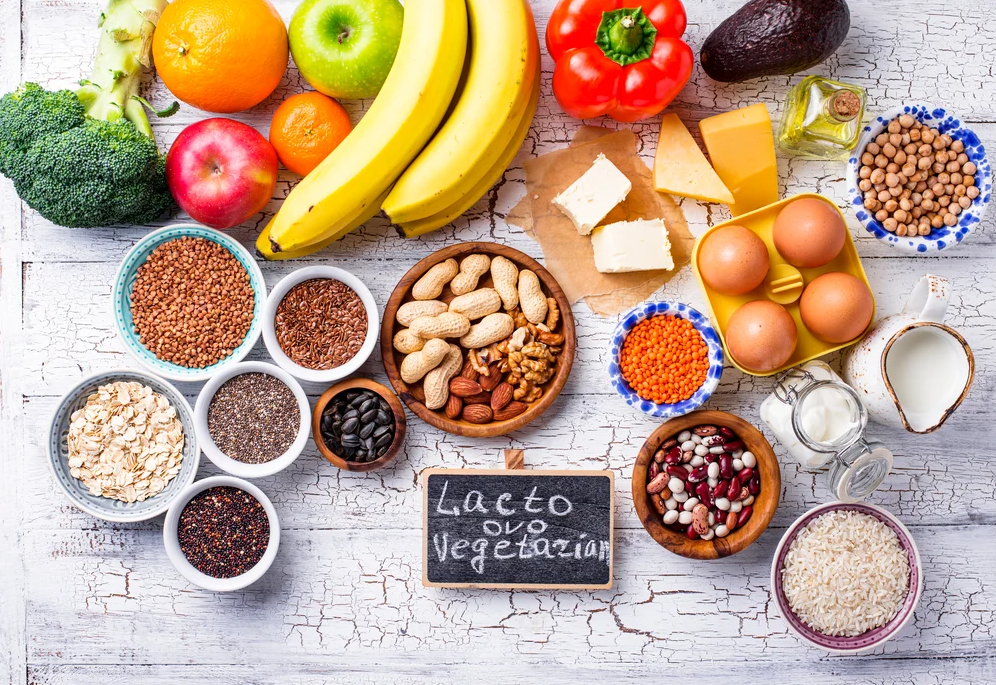
A lacto-ovo vegetarian is someone who does not include meat or fish, but does include eggs and milk products. In Latin, “lacto” means milk, and “ovo” means egg. In the Western world, a lacto-ovo vegetarian diet is the most common type of vegetarian diet. Lacto-vegetarians do not eat eggs, but will eat dairy products.

Some people adhere to this type of diet because of the health benefits associated with the reduced consumption of meat products, while others choose it because of concerns ranging from factory farming issues to environmental and ethical issues. Most people in the Western world eat meat at every meal. Some studies have shown that people who consume little or no meat endure healthier life spans than those who consume meat regularly.

Lacto-ovo vegetarian and lacto-vegetarian diets have been recommended for people who suffer from heart disease, cancer, diabetes, kidney stones, depression, and many other ailments. When any category of food is removed from one’s diet, it’s important to ensure that the body receives adequate vitamins and minerals from other sources. When meat is removed from the diet, the body may become deficient in vitamin A, B12, D, calcium, iron, and zinc. Supplements may be taken to help prevent vitamin and mineral depletion. Sunlight is also a great source of vitamin D. Some of the oldest religions advocate a lacto-ovo vegetarian diet for physical and spiritual reasons. Seventh Day Adventists make up a large percentage of lacto-ovo vegetarians.

Foods to include:

  • Fruits

  • Vegetables

  • Grains

  • Pasta

  • Dairy

  • Eggs

  • Beans

  • Nuts

  • Seeds

Foods to avoid:

  • Meat

  • Fish

Pros: 

  • Generally a whole foods approach

  • May reduce cholesterol levels in some

  • May lead to weight loss

  • Honors bio-individuality to some extent

  • Honors primary food

Cons:

  • Some may not do well with dairy and eggs

  • Some may thrive on meat

  • Approach may be too broad for some, leading to unhealthy choices and processed foods, as long as they are “lacto-ovo vegetarian”

Sources:

Vegetarian Diet  www.mayoclinic.org
How to be a Lacto-Ovo Vegetarian www.thenest

Lacto-Vegetarian

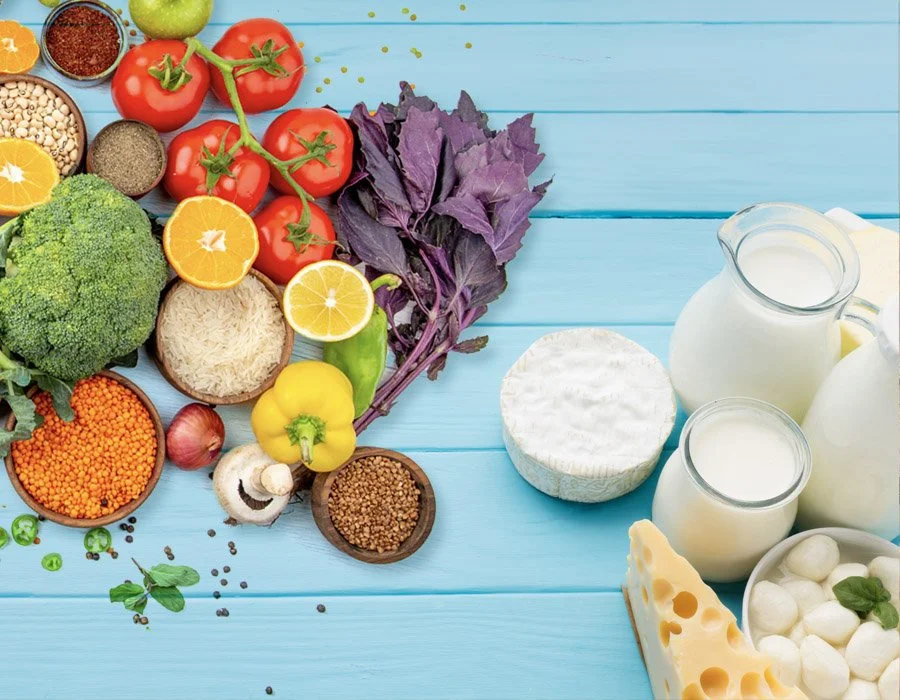
A vegetarian is defined as an individual who does not consume meat. However, some vegetarians may choose to consume dairy products, such as milk and cheese, and call themselves “lacto-vegetarians.” A lacto-vegetarian does not eat meat, fish, poultry, or eggs, but includes dairy products such as milk, cheese, yogurt, butter, and cream. The prefix "lacto" comes from the Latin word for milk. 

Those who wish to lower their cholesterol levels, and believe that removing meat and egg yolks will help them achieve this, may adopt this diet. Others protest cruelty in the meat industry and choose not to eat eggs. Lacto-vegetarian diets are popular among followers of Eastern religions such as Hinduism, Jainism, Buddhism, and Sikhism. These religious traditions encourage lacto-vegetarian diets because dairy products come from animal output rather than from taking an animal’s life (when animals are killed for sustenance).

Foods to include:

  • Fruits

  • Vegetables

  • Grains

  • Pasta

  • Dairy

  • Beans

  • Nuts

  • Seeds

Foods to avoid:

  • Meat

  • Fish

  • Eggs

Pros: 

  • Generally a whole foods approach

  • May reduce cholesterol levels in some

  • May lead to weight loss

  • Honors bio-individuality to some extent

  • Honors primary food

Cons: 

  • Some may not do well with dairy

  • Some may thrive on meat

  • Approach may be too broad for some, leading to unhealthy choices and processed food, as long as they are “lacto-vegetarian”

Sources: 

Vegetarian Types www.vegetarian-restaurants.net
Frequently Asked Questions – Definitions www.ivu.org
What is a Lacto Vegetarian Diet? www.vegetariannook.com