
Korean Temple Cuisine is a monastic diet that was created over 1,600 years ago in the Buddhist temples of Korea.
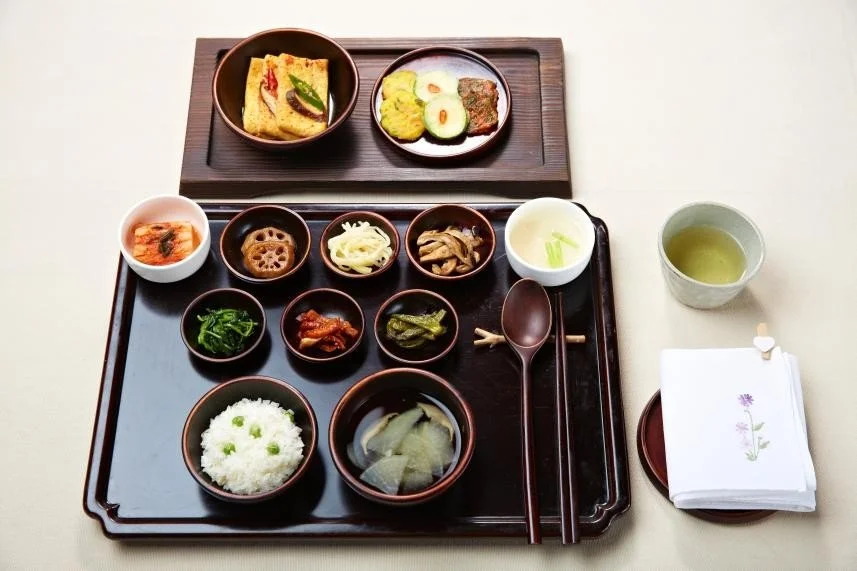
This diet excludes meat, fish, and MSG as well as onion, garlic, and leeks. Examples of common dishes include greens, tofu, mushroom fritters, radishes, eggplant, clear soups, and rice. Fermented food is a large part of this diet, and many different foods are often fermented in ceramic jars. Thirty different sauces are made from fermented soybeans alone. All eating utensils are made of wood to avoid metal toxins.
People from different countries visit monasteries to detox by following this diet. Guests wake up early, meditate, and eat the cuisine throughout their visit. Followers believe that food makes up every part of the body, including the mind. Food is prepared with a lot of love and in a meditative state. The primary goal of this diet is to calm and focus the mind by cleansing the body.
Foods to include:
Some vegetables
Fruits
Whole grains
Eggs
Beans
Some dairy
Nuts and seeds
Healthy oils
Foods to avoid:
Sugar
Processed foods
Refined grains
Trans fats
Meat
Poultry
Fish
Dairy
MSG
Onions, garlic, leeks
Pros:
Considers primary food
Can be a lifestyle rather than a diet
May lead to weight loss
May reduce stress and anxiety
Cons:
Some people thrive on eating meat
May be too restrictive and lead to binges
May lack structure for those looking to lose weight
Sources:
Buddhist Diet For A Clear Mind: Nuns Preserve Art Of Korean Temple Food www.npr.org