Lean Belly Diet

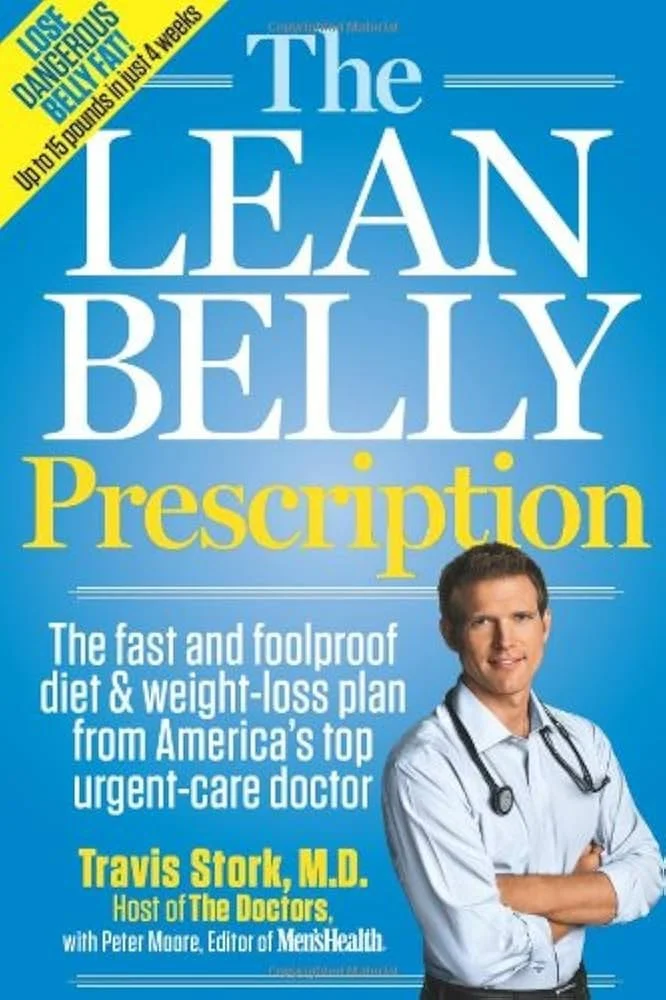
The Lean Belly Prescription: The fast and foolproof diet and weight-loss plan from America's top urgent-care doctor was created by well-known Travis Stork, MD, along with editor of Men’s Magazine – Peter Moore. Together these two men created a 6-week diet plan that boasts eating the foods you love while losing pounds by adhering to simple Lean Belly laws each day.
Examples of lean belly laws:

  • 3 servings of calcium-rich foods per day

  • Switch all refined carbohydrates with whole grains

  • 8 ounces of water per day

  • choose 2 fruits to consume per day - along with at least 3 servings of vegetables per day

  • eat a breakfast rich in protein


The exercise component promoted in The Lean Belly Prescription is non-exercise activity thermogenesis, more commonly referred to as NEAT. In other words, you don’t have to run miles or join a gym to burn calories. NEAT refers to daily activities such as mowing the lawn, or walking the dog – something that has you moving, but doesn’t necessarily mean lifting weights or running on a treadmill.

Foods to increase:

  • Whole grains

  • Vegetables

  • Fruit

  • Low-fat meat (optional)

  • Beans

Foods to reduce:

  • Refined carbohydrates

  • Trans-fats

Pros:

  • Allows dieters to make small changes to diet that they may find easier to adhere to

  • Promotes whole grains and dark, leafy greens

  • Discusses the benefits of achieving healthy weight and lowering risk of associated conditions and diseases

  • Promotes long term lifestyle changes rather than quick-fixed to drop pounds

  • Suggests tips on how to incorporate exercises that are easier for beginners

Cons:

  • Book claims you can continue eating desserts and foods you love - rather than give potentially healthier suggestions

Sources:

Travis Stork's Lean Belly Prescription
Non-Exercise Activity Thermogenesis Shapefit.com 
Living Foods Diet

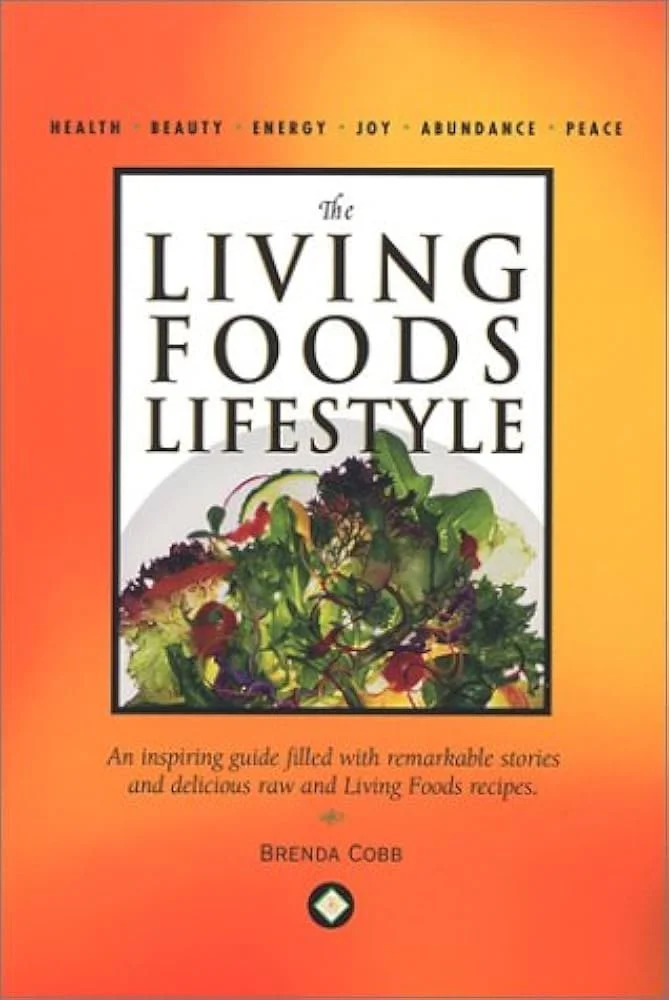
The Living Foods Diet, similar to raw food diets, may be one of the oldest eating styles around. The belief behind this theory is that foods only retain their enzymes when they are in their raw and natural states, never heated above 116 degrees Fahrenheit. Enzymes are important because they aid in the digestion and absorption of nutrients, vitamins, and minerals. 

On a living food diet, there are no processed foods of any kind – only foods in their original, unheated states are permitted. Fresh fruit and vegetable juices, along with purified water and coconut milk, are the primary drinks consumed. Fruits and vegetables make up the majority of this diet; however, nuts and seeds are also eaten. Though far less common, some choose to eat raw meat and raw dairy products.

Some may find this diet overly restrictive, while others may experience significant weight loss, an increase in energy, and a positive shift in vibrancy and mood. An attention to vitamins and minerals is imperative with this diet, especially vitamin B12. Adequate amounts of protein should also be consumed in the form of nuts, seeds, and raw protein powder. Followers may require supplementation to meet their necessary vitamin and mineral quantities.

Foods to include:

  • Fruits

  • Vegetables

  • Nuts

  • Seeds

  • Raw meat (optional)

  • Raw dairy (optional)

Foods to avoid:

  • All foods heated above 116 degrees Fahrenheit

  • Processed foods

Pros:

  • May lead to weight loss

  • May increase energy

  • May become a lifestyle approach

Cons:

  • Anemia is common

  • Vitamin and mineral deficiencies may occur

  • Excessive and undesirable weight loss may occur

  • Some may require cooked foods for energy and health

  • May be hard to maintain in social situations and when traveling


Sources: 

Welcome to Living and Raw Foods! www.living-foods.com
What is Raw & Living Food? www.alissacohen.com

Low FODMAP Diet

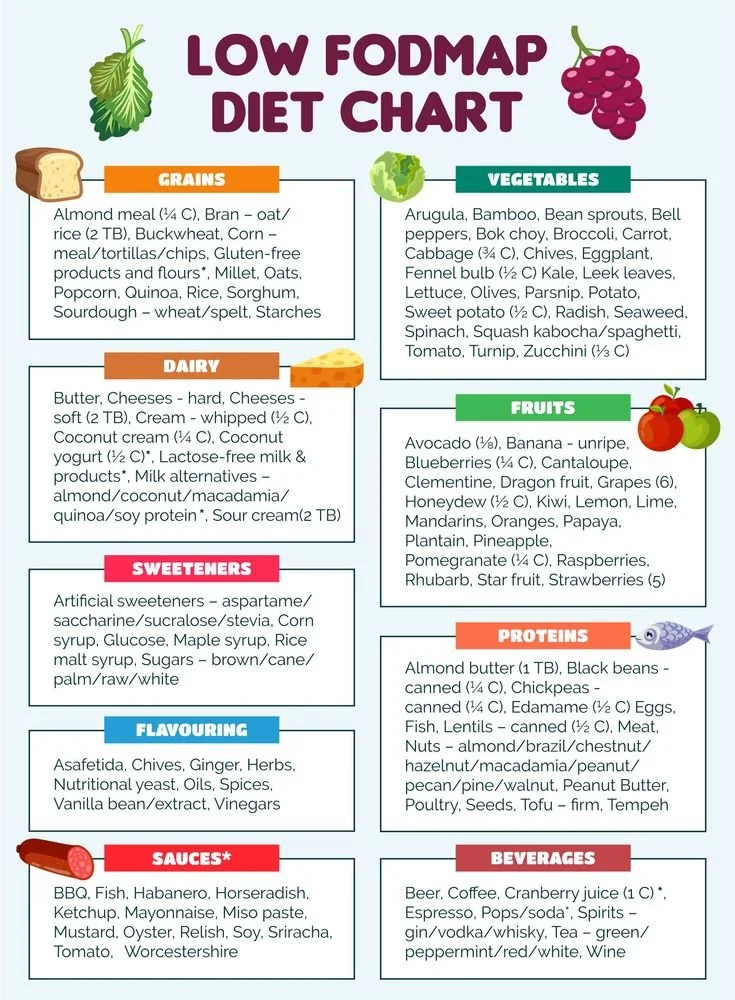
The Low FODMAP Diet was created for people with trouble digesting certain short-chain carbohydrates.

FODMAPs stands for Fermentable Oligosaccharides, Disaccharides, Monosaccharides, and Polyols. All of these terms represent different types of sugars and starches or short-chain carbohydrates. Foods like wheat, dairy, ice cream, beans, and even apples are high in these sugars and starches, and many people have trouble digesting them. Common side effects include gas, constipation, and bloating. Therefore, these people are advised to go on a low FODMAPs diet. Essentially, The Low FODMAP Diet limits lactose, fructose, fructans, galactans, and polyols. It is often used to treat IBS and similar conditions.


Foods to include:

  • Most vegetables

  • Some fruits

  • Gluten-free grains

  • Meat

  • Poultry

  • Fish

  • Eggs

  • Lactose-free dairy

  • Nuts and seeds

  • Healthy oils

Foods to avoid:

  • Artichokes, cauliflower, mushrooms, sugar snap peas

  • Apples, apricots, blackberries, boysenberries, dates, figs, guava, mangoes, nectarines, papaya, peaches, pears, plums, persimmons, prunes, watermelon

  • Dried and canned fruit

  • Gluten-containing grains

  • Beans

  • Lactose-containing dairy

  • Trans fats

  • Saturated fats

  • Sugar

  • Refined grains

  • Processed foods

Pros:

  • Can be a lifestyle rather than a diet

  • May alleviate IBS

  • May lead to weight loss

  • May lead to increased energy

Cons:

  • Not a quick fix – takes time and dedication

  • May be too specific to follow long-term

  • Difficult to eat in restaurants or social situations 

Sources:

The Low FODMAP Diet www.stanfordhealthcare.org

Low-Carbohydrate Diet

Low-carbohydrate diets limit grains, bread, pasta, white rice, baked goods, and soda. While carbohydrates are a major fuel source for the body and a necessary part of a balanced diet for some people, extra carbohydrates that are not used for energy are stored as fat. Therefore, consuming more carbohydrates than the body is able to metabolize will lead to weight gain.

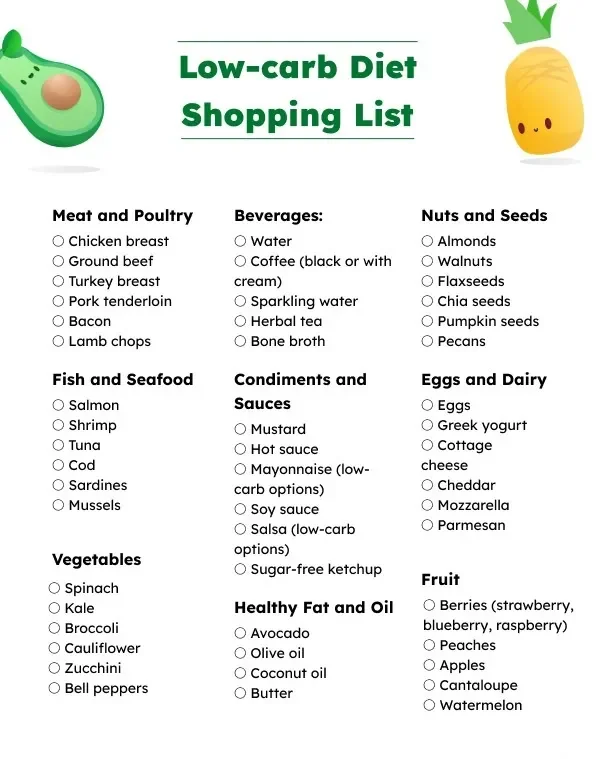
Low-carbohydrate diets focus predominantly on healthy sources of protein and fat such as meat, poultry, dairy, eggs, and non-starchy fruits and vegetables. Generally, grains, beans, starchy fruits and vegetables, bread, sweets, and pasta are limited or excluded. This style of eating often leads to weight loss – first in the form of quickly-lost water weight – reduced appetite, reduced calorie consumption, and an increase in satiety for some.

Foods to include:

  • Meat

  • Fish

  • Eggs

  • Low-starch vegetables

  • Low-starch fruits

  • Dairy

  • Nuts

  • Seeds

  • Oils

Foods to avoid:

  • Bread

  • Pasta

  • Rice

  • Barley

  • Beans

  • Starchy desserts

  • Processed foods

  • Refined sugar

Pros: 

  • May jump-start weight loss

  • Promotes whole foods

  • May become a lifestyle approach

  • Includes healthy fats

Cons:

  • Some thrive on carbs

  • Restricted carb intake may lead to cravings and binges

  • May be hard for some to avoid carbohydrates

Sources:

Low-carb diet: Can it help you lose weight? www.mayoclinic.com 
Low Carb Foods www.lowcarbfoods.org 

Low-Cholesterol Diet

A low cholesterol diet is an eating plan to help prevent the buildup of excessive cholesterol in the coronary arteries, as some believe this may restrict blood flow and lead to a heart attack or stroke. According to this diet, consuming low cholesterol foods that are rich in healthy fats, such as vegetable oils and fish, and low in sodium, such as saturated fats and trans-fats, will improve overall heart health.

To help lower blood cholesterol, it is recommended that lean meat, skinless poultry, fish, and shellfish are eaten only occasionally – 5 oz a day or less.

Foods to include:

  • Fruits

  • Vegetables

  • Whole grains

  • Dry cereals

  • Lean meat

  • Skinless poultry

  • Fish

  • Egg whites

  • Fat-free or 1% milk

  • Fat-free, reduced fat, or low-fat cheeses

  • Canola, corn, olive, peanut, safflower, sesame, and sunflower oils

  • Margarine

  • Fat-free or light salad dressings

  • Mayonnaise

Foods to avoid:

  • White bread

  • High-fat granola

  • Muesli

  • Cereals made with coconut oils and nuts

  • Baked desserts

  • Egg yolks

  • Butter

  • Lard

  • Solid shortenings

Pros:

  • May reduce cholesterol levels

  • May become lifestyle approach for some

Cons:

  • Will be hard for some to avoid egg yolks and meat

  • May be a misconception that certain types of cholesterol found in food increase cholesterol blood levels

Sources:

Low Cholesterol Diet www.gicare.com
9 Food Tips to Lower Cholesterol www.webmd.com