Low-Fat Diet

A low-fat diet is comprised of 50-55% of calories from carbohydrates, 20-25% from protein, and 30-35% from fat. This approach is low in saturated fat and cholesterol – saturated fat should comprise less than 10% of calories from fat. A low-fat diet may help reduce the risk of heart disease, diabetes, and other major health conditions.
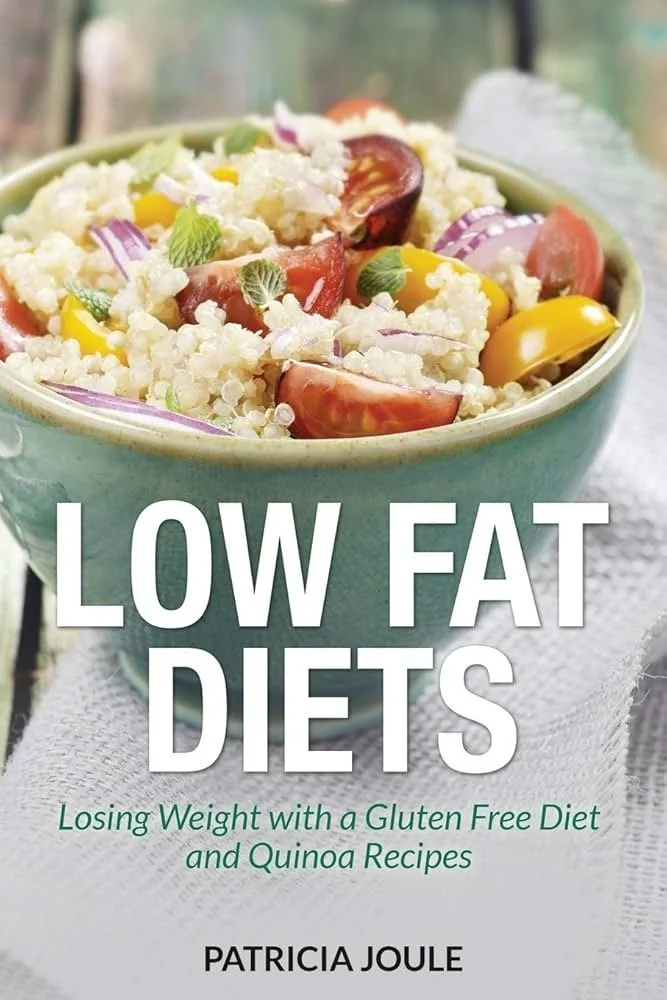
Protein and carbohydrates contain four calories per gram, whereas fat contains nine calories per gram. Thus, when fat is reduced, calorie consumption is decreased. The exception is when foods are highly processed with added sugars – then they may contain equal or greater calories per gram than fat. If you are following this approach, when ordering from restaurants request that no butter be added, go light on the gravy, and order low-fat dressing on the side for salads. Broiled, roasted, and baked items are great options. When it comes to dessert, fruit, angel food cake, frozen yogurt, and sorbet are low-fat choices.

Foods to include:

  • Whole grains

  • Lean meat

  • Lean poultry

  • Fish

  • Beans

  • Low-fat dairy

  • Vegetables

  • Fruits

Foods to avoid:

  • Butter

  • Whole milk

  • Fatty meats

  • Poultry skin

  • High-fat baked goods and desserts

  • Foods that are fried, sautéed, or involve rich sauces

Pros:

  • May reduce the risk of heart disease and diabetes

  • May reduce cholesterol levels

  • May become a lifestyle approach

Cons:

  • Some thrive on quality fat

  • Reduced fat intake may lead to cravings and binges

  • Reduced fat intake may cause decreased cognitive function and fatigue

  • Low-fat foods may be processed and contain chemicals to compensate for lack of fat

 Sources:

Low-fat Diet Plan www.lowfatdietplan.org 
Low-fat Lifestyle www.lowfatlifestyle.com 
Healthy Low-Fat Recipes and Menus www.eatingwell.com 
Low-Protein Diet

A low-protein diet restricts the amount of protein that is consumed, and may be prescribed to someone with kidney or liver disease. Some believe that protein puts added stress on internal organs during the digestion and excretion processes. Protein is metabolized in the liver and then urea (a protein by-product) is excreted through the kidneys.

There are two categories of proteins: “high-value” and “low-value.” Animal protein is considered a “high-value” protein because it’s easier for the body to use. For this reason, the majority of protein on a low-protein diet should come from animal products such as red meat, chicken, turkey, eggs, and dairy products. “Low-value” proteins include dried beans, nuts, and some vegetables. On this plan, it’s important that an individual’s daily protein intake be consumed in small quantities with each meal rather than all in one sitting.

When following this approach, it’s important to ensure that adequate calories are consumed. On average, people need 40-60 grams of protein per day to maintain good health. A low-protein diet would consist of about 4-8% of daily calories from protein. Since protein contains four calories per gram, this would equal approximately 80-160 calories daily from protein. For an individual who consumes 2,000 calories per day, this would amount to 20-40 grams of protein each day. Therefore, it’s recommended that dieters increase heart-healthy fats such as olive oil, almonds, avocados, and salmon.

 Foods to include:

  • Whole grains

  • Fruits

  • Vegetables

  • Meat

  • Poultry

  • Fish

  • Eggs

  • Beans

  • Dairy

  • Nuts

  • Olive oil

Foods to avoid:

  • Excessive protein

  • Processed foods

Pros:

  • May relieve internal stress for some

  • May detox the body of chemicals

  • Likely to decrease overall consumption of factory-farmed meat

Cons:

  • Low-protein approach may lead to cravings and binges

  • Some require higher protein intake for energy and focus

  • Some thrive on higher amounts of beans and other “low-value” proteins


Sources:

Low-Protein Diet www.gicare.com 
Kidney Disease www.kidney.org
High-Protein Diets May Boost Cancer Risk www.prevention.com
How Can I Find How Much Protein I’m Eating  (Links to an external site.)

Macrobiotics

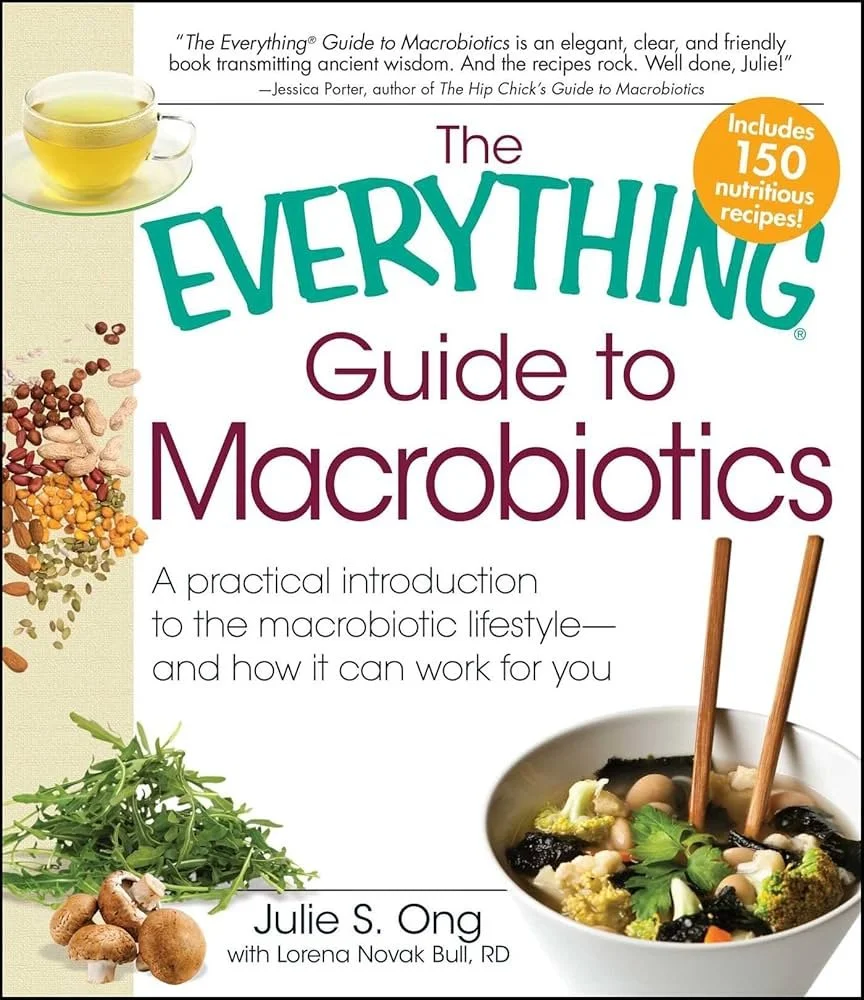
Macrobiotics is a lifestyle and dietary approach founded by the philosopher George Ohsawa, based on ancient Eastern principles. More recently, Michio Kushi, one of Ohsawa’s students, has come to the forefront of the macrobiotics world. The objective of this approach is to live in harmony with the elements and achieve physical and emotional balance and well-being. Macrobiotics is thought to prevent and treat illnesses such as heart disease, cancer, and diabetes.

A macrobiotic diet consists of 40-60% whole grains, 20-30% vegetables, and 5-10% beans and sea vegetables. The goal is to eat a variety of foods to maintain adequate nutrient levels in the body, leading to steady energy and a balanced mind and body. The macrobiotic approach is high in fiber and low in fat. It encourages eating seasonal, local, and organic foods whenever possible. Macrobiotic devotees eat a wide variety of whole grains, beans, and vegetables. Quantity is not the focus, and no calorie guidelines are laid out – quality of and relationship to food is everything. Traditional cooking methods, such as steaming and pressure-cooking, are utilized.

Followers are encouraged to only eat when they are truly hungry, and eat smaller quantities if they find themselves less hungry. Chewing each bite at least 30 times is a key component of the macrobiotic approach, assisting digestion and bringing a meditative quality to eating.

Liquids are moderated and encouraged only when one is truly thirsty. Beverages should not be consumed along with meals, as they are thought to inhibit digestion. Very cold beverages, especially those with ice, are avoided completely since they are said to interfere with digestion and harden fats in the body. Followers of the macrobiotic approach are taught to maintain an active, positive lifestyle and mental outlook by engaging in yoga and meditation.

 Foods to include daily:

  • Whole grains such as brown rice, barley, millet, oats, corn, rye, and wheat

  • Vegetables like kale, broccoli, cauliflower, collards, pumpkin, and onions

  • Pinto, black, and white beans

  • Fermented soy products such as tofu, tempeh, and natto

  • Sea vegetables such as nori, wakame, kombu, and dulse

  • Spring water, kukicha twig tea, and other non-aromatic teas

  • Condiments such as ume plum vinegar, miso, and tamari

Foods to include occasionally:

  • Fresh white fish

  • Temperate climate fruits such as apples, pears, plums, peaches, apricots, berries, and melons

  • Lightly roasted nuts and seeds

  • Rice syrup, barley malt, mirin, and amasake as sweeteners

Foods to avoid:

  • Meat, animal fat, eggs, and poultry

  • All dairy products

  • Sugar, chocolate, honey, molasses, and vanilla

  • Tropical or semi-tropical fruit and fruit juices such as orange, papaya, mango, grapefruit, and banana

  • Soda, artificial drinks, coffee, colored teas, and all stimulating teas

  • All refined, processed, artificially colored, preserved, sprayed, or chemically-treated foods

  • Hot spices and strong alcoholic beverages

Pros:

  • May become a lifestyle approach for some

  • Many will naturally eat less by chewing more

  • Encourages a whole foods approach

Cons:

  • Some require meat

  • May be difficult to adhere to when dining out

  • May not facilitate weight loss goals since no portion size recommendations exist

 Sources:

What is Macrobiotics?  (Links to an external site.)
Macrobiotic Guide www.macrobiotics.co.uk 
Macrobiotics www.wholesomebalance.com
George Ohsawa Macrobiotic Foundation www.ohsawamacrobiotics.com

Maker's Diet

Jordan Rubin, author of The Maker’s Diet, claims that the answer to achieving optimal health lies in “historic human nutrition.” After a nearly fatal experience with numerous digestive disorders, he has created a 40-day diet and lifestyle program based on whole foods in their natural state. Rubin has two criteria for “acceptable food”: 1. It must have been created by God. 2. It must still be in the form that God created it.

Although Rubin claims that most people lose 10-15 pounds in 40 days, the main objectives of the diet are to reduce stress, increase sleep, improve digestion, ward off colds, flus, and allergies, and decrease aches and pains. Along with Rubin’s food rules, he also encourages proper hygiene, exercise, therapeutic modalities, toxin reduction, and purposeful living.

The Maker’s Diet is divided into three two-week phases and fuses physical, spiritual, mental, and emotional health. Phase one is the most restrictive phase and does not permit grains, carbohydrates, fruit (except some citrus and berries), beans, starches, processed foods, sugars, and cow’s dairy. During this phase, some nuts are allowed. Phase two allows fruit, beans, cow’s dairy, and more nuts than the first phase. Phase three includes starches, whole grains, and some natural sugars such as honey and molasses.

 Foods to include:

  • Organic, free-range and/or grass-fed meats

  • Ocean-caught wild fish

  • Organic, free-range eggs

  • Kefir or “naturally fermented milk” made from raw goat’s or cow’s milk

  • Naturally sprouted or sourdough yeast-free whole grain breads

  • Raw nuts and seeds

  • Organic fruits and vegetables

  • Raw sauerkraut

  • Vegetable juices

  • Homeostatic soil organisms (food-based immune and digestive support supplements)

Foods to avoid:

  • Conventionally-raised meats

  • Farm-raised fish

  • Conventional dairy

  • Non-organic foods

  • White sugar

  • Processed foods

Pros:

  • Whole foods approach

  • Considers primary food

  • May improve digestion

Cons:

  • May not work for non-religious people

  • May be hard for some to access organic food

  • May be restrictive for some people

 Sources:

The Maker’s Diet www.makers-diet.net 
Eating from the Bible www.beliefnet.com
Meet the Maker’s Diet www.medicinenet.com

Master Cleanse

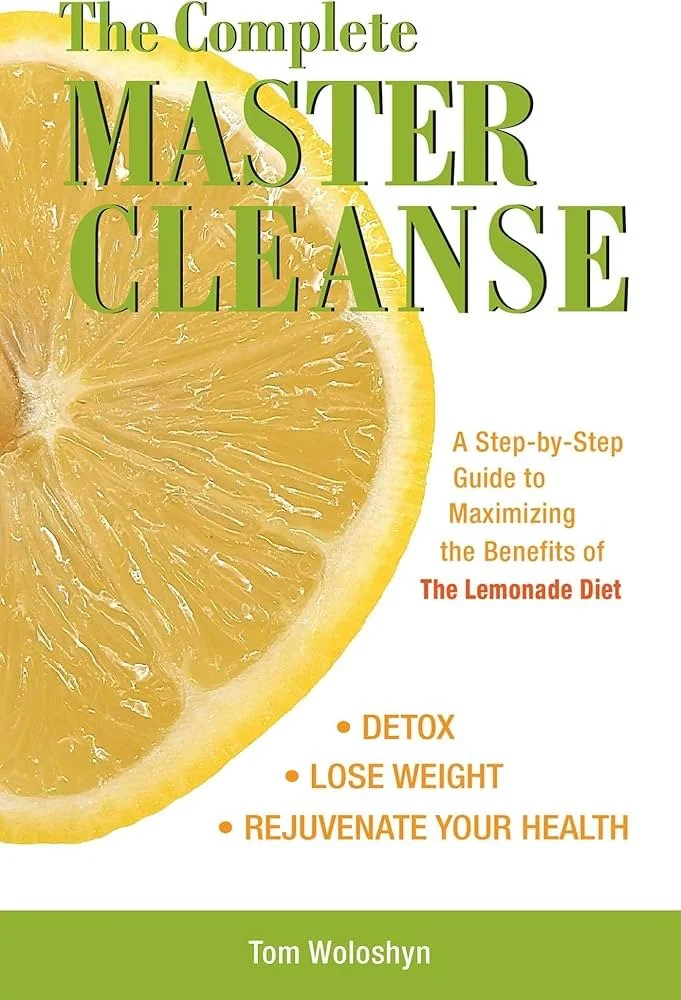
The Master Cleanse is a popular approach to cleansing that has also been called the Lemonade Diet, Maple Syrup Diet, and Cayenne Pepper Diet. The cleanse was created by Stanley Burroughs in 1940 and was intended to help treat people suffering from ulcers.

Initially, the Master Cleanse was not intended for weight loss as much as for cleansing the body. However, as it survived modern times, people looked to it for weight loss, improved digestion, and clearer skin. Weight loss occurs because the caloric intake is significantly less than most people consume on a daily basis. On average, 600 to 1200 calories are consumed each day on this cleanse. It’s important to note that the weight is usually regained once the person resumes his/her regular eating.

The Master Cleanse consists of drinking a quart of salt water immediately upon rising and then drinking 6-12 glasses of the concoction below for 10 days. Before bed, an herbal laxative tea is consumed to help flush out the system. The Master Cleanse lemonade recipe is 10 ounces of pure water, 2 tablespoons fresh-squeezed lemon juice, 2 tablespoons pure grade B maple syrup, and 1/10 teaspoon cayenne pepper.

When followed for 10 days, The Master Cleanse has been known to reduce common cravings, rid the body of toxins, improve digestion, and create clear skin. Once the 10 days are complete, juice should be the only thing consumed for the next two days. Soup should then be introduced into the diet, followed by solid fruits, vegetables, and nuts. A normal diet should not be resumed until these steps are taken. The gradual re-introduction of food is crucial in order to avoid body shock, digestive upset, and to allow good gut bacteria to redevelop. Most doctors do not recommend this cleanse due to the lack of essential nutrients. As with any dietary change, followers should always consult with a physician before starting this cleanse.

 Foods to include:

  • The Master Cleanse lemonade

  • Salt water

  • Fresh spring water

Foods to avoid:

  • All solid foods

  • All liquids, except the aforementioned three

Pros:

  • May cleanse the body of harmful toxins

  • May lead to initial weight loss

  • May improve mental clarity

Cons:

  • May lead to binges

  • May cause digestive problems

  • May spark irritability

 Sources: 

The Master Cleanse www.mastercleanse.com
Stanley Burrough’s Master Cleanse Diet www.calorielab.com