Mayo Clinic Diet

The Mayo Clinic diet, based on research and clinical experience, is focused on achieving optimal health and maintaining a healthy weight long-term.
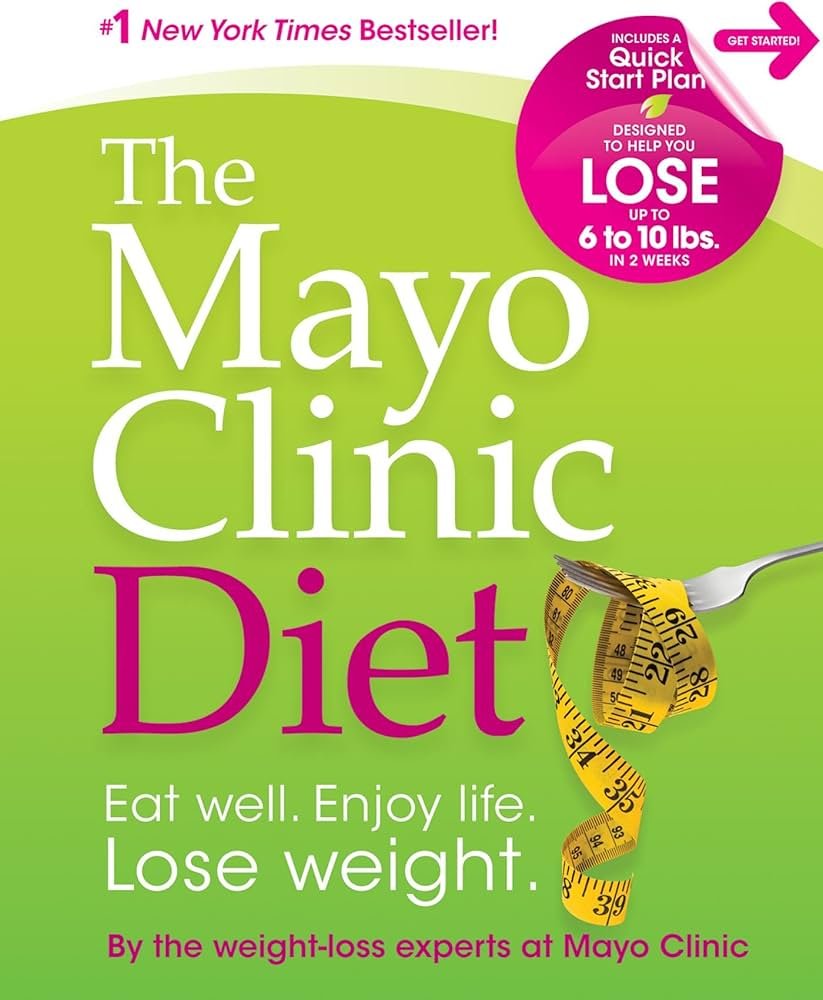
The goal is to find an individualized system that’s easy to sustain by implementing realistic, sustainable daily practices. The Mayo Clinic Healthy Weight Pyramid serves as a guide for making healthy food choices and incorporating exercise. The diet provides the tools to adopt a healthy lifestyle and eating habits in two phases:

Phase One - Lose It!
 
A two-week phase that emphasizes the formation of beneficial habits while breaking unhealthy ones. During this phase, 30 minutes of exercise each day is strongly encouraged. The creators claim that 6-10 pounds may be lost in the Lose It! phase.

Phase Two - Live It!
This phase teaches dieters how to permanently maintain their goal weight. The aim is to develop healthy eating patterns by learning about proper food choices, portion control, menu planning, and calorie counting. During this phase, it’s essential to continue the healthy habits that were adopted in the Lose It! phase, including daily exercise.

The Mayo Clinic diet requires nutrient-rich foods with a low caloric density. This includes fruits, vegetables, whole grains, lean protein, low-fat dairy, and unsaturated fats. Although the diet does not completely exclude any type of food, the habits adopted in the Lose It! phase should dictate the foods that are necessary to achieve optimal health.

 Foods to include: 

  • Fruits and vegetables

  • Whole grains

  • Lean protein

  • Low-fat dairy

  • Unsaturated fats

Foods to avoid:

  • Processed foods

  • Refined grains

  • Refined sugar

  • Full-fat proteins

  • Full-fat dairy

  • Saturated fats

Pros:

  • May initiate and maintain weight loss

  • Encourages whole foods

  • Acknowledges bio-individuality to some extent

Cons:

  • Some may require a more specific system to see results

  • Some thrive on high-quality fats

  • Not suitable for those allergic to dairy

  • Does not exclude any foods, such as processed foods

 Sources:

The Mayo Clinic Diet www.mayoclinic.com 
Mayo Clinic Diet health.usnews.com
Medifast Diet

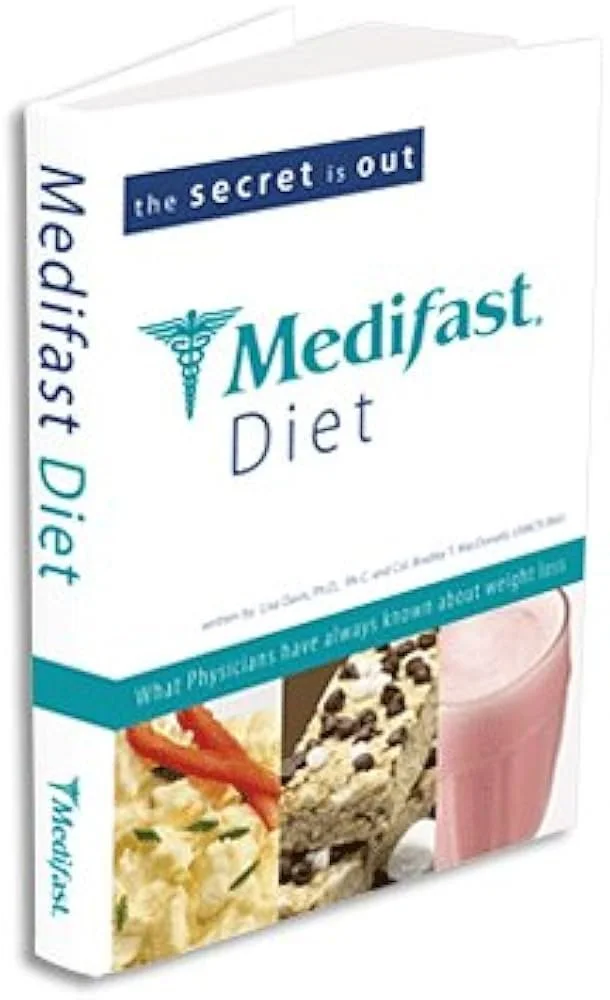
The Medifast diet is a low-calorie meal replacement program that allows you to control and monitor your diet by using the food and guidance provided by the company.

The goal is to trim your waistline while preserving muscle mass by eating less overall and consuming protein every few hours. On this plan, individuals eat six times per day – five of these six mini-meals are Medifast-prepared foods or shakes. The sixth mini-meal, called the “Lean and Green” meal, is a combination of protein and vegetables in a small portion size.

Guidelines are provided, but you choose and prepare the food yourself. Medifast also offers plans that are specifically designed for people with certain dietary issues and preferences. There are special programs for diabetics, vegetarians, celiacs, and more. There are also diets to accommodate teens, new moms, seniors, and those who have recently had weight loss surgery. The high-protein, low-carb Medifast plan is designed to yield a loss of 2-5 pounds per week. Weight loss may be less or more depending on an individual’s beginning weight and level of physical activity. Additional services and educational materials, including exercise guidelines, nutrition information, online communities, personal trainers, and registered dietitians are available online, in person, or by phone.

Once a person reaches his or her goal weight, there’s a 4-16 week “transition to maintenance” phase in which high-carb vegetables, fruits, non-fat or low-fat dairy, whole grains, and additional lean meats are slowly added back into the diet. The length of this phase varies depending on how much weight was lost. Its purpose is to help dieters transition back to consuming more calories while continuing to control portions and choose healthy foods.

 Foods to include:

  • Medifast shakes, bars, and puddings

  • Low-starch vegetables

  • Lean protein

  • Some healthy fats

Foods to avoid:

  • Grains

  • Dairy

  • Fruits

  • Sweets

  • Alcohol

  • Most fats

Pros:

  • Eliminates the need to think about calories, fat intake, or nutrition

  • Medifast meals are portable and require little prep

  • Includes options to accommodate different dietary preferences and restrictions

  • Designed to keep you full on as few calories as possible

Cons:

  • Caloric intake is extremely low

  • May be difficult to eat six times daily

  • May be too restrictive and lead to binges

  • Dieters may have trouble controlling portions when transitioning back to regular foods

 Sources:

How Medifast Works – Without the Marketing Speak www.themedifastplan.com
The Medifast Diet Plan www.webmd.com

Mediterranean Diet

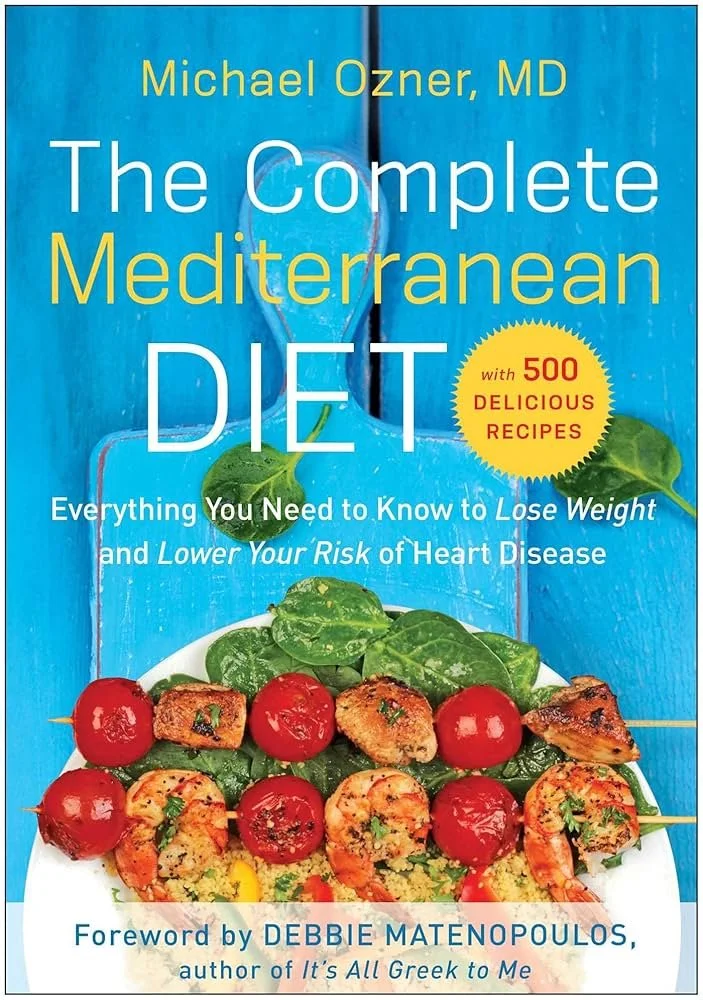
The Mediterranean diet is considered by some to be one of the healthiest ways of eating in the world. Beyond a dietary approach, it’s a lifestyle that pertains to the ancient customs and dietary patterns that have existed in the Mediterranean region for thousands of years.

Possibly due to a diet rich in omega-3 fatty acids and low in saturated fats, the inhabitants of this region have maintained remarkable health: They have lower rates of heart disease, cancer, and diabetes when compared to the United States, Japan, and Canada.

The Mediterranean diet consists of natural, whole foods such as whole grains, vegetables, fruits, meat, fish, nuts, dairy, and pure oils, and excludes processed and refined foods. Important lifestyle factors include the value placed on relationships, pleasure, leisure, and physical activity, which are all said to help reduce stress and contribute to physical and mental well-being.

The Mediterranean diet includes an abundance of extra virgin olive oil and seasonal fruits and vegetables as well as whole, unprocessed grains. Wild fish is highly encouraged as well as dairy products, especially from goats. It’s recommended that followers consume 3-4 eggs per week, although this approach is more about intuition and less about rules. Nuts are included as snacks since they contain high amounts of satiating omega-3s. Meats and saturated fats are savored in moderation, usually on special occasions.
A large part of the Mediterranean diet is simple, such as complementary seasonings like oregano and lemon. It’s recommended that wine consumption remain at 1-2 small glasses daily, and coffee is consumed moderately for pleasure and mental stimulation.

Foods to include:

  • Vegetables

  • Fruits

  • Whole grain

  • Fish

  • Meats

  • Dairy

  • Nuts

  • Olive oil

Foods to avoid:

  • Processed foods

  • Refined foods

Pros:

  • Moderate, flexible approach

  • Considers primary food

  • May become a sustainable lifestyle approach

Cons:

  • Some may require firmer guidelines to feel their best

  • Some may not react well to wine and coffee

  • Some may not have the willpower to moderate rich foods

Sources:

Get Started with the Mediterranean Diet www.mediterraneandietforall.com 
Mediterranean Diet www.health.usnews.com 
Mediterranean Diet www.mediterraneandiet.com

Metabolic Typing Diet

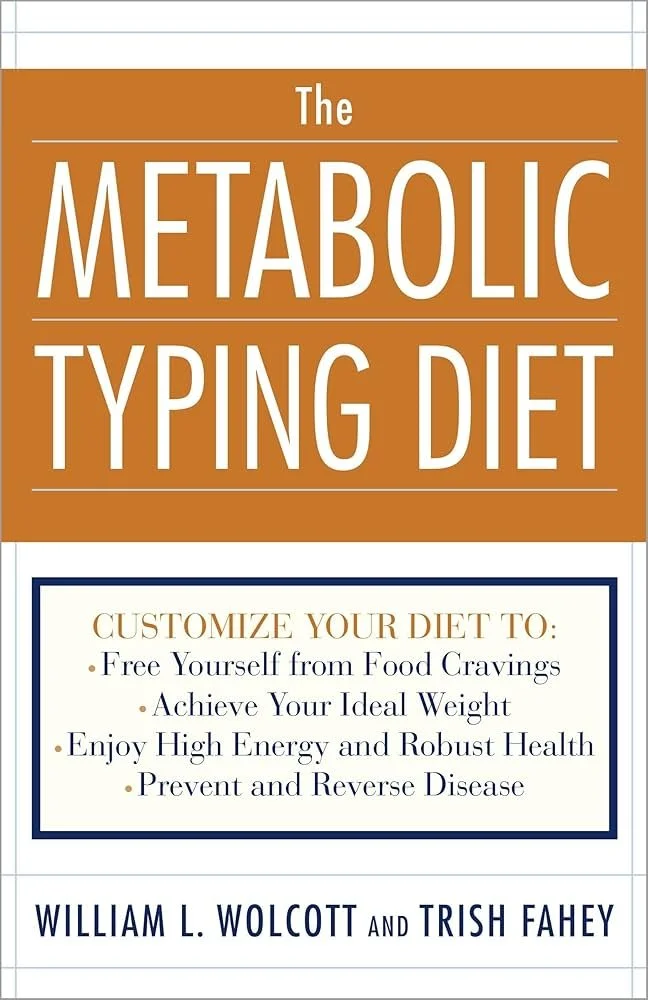
The Metabolic Typing diet says that there are three metabolic types: the protein type, the carb type, and the mixed type. Understanding your type is said to help you understand the way your individual metabolism works most efficiently. This approach recognizes that one diet will not work for everyone. 

If you are a protein type, your cells tend to burn carbohydrates quickly, and it’s recommended you consume a high-protein diet in order to slow down your body’s rapid cellular oxidation rate, stabilizing your energy. Protein types do very well on a diet that includes plenty of high-density, high-fat proteins. It’s especially important for this metabolic type to include a significant amount of protein at every meal and to moderate intake of carbohydrates, especially those high in sugar and starch. It’s important to snack smart in order to keep blood sugar levels steady. Characteristics of the protein type include strong appetite, cravings for fatty and salty foods, resistance to low-calorie diets, fatigue, anxiety, and nervousness. It’s recommended that this type cosumes red meat, dark chicken and turkey meat, nuts, seeds, tofu, tempeh, salmon, tuna, herring, sardines, mussels, and anchovies. Most protein types are able to digest full-fat foods in the form of cheese, eggs, cream, and milk.

Protein types should avoid alcohol, caffeine, fruit juices, citrus fruits, and sugar as well as foods high in oxalic acids, phytates, gluten, and enzyme inhibitors. Foods with high glycemic indices should also be avoided since they will spike blood sugar and leave this type fatigued. If you’re a carb type, you should consume a high percentage of carbohydrates in your diet to speed up your naturally-slower cellular oxidation rate. Carb types typically do well on a low-fat, relatively low-protein diet. This includes liberal amounts of carbohydrates in the form of fruits, vegetables, and whole grains. Too much fat and protein is said to slow down the body’s energy production.

Carb types need to remember that a low-protein diet does not mean a no-protein diet. Most carb types should include protein at most meals and focus on leaner and lighter forms such as seafood and poultry. Carb types should consume nuts and tofu sparingly. Most carb types exhibit relatively weak appetites, high tolerances for sweets, weight retention, type-A personalities, variable energy patterns, and caffeine dependency. It’s recommended that carb types focus on white chicken and turkey meat, light seafood, low-fat dairy products, vegetables, and legumes. It’s suggested that they limit red meat, alcohol, caffeine, sugar, and high-fat foods.

If you're a mixed type, it means you fall somewhere in the middle of the protein and carb type. In this case, it’s best to eat a balanced combination of all whole foods and minimize sugar. This will help maintain your naturally-even cellular oxidation rate. The mixed type usually displays a variable appetite, cravings for sweets and carbohydrates, and any combination of traits listed for both protein and carb types. This type is less predictable since it does not fall within a defined group, and may display different combinations of characteristics.

Mixed types should consume relatively equal ratios of proteins, fats, and carbohydrates, and a mixture of high-fat proteins and low-fat proteins. Mixed types may need to experiment with foods that are recommended for both protein and carb types since each individual will exhibit a different set of mental and physical requirements and preferences. Generally, mixed types should avoid alcohol, caffeine, fruit juices, and sugar as well as foods high in oxalic acids, phytates, gluten, and enzyme inhibitors.

 Pros:

  • Honors bio-individuality

  • Focuses on managing energy

  • May lead to increased productivity due to balanced blood sugar levels

  • May balance weight

Cons:

  • Vegetarian protein types may struggle to get adequate amounts of protein

  • Self-diagnoses are common and may be incorrect

  • May lead to nutrient deficiencies if followed too extremely

Source:

William Wolcott and Trish Fahey's The Metabolic Typing Diet

MyPlate Diet

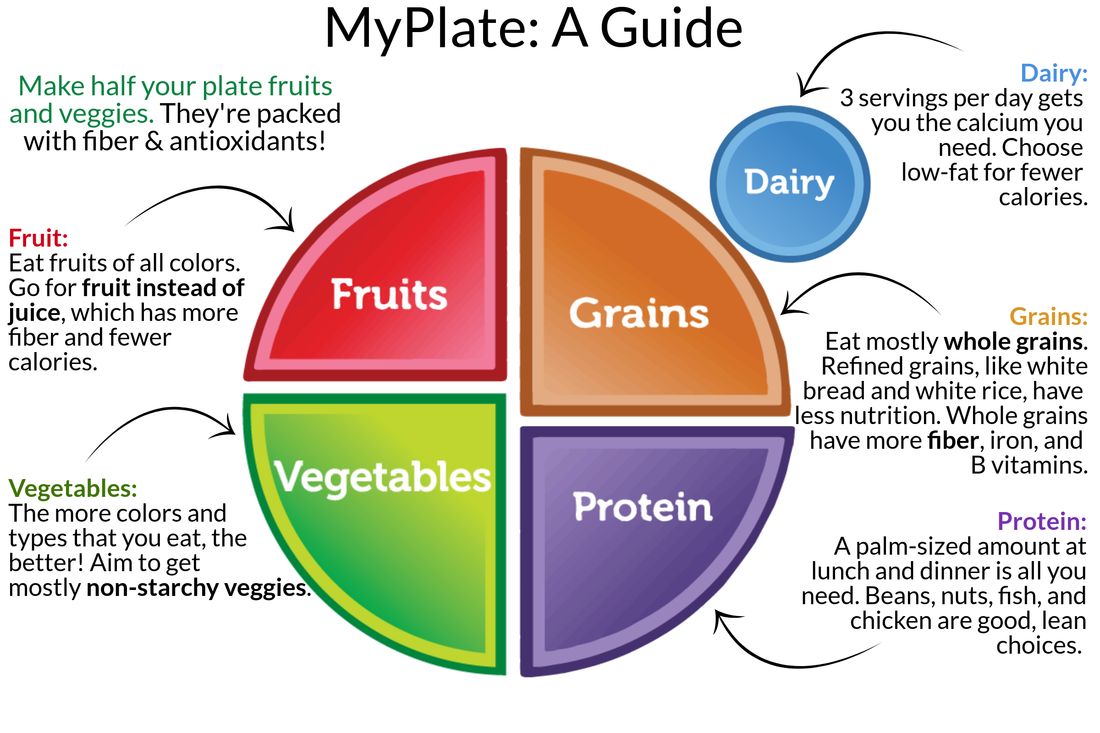
In 2011, the USDA replaced MyPyramid with MyPlate, an icon that illustrates the 2010 Dietary Guidelines for Americans. MyPlate serves as a reminder for individuals to maintain healthy eating habits as defined by the government. These guidelines, intended for the general public, emphasize a well-rounded diet that is low in saturated and trans fats, sugar, cholesterol, and sodium. It differentiates between whole and refined grains and provides a detailed list of protein options including nuts, seeds, and legumes.

The 2010 Dietary Guidelines for Americans aim to provide balanced nutrition information that supports healthy weight management, contributing to a reduction of chronic disease. These guidelines promote an increase in physical activity and informed food choices and a reduction in daily calorie intake. The MyPlate icon contains five sections represented on a plate: fruits, vegetables, protein, grains, and dairy. The icon displays these sections to indicate that a proper meal should consist of 50% fruits and vegetables, 25% grains, and 25% protein. It also suggests that a small portion of dairy should be included each day. Serving sizes vary for males and females and are also tailored to different age groups.

The website features helpful tips and support, including detailed instructions on how to build a healthy meal. It provides information on how to read food labels, count calories, calculate one’s Body Mass Index (BMI), and control portion sizes. It includes tips for eating out and grocery shopping as well as sample menus and recipes. In addition, the website is a source of helpful information for vegetarians. It also provides a food tracker, which enables individuals to monitor their daily food consumption and plan meals accordingly.

 Foods to include: 

  • Fruits

  • Vegetables

  • Protein

  • Grains

  • Dairy

Foods to avoid:

  • Processed foods

  • Sugary foods

  • Fats and oils

Pros:

  • Emphasizes consumption of fruits and vegetables

  • Easier to follow than MyPyramid

  • Promotes balanced meals

  • Website provides extensive resources

Cons:

  • Doesn’t provide individualized plans based on weight

  • Includes dairy as a main food group – not suitable for lactose intolerants


Sources:

Choose MyPlate www.choosemyplate.gov