
A low-fat diet is comprised of 50-55% of calories from carbohydrates, 20-25% from protein, and 30-35% from fat. This approach is low in saturated fat and cholesterol – saturated fat should comprise less than 10% of calories from fat. A low-fat diet may help reduce the risk of heart disease, diabetes, and other major health conditions.
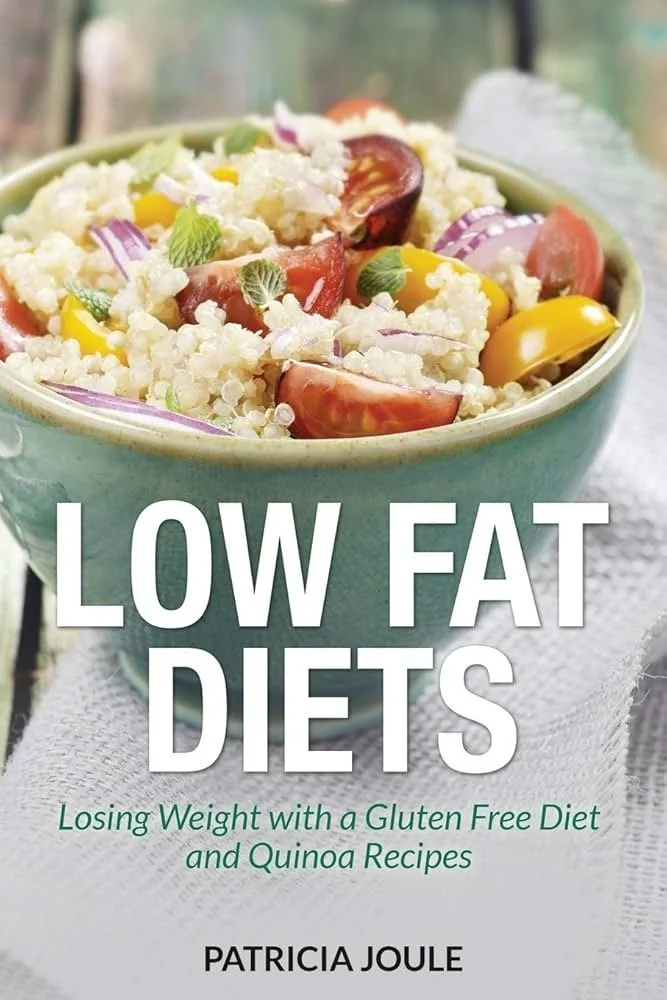
Protein and carbohydrates contain four calories per gram, whereas fat contains nine calories per gram. Thus, when fat is reduced, calorie consumption is decreased. The exception is when foods are highly processed with added sugars – then they may contain equal or greater calories per gram than fat. If you are following this approach, when ordering from restaurants request that no butter be added, go light on the gravy, and order low-fat dressing on the side for salads. Broiled, roasted, and baked items are great options. When it comes to dessert, fruit, angel food cake, frozen yogurt, and sorbet are low-fat choices.
Foods to include:
Whole grains
Lean meat
Lean poultry
Fish
Beans
Low-fat dairy
Vegetables
Fruits
Foods to avoid:
Butter
Whole milk
Fatty meats
Poultry skin
High-fat baked goods and desserts
Foods that are fried, sautéed, or involve rich sauces
Pros:
May reduce the risk of heart disease and diabetes
May reduce cholesterol levels
May become a lifestyle approach
Cons:
Some thrive on quality fat
Reduced fat intake may lead to cravings and binges
Reduced fat intake may cause decreased cognitive function and fatigue
Low-fat foods may be processed and contain chemicals to compensate for lack of fat
Sources:
Low-fat Diet Plan www.lowfatdietplan.org
Low-fat Lifestyle www.lowfatlifestyle.com
Healthy Low-Fat Recipes and Menus www.eatingwell.com