
Hindu scriptures place high value on vegetarian eating practices. The Hindu approach is rooted in the Vedas, Upanishads, Dharmashastras, Yoga Sutras, and other sacred texts of the Hindus.
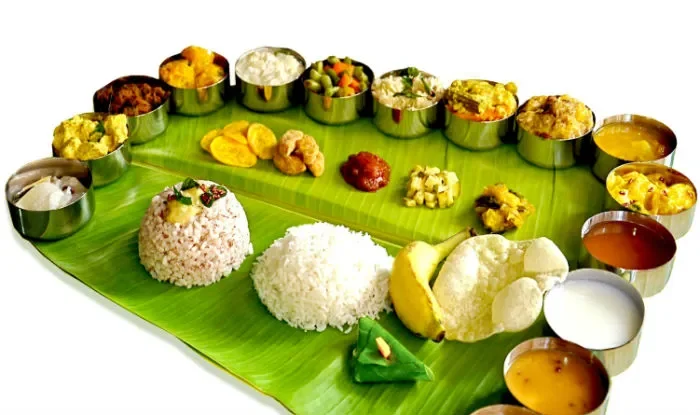
Since ancient times, the cow has been revered as holy by the Hindu people. It symbolizes wealth, strength, abundance, selfless giving, and a full, earthly life. Due to this great respect for the animal, followers of this religion and lifestyle only consume its milk in liquid, yogurt, and cheese forms – it’s part of Hindu tradition to avoid the consumption of beef as well as pork. Most Hindus get their protein through daals (lentils) and dairy.
Food plays an important role in worship, and when Hindus have religious ceremonies, they offer Prasād (usually a sweet dish) to the Gods.
Although fasting is an important part of Hinduism, more than 18 holidays on the Hindu calendar are based around feasts. Most fasting Hindus choose to live on fruit and milk, while others refrain from eating more than one meal per day. The purpose of fasting is to cleanse the body and develop a sense of discipline. Hindus believe that disciplined lives are the most productive and rewarding. Fasting was also used during earlier centuries so that available resources could be saved and shared during scarce times.
Foods to include:
Vegetables
Fruits
Whole grains
Beans
Dairy
Nuts
Foods to avoid:
Meat
Poultry
Fish
Eggs
Onions
Garlic
Hot peppers
Pickles
Pros:
Connected to faith
Considers primary food
Emphasizes whole foods
Cons:
Some people require meat
Not suitable for those with dairy allergies
Does not allow spicy foods
Sources:
Welcome to Sanatan Society! www.sanatansociety.org (Links to an external site.)
Hindu Dietary Practices: Feeding the Body, Mind and Soul www.minoritynurse.com (Links to an external site.)