Christian Diet

The Christian Diet is based on certain passages of the New Testament that outline which types of foods you should eat based on two categories: Clean and unclean. Clean foods are said to be those put on earth by God in their organic state, unprocessed and unrefined. It’s a myth that all Christian-influenced diets are vegetarian – devotees can choose whether or not they wish to be vegetarian.
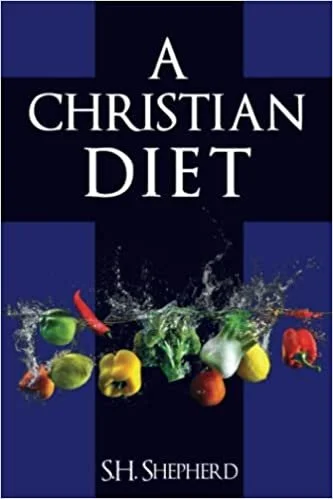
There are very specific characteristics that dictate whether or not a particular food is considered clean or unclean. For a fish to be considered clean it must have scales and fins – shellfish are not considered clean. According to the Bible, clean animals both have split hooves and chew their cud. This means that those following this diet do not eat pork since pigs do have cloven hooves, but do not chew their cud. Cows are an example of an animal that is considered clean since cows have split hooves and chew their cud. In addition to these meat rules, high-sugar and high-fat foods are excluded.

Giving thanks and praying before meals is an important part of the diet. A primary focus is to encourage individuals to become more in touch with their spirituality to fill them up on an emotional level rather than resorting to emotional eating to fill a void. The Seventh Day Adventist Church and the Christian Vegetarian Society are two popular backers of the Christian Diet.

Foods to include:

  • Vegetables

  • Fruits

  • Whole grains

  • Beef

  • Poultry

  • Some fish

  • Eggs

  • Beans

  • Some dairy

  • Nuts and seeds

  • Healthy oils

Foods to avoid:

  • Shellfish

  • Pork

  • Processed food

  • Sugar

  • Trans fats

Pros:

  • Can be a lifestyle rather than a diet

  • Spiritual approach and considers primary food

  • May promote long-term success through gradual lifestyle changes

  • Encourages healthy balance of food, regular exercise, and relaxation

Cons:

  • May not appeal to people who don’t follow the Christian faith

  • Food guidelines may be restrictive for some physical and emotional types

  • May not be specific enough to see results

  • Difficult to find specific information about this approach

Sources:

Christian Diet Program www.christianet.com 
What Would Jesus Eat? www.godweb.org
Curves Diet

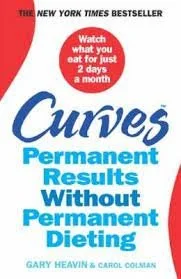
The Curves Diet is designed specifically for women and is comprised of a food, exercise, and motivational plan. The concept behind the Curves Diet is to reprogram metabolism so that the body can perform at its optimal level, both while active and at rest.

There are two plans on this diet: The low-calorie plan and the low-carbohydrate plan. Both plans have three phases:
Phase 1: Jump Start is meant to jump-start weight loss in the first week. It requires portion control and provides healthy meal and snack choices.
Phase 2: Take It Off calls for an increased caloric intake of the right types of food. Along with the exercise program, this phase ensures fat loss rather than lean muscle loss. Phase 3: Keep It Off commences when you’ve reached your goal weight. This phase emphasizes a healthy, independent lifestyle and smart personal choices based on knowledge gleaned in phases 1 and 2.

The exercise plan consists of 30 minutes of circuit strength training three days per week. This can be accomplished at a Curves facility or in the privacy of your home (some additional equipment is required). All Curves facilities solely employ women.

Foods to include:

  • Vegetables

  • Fruits

  • Whole grains

  • Meat

  • Poultry

  • Fish

  • Eggs

  • Dairy

  • Nuts and seeds

  • Healthy oils

Foods to avoid: 

  • Alcohol

  • Caffeine

  • Sugar

  • Processed foods

  • Trans fats

  • Refined grains

Pros:

  • Includes an affordable exercise plan

  • Provides access to recipes and meal plans

  • Teaches portion control

  • Includes a website that enables dieters to track their progress and receive support

Cons:

  • Counting calories and recording food daily may be tedious and overwhelming

  • Cooking the majority of food can be time consuming

  • Only allows women to join

  • Some may not live near a Curves facility

Sources:

Curves www.curves.com 
Strength-Training Surprise www.curves.com 
The Workout – Supporting Research www.curves.com 

DASH Diet

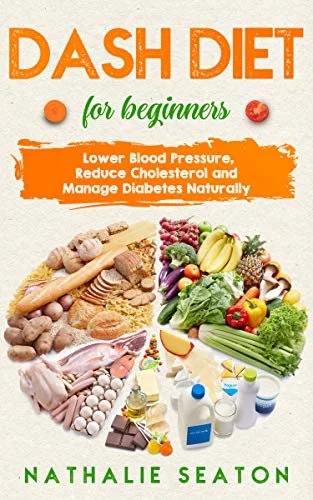
The DASH Diet, created in part by the National Heart, Lung, and Blood Institute, stands for Dietary Approaches to Stop Hypertension. The objective is to lower and prevent high blood pressure by reducing salt intake and incorporating more of the following nutrients: Potassium, calcium, magnesium, and fiber. It emphasizes fruits, vegetables, whole grains, lean protein, and low-fat dairy. The diet recommends avoiding red meat, sugar, and saturated fat.

The DASH Diet considers the willingness of participants to alter their lifestyle approach, encouraging gradual changes dependent on current lifestyle. DASH includes quantifying daily caloric intake based on age, gender, and activity level. Once the number of daily calories is determined, the number of servings per food category can be measured.

A subcategory of the DASH Diet includes the DASH-Sodium Diet, which adds to the parameters outlined above by also breaking down daily salt intake into two categories. For the majority of people, it’s recommended that daily sodium intake is kept under 2,300 mg. For people with high blood pressure, it should be kept under 1,500 mg. The DASH Diet encourages gradual reduction of daily salt intake from 2,300 mg to 1,500 mg, allowing the body time to adjust.

Foods to include:

  • Vegetables

  • Fruits

  • Whole grains

  • Lean poultry

  • Lean fish

  • Eggs

  • Beans

  • Low-fat or fat-free dairy

  • Nuts and seeds

  • Healthy oils

Foods to avoid:

  • Full-fat dairy

  • High-fat poultry and fish

  • Breaded and fried foods

  • High-sodium foods

  • Added salt

  • Refined grains

  • Processed foods

  • Trans fat

Pros:

  • Doesn’t restrict any food group, making it easier to sustain

  • Emphasizes whole foods

  • Balanced approach

  • Can be a lifestyle rather than a diet

  • Many may benefit from decreasing salt and sugar consumption

Cons:

  • Requires certain number of daily servings from each food group, not taking into consideration vegans, vegetarians, and those who are lactose intolerant

  • Some types benefit from red meat, which is prohibited on this plan

  • Some benefit from high quality full-fat dairy

Sources:

Dash Diet www.health.usnews.com
The Dash Diet Eating Plan www.dashdiet.org 
High Blood Pressure and the Dash Diet www.webmd.com
Your Guide to Lowering Your Blood Pressure with DASH www.nhlni.nih.gov 

Diet-to-Go

Established by Hilton Davis in 1991, Diet-to-Go is a Virginia-based delivery program that serves high-quality meals to individuals who don’t have time to prepare their own food. It’s a structured eating plan intended to help people lose weight without having to think about what to eat. The meals are customized based on individual dietary needs and weight loss goals and countless combinations are available to reduce boredom.

There are three Diet-to-Go meal plans to choose from including a traditional plan, a vegetarian plan, and low-carb plan. Each plan has a 1,200-calorie option and a 1,600-calorie option. The aim is for individuals to eat balanced, nutritious meals. Each plan may be delivered either fresh or frozen and includes side dishes and condiments. Meal plans range in price from $6.50 per meal to $140.99 per week. According to Diet-to-Go, the average customer spends $85 per week.

Foods to include: 

  • Vegetables

  • Fruits

  • Whole grains

  • Lean meat

  • Lean poultry

  • Lean fish

  • Eggs

  • Beans

  • Low-fat dairy

  • Nuts and seeds

  • Healthy oils

Foods to avoid:

  • High-calorie snacks

  • Processed food

  • Refined grains

  • Sugar

  • Trans fats

Pros:

  • Convenient to take on the go

  • Variety of meals to choose from

  • Provides structure

Cons:

  • National mail order delivery fee

  • Fresh fruits and vegetables not included in plans

  • May not be cost effective for large families

  • Fresh delivery not available in all areas

  • No vegan, gluten-free, or kosher options available

  • People may become bored with pre-set meals

Sources:

Diet-to-Go www.diettogo.com 
Diet-to-Go www.dietsinreview.com 

Diets Don't Work Diet

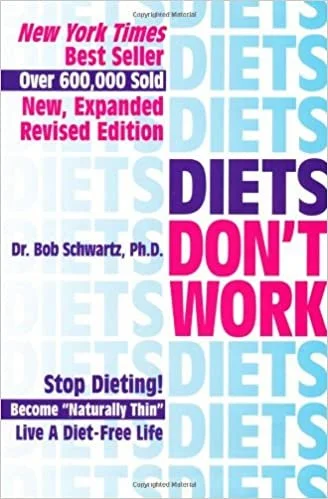
As we evolve as a society, more and more people are realizing that diets simply don’t work. If there was a tried and true formula, wouldn’t everyone be doing it? And wouldn’t everyone be at their ideal weight, side-stepping obesity and heart disease? In 1982, Bob Schwartz figured this out and wrote a book, Diets Don’t Work, which has been updated several times.

In his book, Bob discusses an approach to weight loss without dieting. He advocates eating only delicious foods and claims that dieting damages your natural system of satiety and metabolism. He emphasizes the relationship between food and lifestyle, and encourages dieters to develop a positive relationship with themselves in order to end their weight struggles for good.

Foods to include:

  • Vegetables

  • Fruits

  • Whole grains

  • Refined grains (in moderation)

  • Meat

  • Poultry

  • Fish

  • Eggs

  • Beans

  • Dairy

  • Nuts and seeds

  • Healthy oils

  • Sugar (in moderation)

Foods to avoid:

  • Processed foods

  • Trans fats

Pros:

  • Honors bio-individuality and self-awareness

  • Considers primary food

  • Can be a lifestyle rather than a diet

  • Supports sustained weight loss

Cons:

  • Some may prefer a structured diet plan

  • Only works for those ready to explore their relationship with food

  • Not a quick fix for weight loss

Sources:

Bob Schwartz’s Diets Don’t Work www.paperbackswap.com 
Reasons Not to Diet in the New Year www.sheerbalance.com