Dorm Room Diet

The Dorm Room Diet, written by Daphne Oz, daughter of Mehmet Oz, MD, FACS, highlights the nutritional challenges that college students face, teaching them healthy eating basics to avoid the “Freshman 15” – the notorious weight gain that many first-year college students experience.
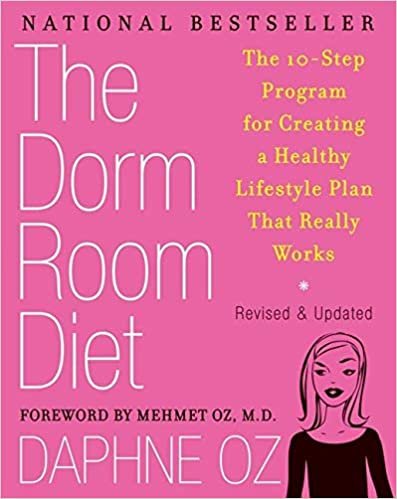
Daphne developed this approach with the help of her father and grandfather, both cardiac surgeons, and her mother and grandmother, both holistic nutrition advisors. She was able to skip the typical college weight gain and maintain a healthy body.

The Dorm Room Diet is not about restricting foods or counting calories; instead, it embraces balance. The creator provides easy recipes and healthy options for dining out. She also recommends keeping a variety of quick, wholesome snacks on hand, such as low-fat yogurt, soy crisps, whole-wheat pretzels, apples, and individual bags of chocolate chips for a moderate dessert. Daphne created a 10-step program that incorporates exercise, supplements, and sensible eating practices that can be adopted on a college campus.

 Foods to include:

  • Vegetables

  • Fruits

  • Whole grains

  • Lean meat

  • Lean poultry

  • Lean fish

  • Eggs

  • Beans

  • Low-fat dairy

  • Nuts and seeds

  • Healthy oils

Foods to avoid:

  • Candy

  • Processed foods

  • Fried foods

  • High-sugar alcoholic beverages

  • Sugar

  • Trans fats

  • Refined grains

Pros:

  • Practical and easy-to-follow recommendations

  • Increases awareness of emotional eating

  • Promotes healthy weight loss or maintenance

  • Emphasizes importance of exercise

Cons:

  • Suggests same supplements for everyone

  • May be difficult for those on a tight budget

  • May be difficult for those who are lactose intolerant

Sources:

Daphne Oz’s The Dorm Room Diet
The Dorm Room Diet
Dr. Oz's Ultimate Diet

Dr. Oz’s Ultimate Diet is a two-week reboot plan that claims to give you a new perspective on eating and refreshing your inspiration for grocery shopping and meal planning while initiating and maintaining weight loss.

Dr. Oz says that the first step is to give your kitchen and pantry a makeover by removing processed foods and replacing them with fruits, vegetables, whole grains, protein, and healthy fats like olive oil. He recommends reading every label and getting rid of foods containing trans fats, refined white flour, saturated fats, syrups, and/or simple sugars. He provides a grocery list to get you moving in the right direction.

After clearing your fridge, Dr. Oz recommends getting your blood pressure, waist size, cholesterol, weight, and blood sugar taken at your doctor’s office to ensure you’re in good health before beginning the diet.

He recommends being conscious of portions sizes and even switching to smaller, 9-inch plates to automatically reduce your servings, and is an advocate of smoothies for breakfast. He says you can avoid cravings and subsequent binges by being prepared with healthy emergency snacks like nuts and edamame. He recommends red pepper and cinnamon to add flavor to food and reduce sweet cravings.

Dr. Oz also recommends having a weight loss buddy – someone you can discuss your goals with and get support from. He encourages talking to them for five minutes every day. In terms of exercise, he also recommends 10,000 steps per day or walking five miles.

Foods to include: 

  • Vegetables

  • Fruits

  • Whole grains

  • Meat

  • Poultry

  • Fish

  • Eggs

  • Beans

  • Dairy

  • Nuts and seeds

  • Healthy oils

Foods to avoid:

  • Trans fats

  • Saturated fats

  • Sugar

  • Refined grains

  • Processed foods

Pros:

  • Can be a lifestyle rather than a diet

  • Wide range of nutrients and flavors

  • Emphasizes whole foods

  • Quick weight loss in some cases

Cons:

  • Not a quick fix – takes time and dedication

  • Volume of recommendations may be overwhelming

  • May be hard for some to take initiative with lifestyle changes

Sources:

Dr. Oz’s Ultimate Diet www.doctoroz.com 

Dukan Diet

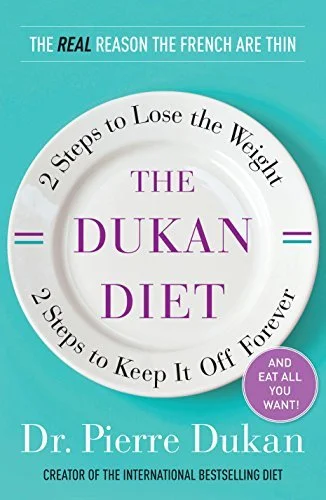
The Dukan Diet was created to help French women stay thin by incorporating a protein-based diet into their lifestyle. The founder, Pierre Dukan, MD, nutritionist, pulled from his 10 plus years of nutrition research, working with patients to fine tune his approach. His plan swept Europe and was later introduced to the United States to help combat obesity.

The diet is based on four phases and emphasizes high-protein, low-carb, and low-calorie foods including a list of 100 allowed foods (72 proteins and 28 vegetables). A key feature is the incorporation of oat bran every day, in multiple forms, from porridge to cookies, along with drinking plenty of water. The plan also requires at least 20 minutes of walking every day.

Foods to include: 

  • Low-carb vegetables

  • Low-carb fruits

  • Lean meat

  • Lean poultry

  • Lean fish

  • Eggs

  • Beans

  • Non-fat dairy

  • Nuts and seeds

Foods to avoid: 

  • Sugar

  • Whole grains

  • Refined grains

  • Processed foods

  • High-fat foods

  • Trans fats

Pros:

  • Emphasizes whole foods

  • Honors bio-individuality

  • Specific guidelines are easy to follow

Cons:

  • Restrictive and may be difficult to sustain for some

  • Some may require healthy fats

  • Some may require more than 20 minutes of walking to see optimal results

Sources:

Dr. Pierre Dukan’s The Dukan Diet: 2 Steps to Lose the Weight, 2 Steps to Keep It Off Forever
The Dukan Diet
www.dukandiet.com 
The Dukan Diet Review www.webmd.com 
Introduction to the Dukan Diet – U.S. and Canada www.youtube.com 

Eat More, Weigh Less

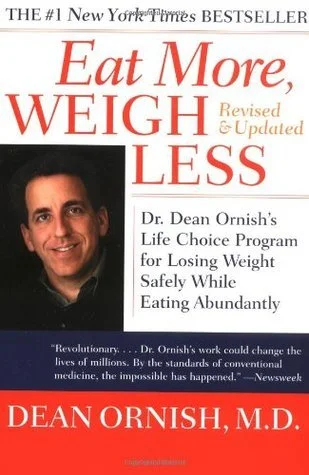
Dean Ornish, MD, is known in the medical community for reversing heart blockages through nutrition, which was once thought impossible without surgery or drugs. In 1993, he authored the book Eat More, Weigh Less: Dr. Dean Ornish’s Life Choice Program for Losing Weight Safely While Eating Abundantly. It quickly became a New York Times bestseller.

The Eat More, Weigh Less diet is a high-fiber, low-fat approach meant to spark weight loss and promote optimal health. This diet can be followed by meat eaters, vegetarians, and vegans – although less meat is encouraged. Dr. Ornish also emphasizes regular exercise and stress reduction. Beyond weight loss, this diet may prevent and sometimes reverse some forms of heart disease.

Dr. Ornish claims that with the right combination of food and exercise, weight loss may occur even when participants eat more frequently and larger amounts of food. He recommends that less than 10% of calories come from fat, and breaks the diet down into foods that should be eaten all of the time, some of the time, and never.

Foods to include:

  • Vegetables

  • Fruits

  • Whole grains

  • Egg whites

  • Beans

  • Non-fat dairy

  • Nuts and seeds

  • Healthy oils

Foods to include some of the time:

  • Meat

  • Poultry

  • Fish

Foods to avoid:

  • Full-fat dairy

  • Sugar

  • Alcohol

  • Processed foods

  • Refined grains

  • Trans fats

Pros:

  • High consumption of fruits and vegetables

  • Considers primary food

  • Honors bio-individuality

  • May reverse heart disease and balance cholesterol

  • Addresses difference between healthy and unhealthy fat

Cons:

  • Very restrictive

  • May be difficult to reduce meat

  • Some may thrive on full-fat dairy

Sources:

Dean Ornish’s Eat More, Weigh Less
Review: Eat More, Weigh Less
www.webmd.com 
The Ornish Spectrum www.ornishspectrum.com 
Dr. Dean Ornish: Healing through diet  

Eco-Atkins Diet

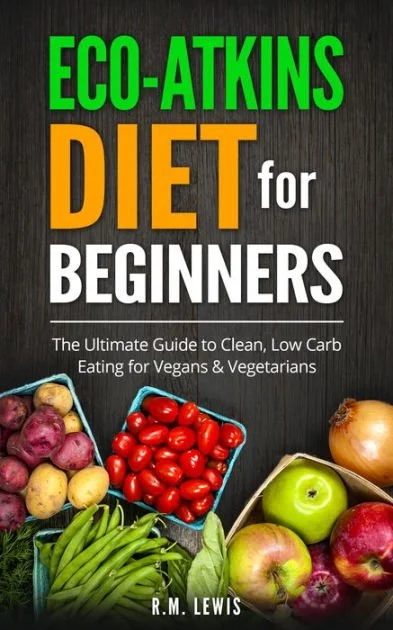
Simply stated, the Eco-Atkins Diet is the vegan/vegetarian Atkins alternative. Like the Atkins Diet, the Eco-Atkins approach is high in protein and low in carbohydrates. In the Eco-Atkins approach, animal fat is replaced by plant-based protein. In some cases, eggs and dairy may also be included.

This plant-based version of the Atkins Diet was developed by Robert Atkins, MD, with goals to promote weight loss, reduce insulin resistance, and raise “good” (HDL) cholesterol while lowering “bad” (LDL) cholesterol.

Foods to include:

  • Vegetables

  • Fruits

  • Whole grains

  • Meat substitutes such as tofu, tempeh, and seitan

  • Eggs

  • Beans

  • Dairy, if you choose

  • Nuts and seeds

  • Healthy oils

Foods to avoid:

  • Meat

  • Refined grains

  • Sugar

  • Trans fats

  • Processed foods

Pros:

  • May help lower cholesterol

  • Eco-friendly, sustainable way of eating

  • High-fiber food helps curb hunger

Cons:

  • Dieters may rely on processed protein alternatives, which can be hard to digest

  • Very restrictive

  • Some individuals may require animal protein


Sources:

The Eco-Atkins Diet: What It Is www.webmd.com
The ‘Eco-Atkins’ Diet www.atkins.com
Eco-Atkins Diet Plan Menu www.livestrong.com