Elimination Diet

An elimination diet involves removing specific foods that may be causing allergic reactions or signs of intolerance. Common allergens include soy, dairy, eggs, fish, shellfish, caffeine, gluten, and nuts.
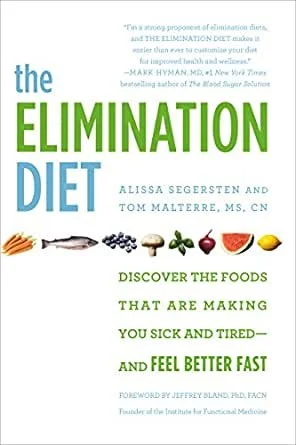
Elimination diets typically involve removing suspicious foods for a period of time – from two weeks to a few months – and observing how the body reacts. After the elimination phase, foods are reintroduced one at a time to see whether the symptoms resurface, signaling that a specific food is the issue. Keeping a food diary is suggested to record any adverse reactions.

True food allergies can affect the immune system and cause immediate symptoms such as hives, rashes, puffy eyes, vomiting, and even anaphylaxis. However, many people suffer from food intolerances, and symptoms can be less severe and even show up two or three days after eating the food. Food intolerance symptoms include indigestion, heartburn, nausea, cramps, headaches, and fatigue, among others.

Foods to include:

  • Vegetables

  • Fruits

  • Whole grains

  • Meat

  • Poultry

  • Beans

  • Healthy oils

Foods to avoid:

  • Soy

  • Dairy

  • Eggs

  • Fish

  • Shellfish

  • Gluten

  • Nuts

Pros:

  • Emphasizes whole foods

  • May alleviate symptoms immediately

  • Increases awareness and mindfulness

Cons:

  • Requires discipline and monitoring

  • Eliminating certain foods could lead to deficiencies in those areas

  • Not a guaranteed method for diagnosing allergies – other psychological and physical factors may affect results

Sources: 

Jonathan Brostoff’s Food Allergies and Food Intolerance
Jill Carter’s Allergy Exclusion Diet
Elimination Diet and Food Challenge Test for Allergies
www.webmd.com 
About Food Allergy www.foodallergy.org 
Engine 2 Diet

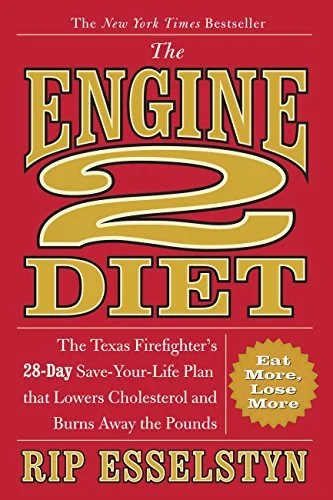
Created by world-class triathlete-turned-firefighter, Rip Esselstyn, the Engine 2 Diet promotes a 28-day plant-based program to help lower cholesterol and reduce the risk of disease. Although the initial phase is 28 days, this plan can be a lifestyle approach when the same principles are applied to a more broad, individualized, plant-based approach to eating.

Using advice from his father, Caldwell B. Esselstyn, MD, to develop the diet, Rip considers the supportive role of a plant-based, low-fat diet in reducing the risk of heart disease and diabetes. The Engine 2 Diet was proven effective as fellow firehouse members lowered their cholesterol levels, lost an average of 20 pounds, and improved their overall health on the plan.

On this plan, traditional American breakfasts are replaced with plant-based options like hot cereal with berries or homemade oat muffins. Lunch might be hummus-veggie pizzas or wild rice tacos, and dinner could be stuffed zucchini or homemade veggie burgers. For dessert on this plan, you might have a homemade fruit mousse or a date-nut fruit pie.

Exercise, such as stretching, yoga postures, and basic resistance moves like push ups, sit ups, and squat thrusts are recommended. The founder also hosts three-day retreats where there are lectures and demonstrations teaching the impact of unhealthy food and poor lifestyle, and the importance of whole nourishment.

Foods to include:

  • Vegetables

  • Fruits

  • Whole grains

  • Beans

  • Nuts and seeds

  • Healthy oils

Foods to avoid:

  • Meat

  • Poultry

  • Fish

  • Eggs

  • Dairy

  • Processed foods

  • Refined grains

  • Sugar

  • Trans fats

Pros:

  • May lower risk of heart disease and diabetes

  • Geared toward beginners

  • Emphasizes whole foods

Cons:

  • Author’s claim that dairy consumption is associated with Type 1 diabetes is not clinically proven

  • Author notes plant-based diet may negatively affect calcium levels

  • Does not honor bio-individuality

Sources:

Rip Esselstyn’s The Engine 2 Diet: The Texas Firefighter's 28-Day Save-Your-Life Plan that Lowers Cholesterol and Burns Away the Pounds
Engine 2 Diet Book Review www.eatright.org
The Engine 2 Diet www.engine2diet.com


Fast Metabolism Diet

The Fast Metabolism Diet was developed by Haylie Pomroy, a raw nutrition specialist who teaches that eating is a natural, necessary biological function. She encourages a whole foods approach and discourages followers from viewing food as the enemy. Her book, The Fast Metabolism Diet, is a New York Times bestseller, reaching thousands of people around the world.

Haylie’s focus in The Fast Metabolism Diet is jumpstarting the metabolism and removing factors that are hindering optimal metabolic function. In the first phase of the diet, followers are guided to reduce stress by eating plenty of carbohydrates, such as fruits and whole grains. Haylie says that once your brain is getting the nutrients it needs, it relaxes and brings your body out of storage mode. She also says that these nutrient-dense foods cause the thyroid to release T3 and T4, which speed up the metabolism.

In Phase Two, Haylie guides followers in flushing fat away with lots of vegetables and protein. She specifically recommends bitter greens to encourage the thyroid to release fat-burning T3 and T4. She also says that high-protein, low-glycemic foods stimulate fat-burning enzymes in the liver.

Phase Three is all about boosting the metabolism by adding in healthy fats such as olive and coconut oil. These are said to promote brain health and allow the pituitary gland to release hormones that break down fat. Haylie encourages drinking lots of water to flush toxins from the system and prevent reabsorption. She claims that body fat in problem areas disappears in this phase.

 Foods to include:

  • Vegetables

  • Fruits

  • Whole grains

  • Meat

  • Poultry

  • Fish

  • Eggs

  • Beans

  • Nuts and seeds

  • Healthy oils

Foods to avoid:

  • Wheat

  • Corn

  • Processed foods

  • Refined grains

  • Sugar

  • Artificial sweeteners

  • Diet products

  • Dairy

  • Soy products

  • Dried fruit

  • Fruit juices

  • Trans fats

  • Caffeine

  • Alcohol

Pros:

  • Emphasizes whole foods

  • Can be sustainable once learned

  • Eliminates processed foods

  • May initiate and maintain weight loss

  • May suit celiacs and gluten-intolerants

Cons: 

  • Does not honor bio-individuality

  • Some thrive on dairy

  • May be difficult for some to cut out alcohol

  • Some thrive on wheat

  • May be too limiting and regimented

Sources:

Haylie Pomroy’s The Fast Metabolism Diet

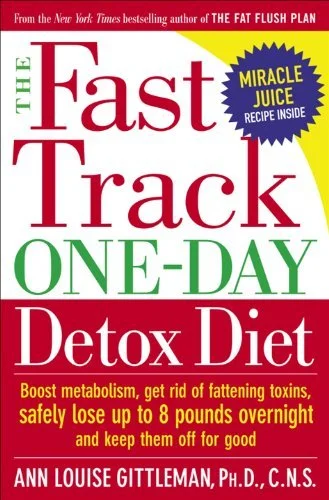
Fast Track Detox Diet

The Fast Track Detox Diet was created by nutritionist Ann Louise Gittleman, PhD, CNS. The plan provides an 11-day detox program including a 7-day preparation, 1-day fast, and 3-day maintenance period. Dr. Gittleman claims fasting can be a great weight-loss method when done properly. In her book, The Fast Track Detox Diet, she outlines how to prepare for the detox in order to prevent toxin overload.

The diet is broken down into three phases: The prequel, the one-day fast, and the sequel. During the prequel, detox-supportive foods are added in to prepare for the fast, where a “miracle juice” is consumed to balance blood sugar, boost metabolism, and replenish nutrients. During the one-day fast, dieters only consume water and a cranberry-cinnamon juice concoction every two hours. During the last phase, the sequel, immune-boosting foods are introduced to maintain weight loss with a strong focus on yogurt.

The diet plan addresses emotional issues and recommends journaling, breathing exercises, and visualization tools.

Foods to include:

The Prequel

  • Vegetables

  • Fruits

  • Whole grains

  • Lean meat

  • Lean poultry

  • Lean fish

  • Eggs

  • Beans

  • Nuts and seeds

  • Healthy oils

The Fast

  • Filtered lemon water

  • Cranberry juice-cinnamon mixture

The Sequel

  • Vegetables

  • Fruits

  • Whole grains

  • Lean meat

  • Lean poultry

  • Lean fish

  • Eggs

  • Beans

  • Yogurt

  • Nuts and seeds

  • Healthy oils

Foods to avoid:

The Prequel

  • Sugar

  • Trans fats

  • Refined carbohydrates

  • Gluten

  • Artificial sweeteners

  • Alcohol

  • Caffeine

  • Dairy

  • Soy protein isolate

The Fast

All solids and liquids outside the water and cranberry-cinnamon juice concoction

The Sequel

  • Sugar

  • Trans fat

  • Refined carbohydrates

  • Gluten

  • Artificial sweeteners

  • Alcohol

  • Caffeine

  • Dairy

  • Soy protein isolate

Pros:

  • Quick weight loss in some cases

  • Promotes elimination of toxins that weaken the body’s natural detoxification systems

  • May help people quit smoking and/or drinking caffeine

Cons:

  • Cleanses must be done with caution as they may stress the internal organs and cause nutrient deficiencies

  • Extreme cleansing diets can be addictive

  • May be hard for some to give up solid food for a day

  • May lead to binges

  • Could cause stomach distress in some, depending on pre and post-cleanse diet

Sources:

Ann Louise Gittleman’s The Fast Track Detox Diet
Dr. Ann Louise
www.annlouise.com 
Fast Track Detox Diet www.everydiet.org 

Fasting

Traditional fasting is the act of abstaining from all food and drink (with the exception of water) for a period of time. In our modern age, there are many types of fasts, and they are frequently used for religious, spiritual, and health purposes. Although complete fasts eliminate all food and drink, there are also a variety of fasts that limit certain food groups or only allow juices. Fasts can last from hours to weeks depending on the purpose.

Fasting is also associated with the words “detoxing” and “cleansing.” Fasts are often used to lose weight and clean out accumulated toxins in the body’s internal organs such as the colon and liver. Many believe fasting is a natural way to give the digestive system and metabolism a break.

Foods to include:

  • None

Foods to avoid:

  • All

Pros:

  • Rapid weight loss

  • Cleanses body of metabolic waste and toxins

  • Enhances mood and increases energy

  • Greater spiritual connection

Cons:

  • Fasting for long periods of time can deprive the body of critical vitamins, minerals, and other nutrients

  • May cause fatigue, dizziness, constipation, and dehydration

  • Not a sustainable diet for permanent weight loss

  • Not suitable for some health conditions

Sources: 

Fasting Diets WebMD
Fasting for Natural Healing www.allaboutfasting.com