Hawaii Diet

The Hawaii Diet is more than a way of eating – it’s a way of life. According to the creator, Terry Shintani, MD, in order to achieve optimal health, one’s spiritual, mental, emotional, and physical wellness must be addressed in addition to nutrition. Dr. Shintani developed the diet based on his belief that many diseases suffered by Hawaiians and other cultures could be prevented and reversed through a return to the native diets of their ancestors.
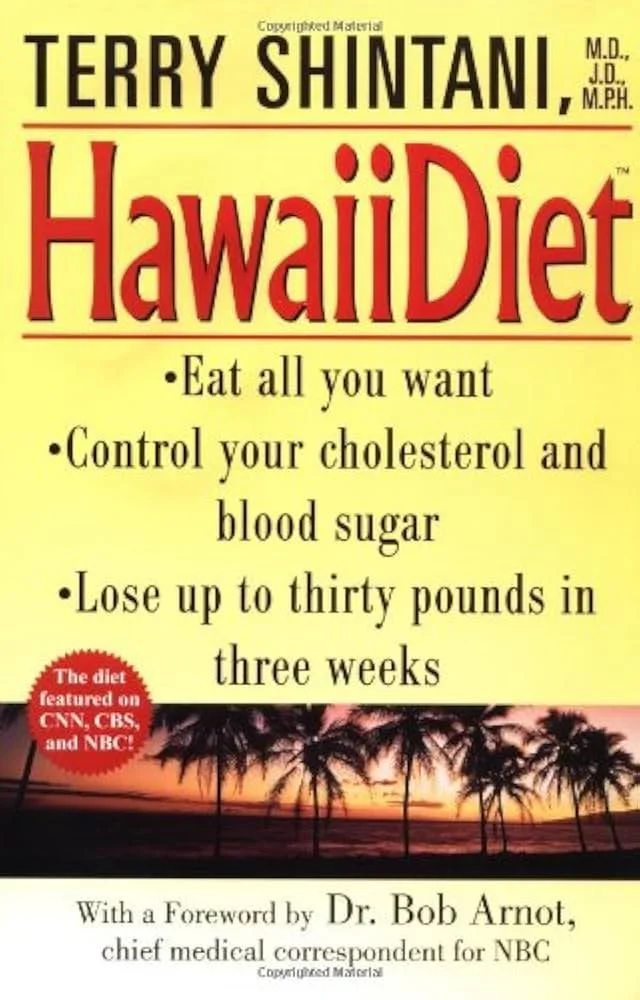
As a further means of strengthening the body, increasing energy levels, reducing stress, losing weight, and achieving inner peace, Dr. Shintani recommends praying, meditating, and laughing daily as well as performing selfless acts regularly.

The Hawaii Diet does not place restrictions on the quantity of food that should be consumed; rather, foods are measured according to their Shintani Mass Index (SMI), which is based on calorie density. In other words, a food’s SMI describes how many pounds would need to be consumed to provide a day’s worth of calories. For example, cabbage has an SMI of 22.8 while the SMI of French fries is 1.7.

This means it would take 22.8 pounds of cabbage and 1.7 pounds of French fries to amount to a day’s worth of calories. 200 calories worth of cabbage will weigh more, and therefore, fill the stomach more than 200 calories of French fries. This diet proposes that one can lose weight without being hungry by consuming high-SMI foods on a regular basis.

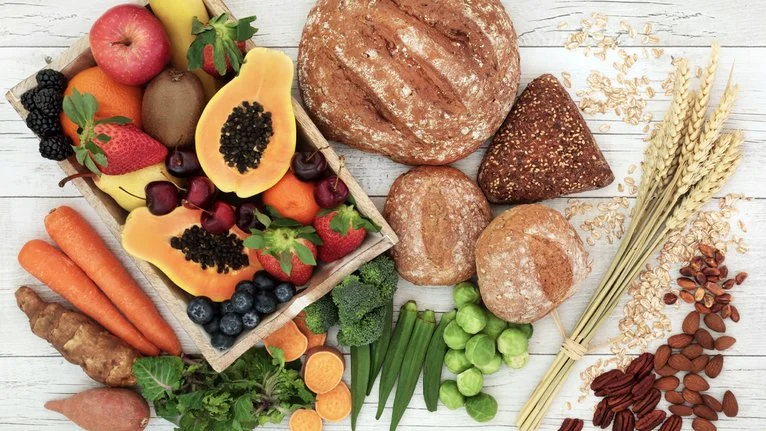
Vegan foods with high-SMI values are favored in this diet, including vegetables, fruits, tofu, beans, and unrefined grains like oatmeal, corn, potatoes, and brown rice. Poi, a highly nutritious purple paste made from pounded taro root, is an ancient Hawaiian staple and common in this diet. Meats, nuts, sugar, refined foods, and fried foods should be avoided or used sparingly.

Foods to include:

  • Vegetables

  • Fruits

  • Whole grains

  • Beans

  • Healthy oils

Foods to avoid:

  • Meat

  • Poultry

  • Fish

  • Eggs

  • Dairy

  • Nuts and seeds

  • Refined grains

  • Sugar

  • Trans fats

  • Processed foods

  • Fried foods

Pros:

  • Considers primary food such as meditation

  • Emphasizes whole foods

  • Excludes processed foods

Cons:

  • Some require meat

  • Some will not do well with starches

  • May be too vague for some to follow and see results


Sources:

Hawaii Diet www.holisticonline.com 
Terry Shintani’s Hawaii Diet
HCG Diet

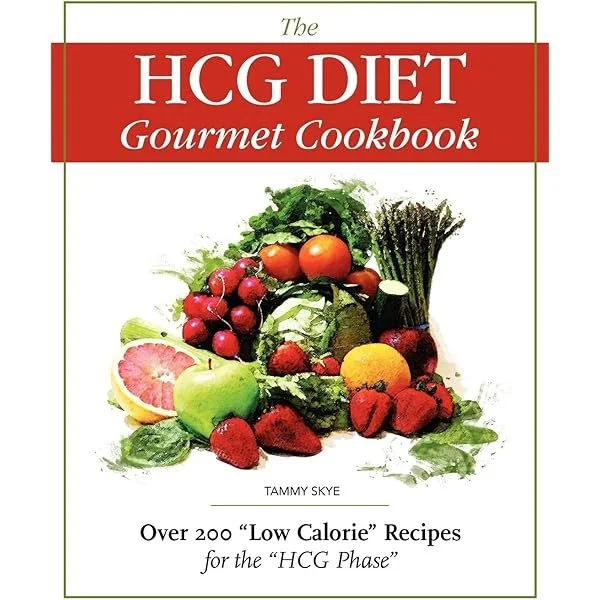
he HCG Diet was created in the 1950s by Dr. Albert Simeons, a British endocrinologist who believed that this hormone could help men and women lose weight by releasing the calories in stored fat. Human chorionic gonadotropin, or HCG, is a hormone produced in the placenta during pregnancy. It ensures that the fetus receives ample nutrients during its development by utilizing stored fat in the mother’s body. In the HCG Diet, this hormone is administered along with an extremely calorie-restricted diet in order to redirect the body to use its fat stores for energy.

The plan is broken up into three phases, with Phase 1 being the Loading stage. This two-day phase focuses on taking in as much food as desired to load up on nutrients and energy, which will sustain the dieter through the next phase.

Phase 2 is called Maintenance/Calorie Restriction. This phase, which usually lasts about one to two months, involves extreme calorie restriction and the administration of HCG to tap into body fat stores for energy.

During this phase, dieters reduce caloric intake to 500-800 calories a day with regular doses of HCG, and drink only unsweetened, caffeine-free liquids. It’s advised to eat 200 grams of lean protein each day, and only eat specific low-carb vegetables such as celery, cabbage, chard, kale, asparagus and tomatoes. Dieters should eat one portion of fruit for dessert to curb sweet cravings, such as an apple, orange, grapes, or strawberries.

Phase 3 is Stabilization. This 21-day phase is designed to help the dieter return to a more normal eating pattern. It’s advised to increase caloric intake to 800 for women and 1000 for men at this point, and to start to implement an exercise routine.

During all phases, consumption of at least two liters of water daily is required. Exercise should be minimal and limited to a brisk walk. Like most diets, this regimen should be monitored by a professional healthcare practitioner.

Foods to include: 

  • Low-starch vegetables

  • Low-starch fruit

  • Lean protein

  • Caffeine-free beverages

Foods to avoid:

  • Carbohydrates

  • Sugar

  • Fat

  • Caffeine

Pros:

  • HCG may suppress appetite and minimize cravings

  • HCG in conjunction with low calorie diet may induce rapid weight loss

  • Most may benefit from the elimination of sugar and caffeine

Cons:

  • HCG may cause side effects like headaches, blood clots, leg cramps and constipation

  • Extreme caloric restraints may be unsustainable and possibly dangerous

  • Does not consider bio-individualty

  • Quality of HCG sold on the internet and in other loosely regulated markets may be questionable

Sources: 

HCG Diet Plan www.hcgforweightloss.org 
HCG Triumph www.hcgdiet.com 
HCG Diet Dangers: Is Fast Weight Loss Worth the Risk? www. usnews.com

High-carbohydrate Diet

High-carbohydrate diets are generally used by athletes to optimize performance. When a high-carb diet is followed, more glycogen (one of the body’s primary sources of energy) is stored in muscle cells. When glycogen is stored in the muscles, athletes are able to perform with sustained energy for over 90 minutes.

On the other end of the spectrum, when high-carbohydrate diets are combined with a lack of exercise, weight gain may occur, and a rise in blood pressure is common. Those with type 2 diabetes are cautioned against high-carb diets. If you do choose a high-carbohydrate diet, it’s important that you engage in adequate physical activity to find your balance.

Another version of a high-carbohydrate diet, known as the “Bread for Life Diet,” claims that high-carbohydrate foods may actually aid weight loss. This is based on the idea that weight loss occurs when the calories expended exceed the calories consumed. Further research suggests that high-protein diets cause a decrease in serotonin levels while high-carbohydrate diets increase serotonin levels and therefore speed up metabolism.

Foods to include:

  • Vegetables

  • Fruits

  • Grains

  • Meat

  • Poultry

  • Fish

  • Eggs

  • Beans

  • Dairy

  • Nuts and seeds

  • Healthy oils

Foods to avoid:

  • Sugar

  • Trans fats

  • Processed foods

Pros:

  • Emphasizes whole foods

  • Unrestrictive, which may be appealing to some

  • May benefit athletes since carbohydrates are a quick energy source

Cons:

  • High-carb approach causes fatigue for some

  • Not suited for those with celiac disease

  • Doesn’t differentiate whole grains from processed grains

  • Some may gain weight on this diet


Sources:

Carbohydrate-loading Diet www.mayoclinic.com 
High-Carb Diets Lower Weight and Raise Mood Levels www.latimes.com 
Anti-Atkins, High-Carb Diet Tested www.cbsnews.com 

High-fat Diet

The high-fat approach is a low-carbohydrate style of eating with an emphasis on fat and protein. This diet is supported by endocrinologist James Hays, MD, – he uses it to help people with diabetes. Under this plan, about 50% of calories come from fat, particularly saturated fat. Similar to the Atkins Diet, high-fat diets are especially effective for people who are very overweight and have a lot of weight to lose. However, the diet may be difficult to sustain long-term due to the strict limits on carbohydrates.

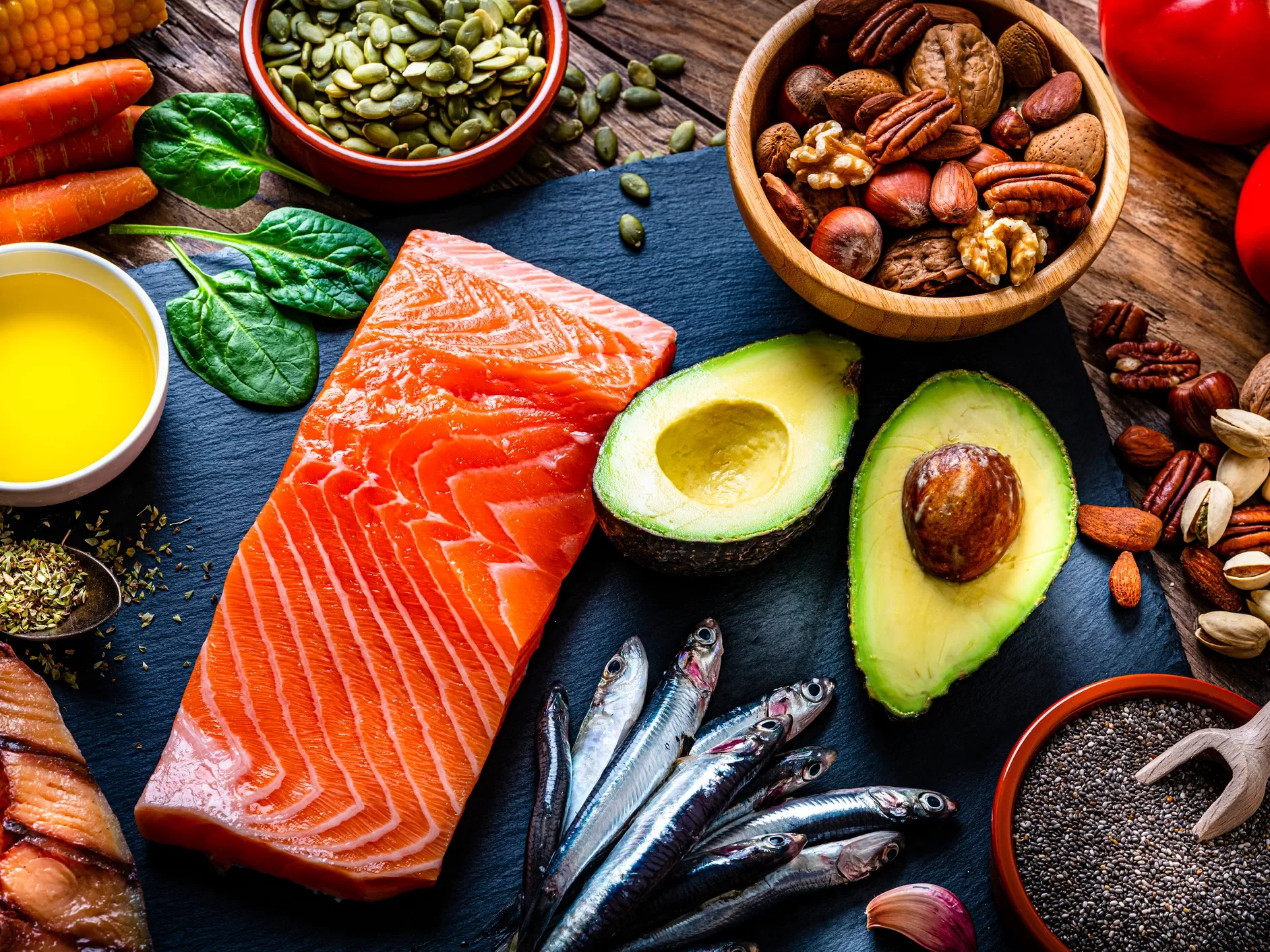
Dieters are instructed to eat meat, low-starch fruits and vegetables, and fat. A typical dinner might include red meat, 1/2 cup of vegetables, 1/2 cup of salad, and 1/2 an apple. Carbohydrates include oranges, peaches, and pears as well as broccoli, cauliflower, and other vegetables that grow above the ground. Milk should be avoided as well as starches such as pasta, cookies, breads, and cakes.

Foods to include:

  • Low-starch vegetables

  • Low-starch fruits

  • Meat

  • Poultry

  • Fish

  • Eggs

  • Butter and cheese

  • Nuts and seeds

  • Healthy oils

Foods to avoid:

  • High-starch vegetables

  • High-starch fruits

  • Grains

  • Quinoa

  • Sugar

  • Trans fat

  • Processed foods

Pros:

  • Quick weight loss in some cases

  • May reduce diabetes

  • May lead to increased energy

Cons: 

  • Some thrive and maintain weight while eating carbs

  • Avoiding carbs may lead to cravings and binges

  • May lead to high-cholesterol and heart conditions

Source:

Low-Carb, High-Fat Diet Drops Weight www.webmd.com (Links to an external site.)
High Fat diet? www.ivanhoe.com (Links to an external site.)
High Protein, High Fat, Low Carbohydrate Diets: New Is Old – Really Old www.femalemuscle.com (Links to an external site.)

High-protein Diet

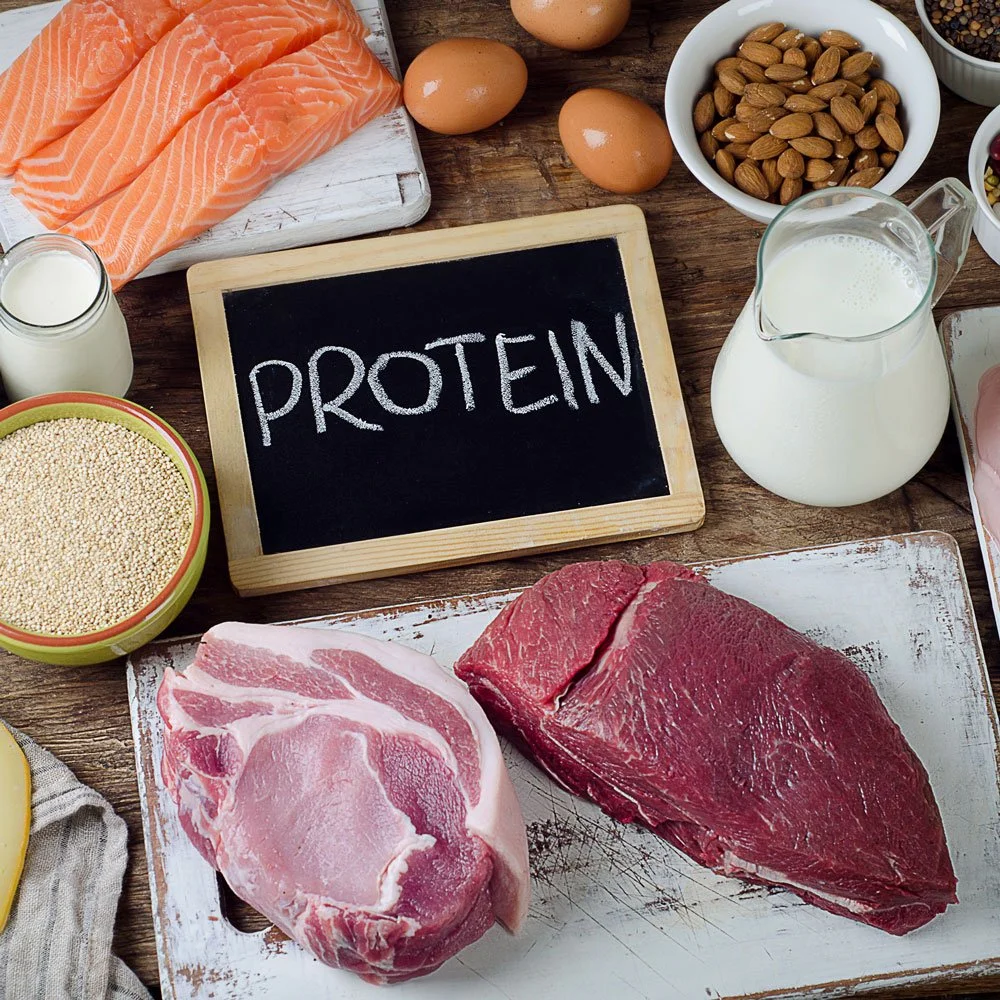
High-protein diets are thought by some to satisfy hunger longer than high-carbohydrate diets due to the fact that protein digests more slowly and requires more energy to break down. An increase in protein combined with a reduction in carbohydrates has been known to stabilize blood sugar levels. Lean protein also helps build muscle mass, which in turn burns fat. Protein may reduce hunger as well as overall calorie consumption since dieters will avoid the blood sugar spike and crash (and often binge) that carbs can cause.

Many studies on high-protein diets are based on increasing protein intake to 30% of daily calories. For the average woman, a high-protein diet would consist of about 40-200 grams of protein per day, depending on the woman’s weight and her total amount of calories consumed.

Many high-protein foods are also high in fat and cholesterol, so it may be important for some to choose lean protein sources such as seafood, lean meat, beans, dairy, and vegetables.


Foods to include:

  • Vegetables

  • Fruit

  • Meat

  • Poultry

  • Fish

  • Beans

  • Dairy

Foods to avoid:

  • All grains

  • White potatoes

  • Sweet potatoes

Pros:

  • Quick weight loss in some cases

  • May prevent binges by stabilizing blood sugar

  • May lead to increased energy

Cons:

  • Some may gain weight from excess protein

  • Liver health may be compromised by excess protein

  • Avoiding sweet vegetables may lead to strong sugar cravings


Sources:

High-Protein Diet for Weight Loss www.webmd.com
Are high-protein diets safe for weight loss? www.mayoclinic.com