
he HCG Diet was created in the 1950s by Dr. Albert Simeons, a British endocrinologist who believed that this hormone could help men and women lose weight by releasing the calories in stored fat. Human chorionic gonadotropin, or HCG, is a hormone produced in the placenta during pregnancy. It ensures that the fetus receives ample nutrients during its development by utilizing stored fat in the mother’s body. In the HCG Diet, this hormone is administered along with an extremely calorie-restricted diet in order to redirect the body to use its fat stores for energy.
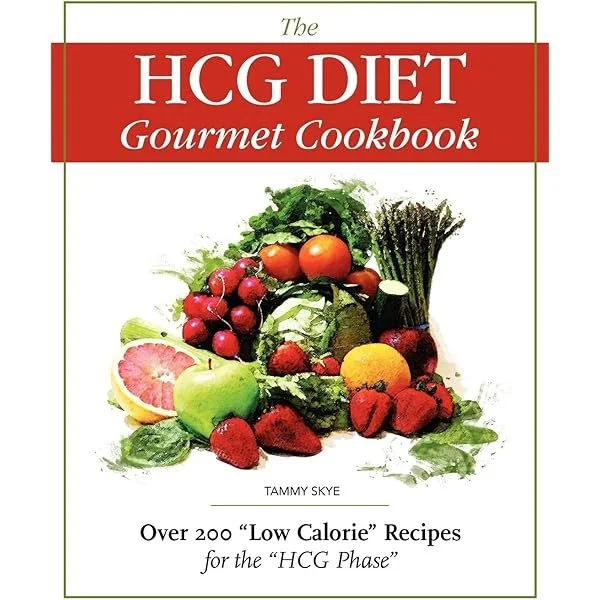
The plan is broken up into three phases, with Phase 1 being the Loading stage. This two-day phase focuses on taking in as much food as desired to load up on nutrients and energy, which will sustain the dieter through the next phase.
Phase 2 is called Maintenance/Calorie Restriction. This phase, which usually lasts about one to two months, involves extreme calorie restriction and the administration of HCG to tap into body fat stores for energy.
During this phase, dieters reduce caloric intake to 500-800 calories a day with regular doses of HCG, and drink only unsweetened, caffeine-free liquids. It’s advised to eat 200 grams of lean protein each day, and only eat specific low-carb vegetables such as celery, cabbage, chard, kale, asparagus and tomatoes. Dieters should eat one portion of fruit for dessert to curb sweet cravings, such as an apple, orange, grapes, or strawberries.
Phase 3 is Stabilization. This 21-day phase is designed to help the dieter return to a more normal eating pattern. It’s advised to increase caloric intake to 800 for women and 1000 for men at this point, and to start to implement an exercise routine.
During all phases, consumption of at least two liters of water daily is required. Exercise should be minimal and limited to a brisk walk. Like most diets, this regimen should be monitored by a professional healthcare practitioner.
Foods to include:
Low-starch vegetables
Low-starch fruit
Lean protein
Caffeine-free beverages
Foods to avoid:
Carbohydrates
Sugar
Fat
Caffeine
Pros:
HCG may suppress appetite and minimize cravings
HCG in conjunction with low calorie diet may induce rapid weight loss
Most may benefit from the elimination of sugar and caffeine
Cons:
HCG may cause side effects like headaches, blood clots, leg cramps and constipation
Extreme caloric restraints may be unsustainable and possibly dangerous
Does not consider bio-individualty
Quality of HCG sold on the internet and in other loosely regulated markets may be questionable
Sources:
HCG Diet Plan www.hcgforweightloss.org
HCG Triumph www.hcgdiet.com
HCG Diet Dangers: Is Fast Weight Loss Worth the Risk? www. usnews.com