Traditional Chinese Medicine

Traditional Chinese Medicine (TCM) is rooted in the ancient philosophies of Taoism and has existed, virtually unchanged, for centuries.
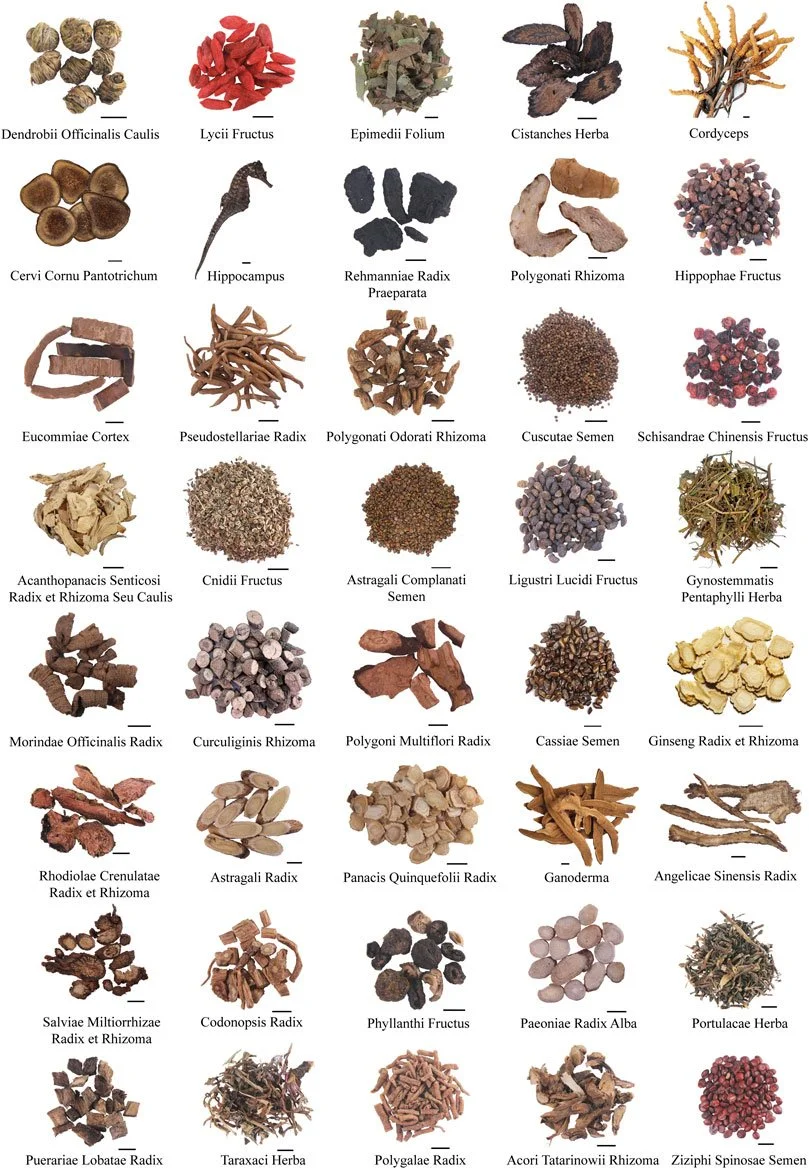
In TCM, how you eat is just as important as what you eat. A very healthy food eaten quickly could be detrimental to digestion, for example. Foods are known to have energetic properties that can significantly impact the way the body feels during and after eating. For example, cold foods are said to weaken the digestive system. This thinking emphasizes the importance of food energetics, and our connection to the earth.

With the yin-yang theory at its core, TCM teaches eight principles to interpret symptoms and identify conditions. These eight principles are used in conjunction with the Five Element Theory (earth, metal, fire, water, and wood) to analyze how the body works. 


Eight Principles:

  • Cold/heat

  • Interior/exterior

  • Excess/deficiency

  • Yin/yang

TCM aims to keep the body in balance throughout the year, even as seasons and climates change. If a person is sick, it’s believed that there’s a disturbance in their energetic force. This energetic force is called “qi” – pronounced “chee.” Each individual has their own constitution and condition – their qi when they were born, and how it developed as they grew up. This means that everyone has different requirements when it comes to food energetics. For example, some types will thrive on a lot of raw food, while others need cooked food to feel grounded.

Environment plays a crucial role in how energetic forces in the body interact and react. This isn’t limited to the weather outside, but also includes indoor temperatures, where air conditioners and heaters come into play. In TCM it’s encouraged to chew food very well, only eat until 80% full, avoid external stressors when eating, refrain from eating within three hours of bedtime, and eat lightly cooked foods when possible. Of course, all of these recommendations are based on one’s constitution and condition, and can be tailored accordingly. Within TCM, various therapies are used to manage health and treat illnesses. The most common include herbal remedies, acupuncture, Chinese massage, qi gong and tai chi.

 Foods to include:

  • Fresh and fermented vegetables

  • Minimal fruits

  • Whole grains

  • Beans

  • Fermented soy

  • Meat

  • Poultry

  • Fish

  • Nuts and seeds

  • Oils

Foods to avoid:

  • Very cold foods

  • Desserts

  • Dairy

  • Fried foods

  • Very spicy foods

Pros:

  • Encourages whole foods

  • Could be sustainable lifestyle

  • Honors primary food

Cons:

  • Some thrive on dairy

  • May be difficult for some to avoid fried foods

  • Some benefit from spicy foods

Sources:

The ABC’s of Traditional Chinese Medicine www.acupuncturetoday.com 
Traditional Chinese Medicine www.nccam.nih.gov 
Traffic Light Diet

Also referred to as the Stop Light Diet, the Traffic Light Diet is an 8-week program created by Leonard H. Epstein for use in his childhood weight management research. In addition to nutrition guidelines, this diet approach sometimes includes therapy and family-based communication components, depending on the setting and healthcare professionals involved. The goal of the Traffic Light Diet is to provide optimal nutrition while keeping calories to a minimum.

Foods are divided into five main categories

  • fruits and vegetables

  • grains

  • milk and dairy

  • protein

  • other

Foods are also color-coded according to caloric-density per average serving

  • Green foods contain less than 20 calories per average serving

  • Yellow foods are moderate in calorie density.

  • Red foods are high in fat and added sugars.

  • Examples of green foods are fruits and vegetables, lean protein, whole grains, and low-fat dairy products. Yellow foods include red meat, potatoes, popcorn, and snacks like granola bars. Red foods include French fries, candy, and refined baked goods, to name a few.

Those on the Traffic Light Diet are advised to consume 900-1,200 calories daily, depending on their physical status as determined by a healthcare professional. Goals of the diet include remaining within the prescribed calorie range and eating no more than four red foods per week. After the initial, somewhat extreme phase of the diet, participants are provided instructions by a healthcare professional to develop a maintenance calorie level, which involves gradually increasing the diet by 100 calories each week until weight gain occurs.

 Foods to include:

  • Vegetables

  • Fruits

  • Whole grains

  • Beans

  • Lean protein

  • Low-fat dairy

Foods to avoid:

  • High-fat and sugar foods in excess

  • Processed foods in excess

Pros:

  • Diet has shown to promote child and adult weight-loss in clinical settings

  • Rules and color-coding are easy-to-follow

Cons:

  • No physical activity component included

  • No foods are completely off limits

 Sources:

The Traffic Light Diet and Treating Childhood Obesity www.andevidencelibrary.com

UltraMetabolism Diet

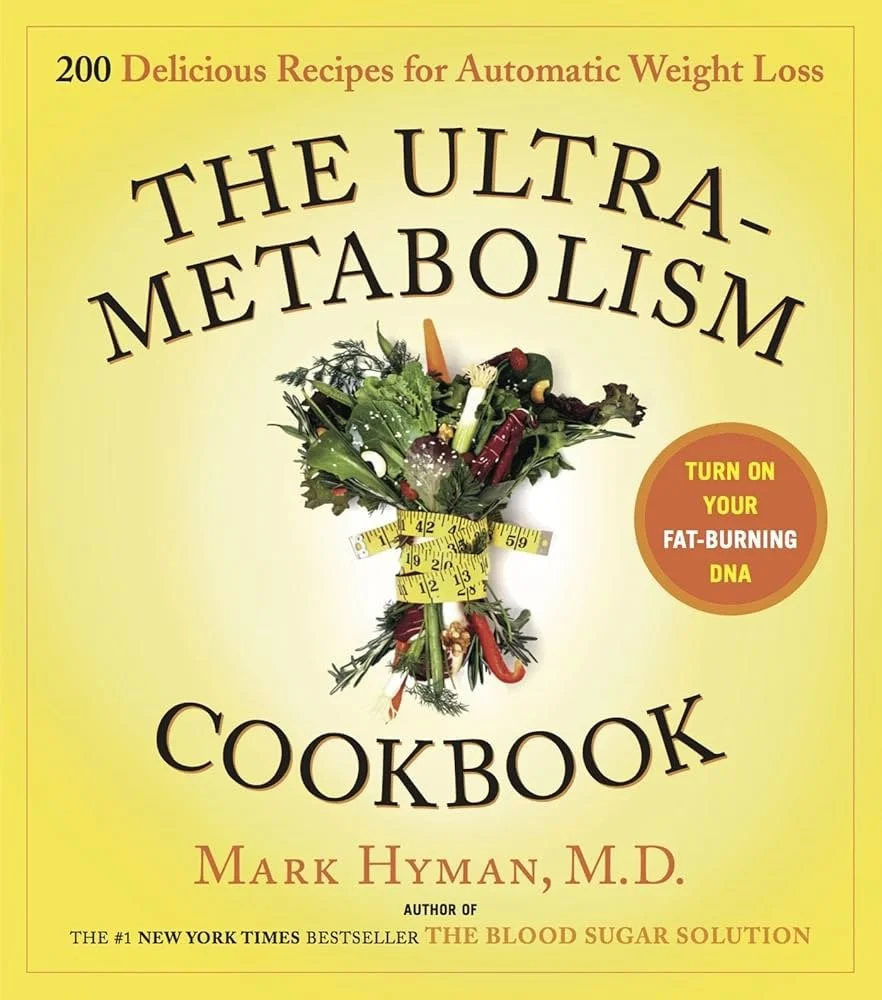
In The Ultrametabolism Diet, Mark Hyman, MD, introduces a diet about food choice and how it relates to nutrigenomics – the relationship between an individual’s genes and the food they eat. The objective is to understand and monitor the connection between what you eat and how you feel. With an emphasis on wholesome, unprocessed foods, physical activity, and stress reduction, The Ultrametabolism Diet aims to detoxify the body and control appetite. Dr. Hyman suggests that eating the right foods will naturally prevent overeating, and by eating the wrong foods, we turn on genes that cause inflammation, slow down metabolism, increase appetite, and lead to weight gain and disease.

Before the initial phase of this diet, it’s important to purge your kitchen of all junk food and eliminate sugar, high fructose corn syrup, hydrogenated fats, refined grains, alcohol, and caffeine. There are two phases to this diet. Phase 1 is a three-week detoxification period, which involves removing dairy, wheat, and eggs from the diet. The objective in this phase is to become acquainted with your body and learn about any food allergies.

In Phase 2, you slowly reintroduce foods back into the diet. During this phase it’s important to eat every three hours to boost metabolism and control hunger. Three glasses of alcohol are permitted each week, while half a cup of coffee is allowed daily.

Dr. Hyman teaches seven keys to weight loss: control appetite, reduce stress, manage cellular inflammation, prevent cellular rust, rev up metabolism, optimize thyroid function, and detoxify the liver.

 Foods to include:

  • Vegetables

  • Fruits

  • Whole grains

  • Beans and legumes

  • Soy products

  • Lean meat

  • Lean poultry

  • Lean fish

  • Nuts

  • Oils

Foods to minimize:

  • Processed foods

  • Dairy

  • Wheat

  • Alcohol

  • Caffeine

Pros:

  • Whole foods approach

  • Reducing stimulants may improve nervous system function

  • Removing wheat may bring awareness to an intolerance

Cons:

  • May be difficult for some to follow phase 1

  • Some do well with wheat

  • Soy intolerance is common

 Sources:

7 Keys to Ultrametabolism www.cbsnews.com
The UltraSimple Diet www.drhyman.com

Vegan

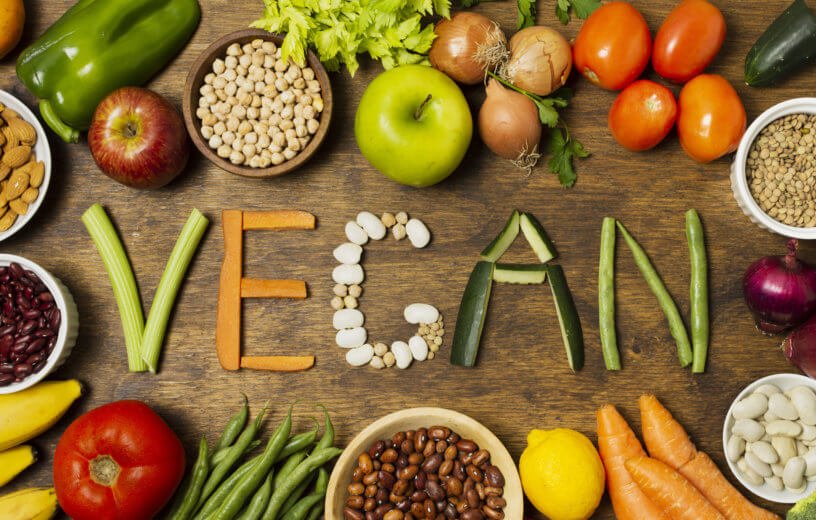
A vegan diet omits all animal products and by-products: meat, poultry, fish, eggs, dairy, honey, leather, fur, silk, and wool. Many vegans avoid cosmetics and soaps derived from animal products, as well as foods processed using animal products such as refined white sugar and some wines. Many vegans do not use products tested on animals.

Ethical commitment, optimal health, and moral conviction are often the main motivations for vegans. Of particular concern to many vegans are the practices involved in factory farming and animal testing, and the intensive use of land and other resources for animal farming, among multiple other environmental concerns. Spiritual and religious matters also often come into play.

The key to well-balanced nutrition on a vegan diet is variety and density. Properly planned vegan diets have been found to satisfy nutritional needs and promote numerous health benefits including a reduced risk of heart disease, colon and lung cancer, osteoporosis, diabetes, kidney disease, hypertension, obesity, and a number of other conditions. 

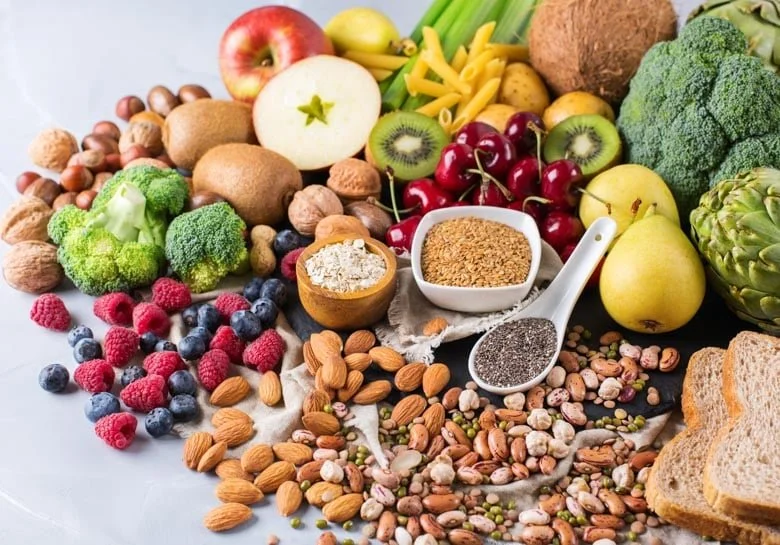
An ideal vegan diet includes fruits, vegetables, whole grain products, nuts, seeds, and legumes. A typical well-planned vegan menu might include grain porridge with fresh fruit for breakfast, a veggie stir-fry with quinoa for lunch, and a bean and vegetable soup with a leafy-green salad for dinner.

Poorly planned vegan diets can be low in vitamin B12 and other vitamins. It’s important to plan meals to include a variety of nutrient-dense foods. When making the transition to a vegan way of eating, many people find it easier to start by eliminating one or two things from the diet and replacing them with healthy vegan alternatives, rather than eliminating all animal products immediately.

Foods to include: 

  • Vegetables

  • Fruits

  • Grains

  • Beans

  • Nuts and seeds

  • Oils

Foods to avoid: 

  • All animal products

Pros:

  • May reduce hypertension

  • May initiate weight loss

  • May improve energy levels

Cons:

  • May cause excessive weight loss

  • May lead to anemia and other nutritional deficiencies

  • May be difficult to dine out

Sources: 

Veganism in a Nutshell www.vrg.org 
Veganism www.vegan.org 

Vegetarian

A Vegetarian diet is a plant-based approach that excludes meat, poultry, and fish. Most vegetarians consume dairy products, and many eat eggs. Those vegetarians who consume both eggs and dairy are referred to as lacto-ovo vegetarians, while those who consume only dairy are lacto-vegetarians. When properly implemented, a vegetarian diet is rich in fruits, vegetables, nuts, seeds, legumes, and whole grains.

The reasons for choosing a vegetarian diet may be related to one or more of the following: morality, religion, culture, ethics, aesthetics, environment, society, economy, politics, taste, and/or health. Many vegetarians are inspired by one of these reasons, and evolve to identify with many or all of them.

Choosing to follow a vegetarian diet may greatly improve one’s health, and properly planned vegetarian diets have been found to satisfy all nutritional needs. Nutritionists recommend including a wide variety of colorful fruits and vegetables in every diet to reap the most health benefits. A nutrient-dense diet boasts lots of fiber and vitamins, as well as cancer-fighting micronutrients like antioxidants. A balanced vegetarian diet is often naturally low in fat and cholesterol, which decreases the risk of heart disease and diabetes. This approach has also been proven to aid in combating obesity and obesity-related diseases.

 Foods to include: 

  • Vegetables

  • Fruits

  • Grains

  • Dairy (optional)

  • Eggs (optional)

  • Beans

  • Nuts and seeds

  • Oils

Foods to avoid:

  • Meat

  • Poultry

  • Fish

Pros:

  • May reduce hypertension

  • May initiate weight loss

  • May improve energy levels

Cons:

  • May cause excessive weight loss

  • May lead to anemia and other nutritional deficiencies

  • May lead to excessive dairy consumption and intolerance

Sources:

The Vegetarian Resource Group www.vrg.org