Volumetrics

The Volumetrics Weight-Control Plan was written by nutritionist Barbara Rolls, PhD and Robert A. Barnett. This approach emphasizes eating fewer calories without having to eat less food. Caloric density is the number of calories contained in a specific food. Since people tend to enjoy eating, this plan encourages dieters to choose foods that have a low calorie density, such as fruits, vegetables, and lean protein, so that they can eat a higher volume without taking in too many calories. These foods tend to be high in water and fiber, contributing to satiety and satisfaction. 
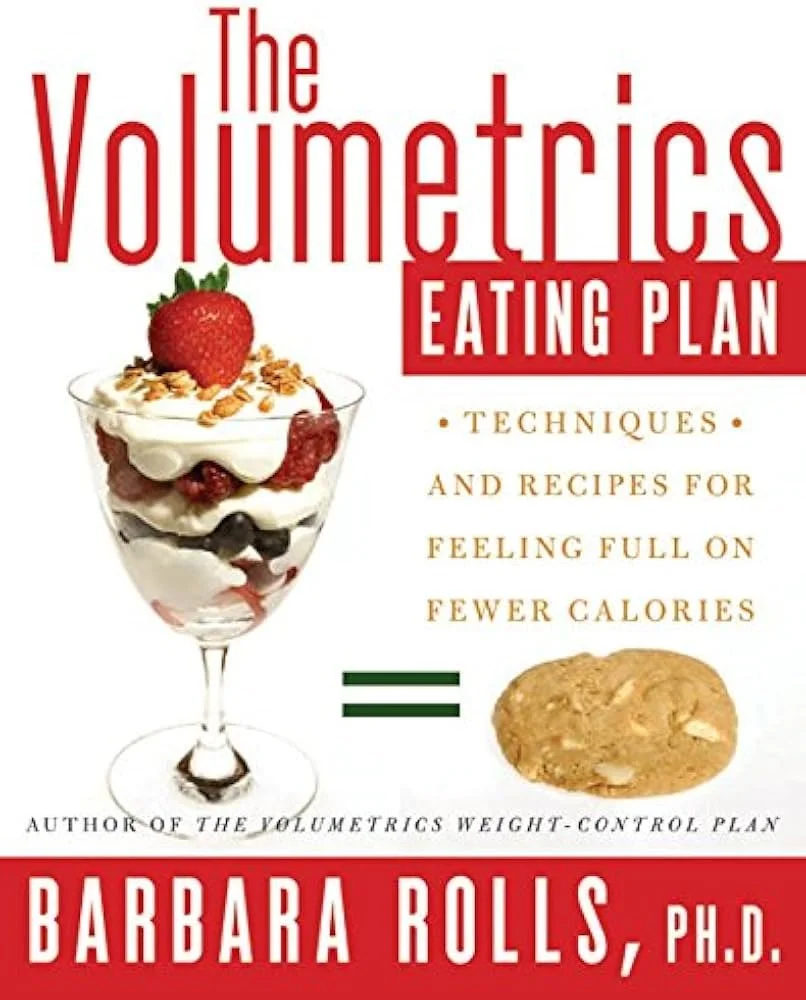
High-density foods are not forbidden, however, followers of this plan are encouraged to eat them sparingly. A perk of this diet is there’s no calorie, fat or carbohydrate counting. However, there must be an awareness of which foods are high and low in density, which is mapped out in Rolls’ The Volumetrics Eating Plan. It’s encouraged to keep a food journal that includes weight tracking. In terms of physical activity, 30-60 minutes of daily exercise is recommended, and walking is highly recommended.

Foods to include:

  • Vegetables

  • Fruits

  • Grains

  • Lean meat

  • Lean poultry

  • Lean fish

  • Fat-free dairy

  • Broths

Foods to avoid:

  • Fried foods

  • Cookies

  • Nuts

  • Butter

  • Oil

Pros: 

  • May lead to weight loss

  • No deprivation

  • Considers primary food

Cons:

  • Some do well on full-fat dairy

  • May lead to low energy

  • May not be specific enough for some to see results

Sources:

The Volumetrics Eating Plan www.volumetricseatingplan.com 
Volumetrics www.health.usnews.com 
Water Diet

The Water diet is based on the basic principle that adding more water into your daily routine may encourage weight loss. The body often mistakes thirst for hunger, and drinking water can act as a mild appetite suppressant. Drinking water also helps flush toxins from the body. Toxins are naturally stored in fat tissue, and as they’re released, the body begins to burn fat. Staying hydrated can also help lower and maintain the body’s natural weight, or set point. In addition to drinking more water, followers of this plan should incorporate a healthy diet that includes water-rich foods, and an exercise plan.

Some say drinking 64 ounces of water daily, or about half of one’s body weight in ounces, is the magic number. A good rule of thumb is to drink two glasses of water at the onset of a craving, then to wait 20 minutes and see if the craving persists. Douglas Silver Porter recommends drinking ½ gallon or 64 ounces of cold (50 degrees Fahrenheit or lower) water each day for the rest of your life. He claims you don’t need to make any other changes to your daily diet or fluid intake. He says it’s okay to drink warm water when feeling cold, but only as an exception. He also advises not adding anything to the water, including ice.

By including 64 ounces of cold water each day, Porter says you can burn up to 4,500 calories yearly, which may result in weight loss, depending on the rate at which your body burns calories. Your body burns calories by heating the water you consume to 98.6 degrees, which is the average body temperature. In addition, each pint of water consumed equals one pound of temporary body weight. While we carry this temporary weight around, our body must burn additional calories to support the weight gain, leading to a net weight loss. This is called the carrier factor.

There are some points of concern when it comes to consuming a lot of water. The kidneys need to work extra hard to process the additional liquid intake, and edema or other illness may occur, especially in those with heart disease. In addition, drinking too much water may leech important water-soluble vitamins, salts, and minerals from the body. You may also feel bloated at first from the additional liquid intake, and trips to the bathroom will become far more frequent. Lastly, having cold water in the morning may shock the system, whereas room temperature water may be gentler on the body.

Foods to include:

  • Vegetables

  • Fruits

  • Whole grains

  • Lean meat

  • Poultry

  • Fish

  • Beans

  • Dairy

  • Nuts and seeds

  • Oils

Foods to avoid:

  • Processed foods

  • Refined grains

  • Sugar

  • Trans fats

Pros:

  • May greatly reduce cravings

  • May lead to weight loss

  • May improve circulation

Cons:

  • May lead to edema

  • May leech important vitamins and minerals from the body

  • May cause bloating

Sources:

The Water Diet www.mentock.com 
Blake Sylvia Pens Weight Control Book www.banderasnews.com 
The Water Diet www.thewaterdiet .org

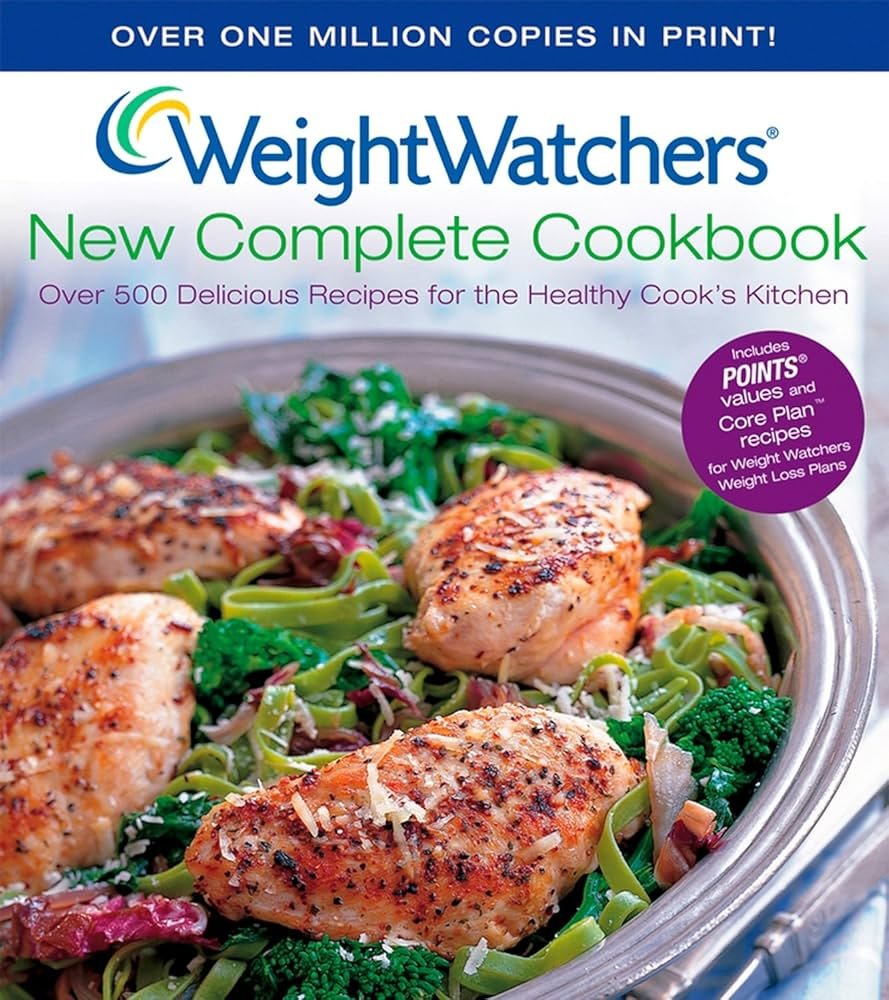
Weight Watchers

The Weight Watchers mission is to “help people lose weight in a sustainable way by helping them adapt a healthier lifestyle and a healthier relationship with food and activity.” Weight Watcher’s scientific, holistic approach is based on healthy weight loss, practical tips, and informed choices. You can expect to lose 1-2 pounds a week, and receive food recommendations based on science. This plan incorporates exercise and looks at behavior and home and work environments. It’s presented as very practical since the realistic tips and incremental weight loss goals can easily be integrated into one’s life.

Weight Watchers has changed its method over the years and introduced its most recent version, PointsPlus, in November 2010. With the PointsPlus system, each member is given a budget of food “points” to consume each day. A person’s points budget is determined based on their weight, height, gender, age, and activity level. This budget is adjusted as a person loses weight. The point value of a food is based on a complex formula that considers the calories, fat, protein and dietary fiber as well as the following influential factors:

  • Conversion cost: Certain types of foods such as protein and complex carbohydrates require more energy to digest and assimilate than refined carbohydrates and fats.

  • Energy density and satiety: Because research shows that we tend to eat the same volume of foods each day, we should focus on foods that lend a greater feeling of fullness and satiety with less calories, such as vegetables, low-glycemic fruits, lean protein, and beans.

  • Complexity of choice: They “do the homework for you” by offering a plan that automatically sifts through the confusing media messages we receive about nutrition fads.

  • Empty calories: A 100-calorie apple does not have the same nutrition value as a 100-calorie cookie.

The PointPlus program offers pay-as-you go or monthly plans for in-person meetings that involve confidential weigh-ins and group support. A Weight Watchers Online subscription allows members to follow the program using interactive online tools that provide meal planning, recipes, exercise demonstrations, and weight monitoring.

Foods to include:

  • Vegetables

  • Fruits

  • Whole grains

  • Lean meat

  • Lean poultry

  • Fish

  • Beans

  • Dairy

  • Nuts and seeds

  • Oils

Foods to avoid:

  • Processed food

  • Refined carbohydrates

  • Refined sugar

  • Fried foods

Pros:

  • Sustainable lifestyle

  • Easily accessible; multiple locations and online access

  • Support through groups

  • Numerous well-developed tools and resources

  • Focuses on and celebrates small, achievable goals

  • Encourages slow, sustained weight loss; no more than 2 pounds per week

Cons:

  • Weekly weigh-ins may cause anxiety and disordered behavior in some

  • Lifelong points counting may be unrealistic

  • Certain foods are assigned points value of 0

(ex. 0 points for fruit; overconsumption could lead to blood sugar spike)

Sources:

Weight Watchers www.weightwatchers.com 
The Four Pillars of a Science-Based Approach www.weightwatchers.com
PointsPlus 2012 www.weightwatchers.com 

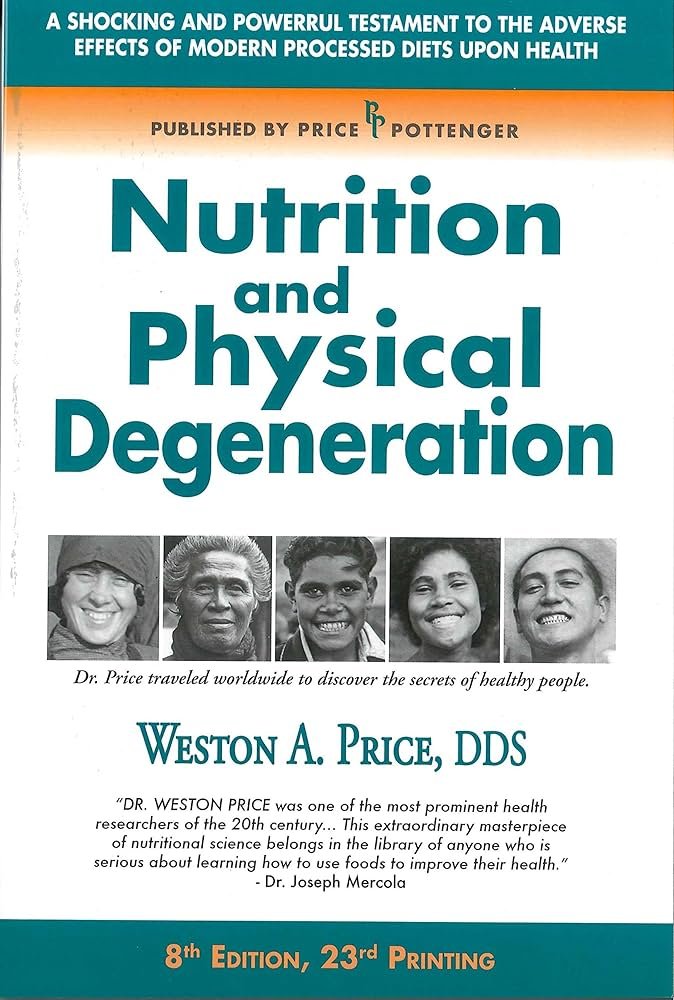
Weston A. Price Foundation Diet

The Weston A. Price Foundation Diet is a traditional diet based on foods that people have been eating for over 400 years.

The organization was founded by Weston Price, DDS, with the intention of spreading the dietary approach of our ancestors to the masses. Dr. Price’s research shows that people reach optimal health by eating nutritious, whole foods with an emphasis on animal fats for their ability to make vitamins and nutrients more available to the body.

The broad Weston A. Price guideline is to eat whole, unprocessed foods. Followers of this lifestyle approach eat pastured meat, poultry, dairy, eggs, wild fish, full-fat, often cultured or fermented dairy products, animal fats, traditional vegetable oils, organic fruits and vegetables (including fermented dishes), soaked and/or sprouted whole grains, legumes, nuts, and homemade meat, poultry, and fish stocks. Unrefined salt, pepper, herbs, and spices are recommended to stimulate the appetite and make food taste good.

Cod liver oil is also core to this diet. Natural sweeteners like raw honey, maple syrup, and date sugar should be used in moderation. Unpasteurized wine and beer should be consumed infrequently with meals.
Outside of food, guidelines include only cooking in cast iron, stainless steel, glass, or enamel, and using only food-based supplements, getting enough sleep, sunlight, exercise, and keeping a positive mindset.

Foods to include:

  • Vegetables

  • Fruits

  • Whole grains

  • Pastured meat

  • Pastured poultry

  • Wild fish

  • Pastured eggs

  • Beans

  • Pastured dairy

  • Nuts and seeds

  • Healthy oils

Foods to avoid:

  • Sugar

  • Processed foods

  • Refined grains

  • Trans fats

  • Low-fat and non-fat dairy products

  • Commercial meat, poultry, eggs, and dairy

  • Farm-raised fish

  • Commercial vegetable oils

  • Jerky

  • Canned fruits and vegetables

Pros:

  • Can be a lifestyle rather than a diet

  • Wide range of nutrients and flavors

  • Less restrictive than many diets

  • May lead to weight loss

  • Heals hormonal health for some

Cons: 

  • Challenging for vegans and vegetarians

  • Some people can’t tolerate dairy

  • Some may require more structure to reach goals

Sources:

The Weston A. Price Foundation www.westonaprice.org 

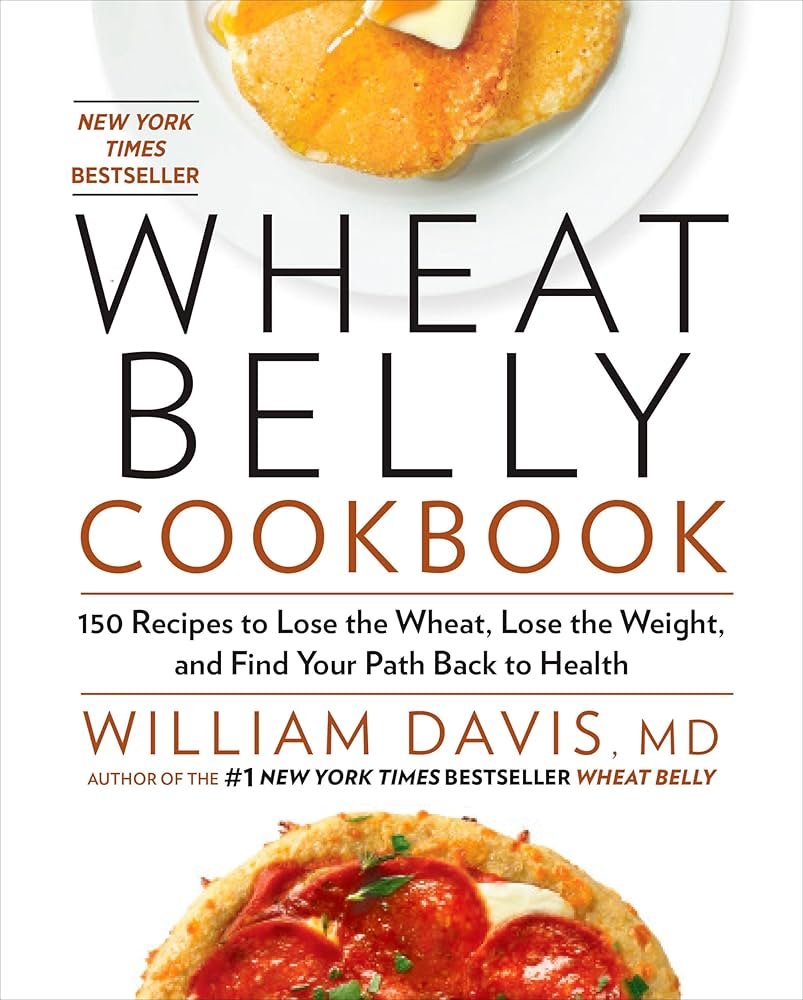
Wheat Belly Diet

The Wheat Belly Diet, created by cardiologist William Davis, is based on the premise that wheat is one of the main culprits responsible for weight gain and a host of other issues. In his book Wheat Belly: Lose the Wheat, Lose the Weight, and Find Your Path Back to Health, he discusses a variety of conditions that may be alleviated or cured by eliminating wheat from the diet: autism, celiac disease, diabetes, high cholesterol, arthritis, digestive disorders, sleep disorders, immune problems, and ADHD, among others.

According to Davis, the regular consumption of wheat causes blood sugar and insulin levels to repeatedly spike and then fall. These extremes may lead to excessive cravings and promote fat storage. He outlines the history of wheat and the way it’s been genetically modified over time. This diet is especially designed for people who wish to lose weight in the midsection, an important region since visceral fat lining the organs here has been linked to serious health risks. 

Foods to include:

  • Vegetables

  • Fruits in moderation

  • Gluten-free grains, such as quinoa and brown rice

  • Legumes in small portions

  • Meat

  • Poultry

  • Fish

  • Dairy

  • Nuts and seeds

  • Eggs

  • Olive and coconut oil

Foods to avoid:

  • All gluten

  • White potatoes

  • Processed foods

  • Sugar

Pros:

  • May alleviate lifelong ailments

  • May lead to weight loss

  • May improve cognitive function

Cons: 

  • Often is a fad diet; unnecessary for some followers

  • May lead to overconsumption of processed gluten-free products

  • May lead to weight gain

Sources: 

Wheat Belly Diet
The Wheat-Free Diet http://www.health.lifegoesstrong.com