
The Wheat Belly Diet, created by cardiologist William Davis, is based on the premise that wheat is one of the main culprits responsible for weight gain and a host of other issues. In his book Wheat Belly: Lose the Wheat, Lose the Weight, and Find Your Path Back to Health, he discusses a variety of conditions that may be alleviated or cured by eliminating wheat from the diet: autism, celiac disease, diabetes, high cholesterol, arthritis, digestive disorders, sleep disorders, immune problems, and ADHD, among others.
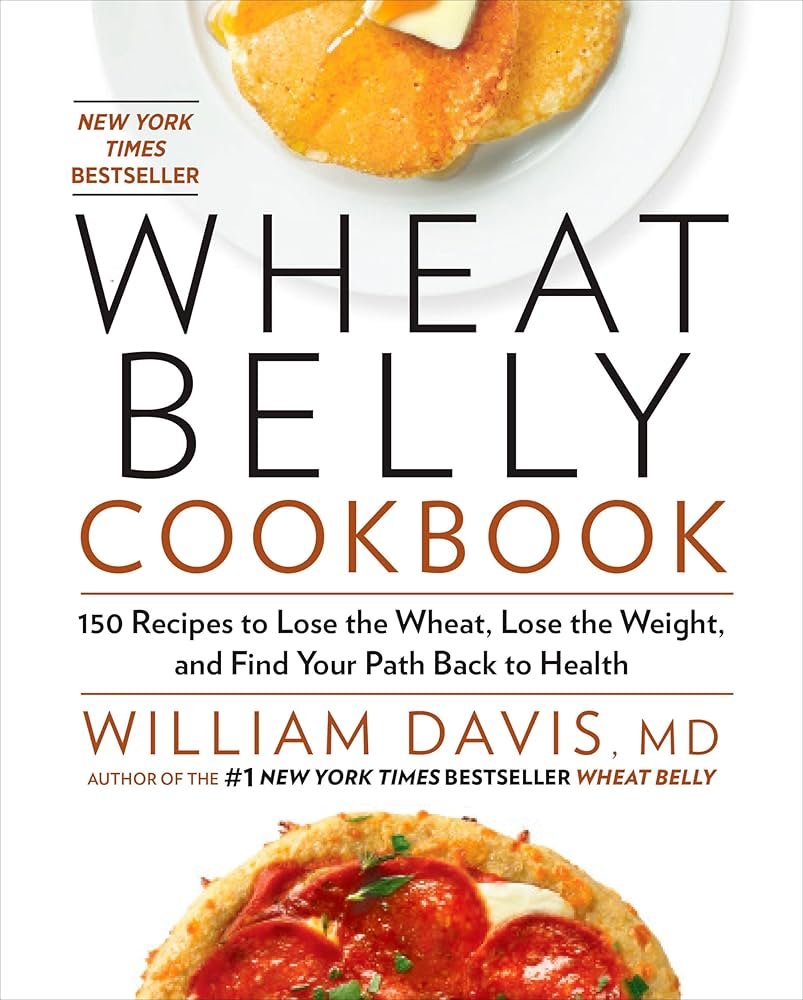
According to Davis, the regular consumption of wheat causes blood sugar and insulin levels to repeatedly spike and then fall. These extremes may lead to excessive cravings and promote fat storage. He outlines the history of wheat and the way it’s been genetically modified over time. This diet is especially designed for people who wish to lose weight in the midsection, an important region since visceral fat lining the organs here has been linked to serious health risks.
Foods to include:
Vegetables
Fruits in moderation
Gluten-free grains, such as quinoa and brown rice
Legumes in small portions
Meat
Poultry
Fish
Dairy
Nuts and seeds
Eggs
Olive and coconut oil
Foods to avoid:
All gluten
White potatoes
Processed foods
Sugar
Pros:
May alleviate lifelong ailments
May lead to weight loss
May improve cognitive function
Cons:
Often is a fad diet; unnecessary for some followers
May lead to overconsumption of processed gluten-free products
May lead to weight gain
Sources:
Wheat Belly Diet
The Wheat-Free Diet http://www.health.lifegoesstrong.com