
The Integrative Nutrition Diet, created by IIN’s founder and director, Joshua Rosenthal, MScEd, promotes eating healthy foods most of the time (90% of the time) and eating less healthy foods on occasion (10% of the time). There is no set plan for this diet, and it’s easy to follow.
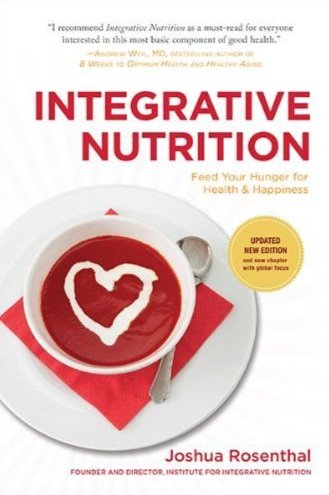
General food recommendations include more fruits and vegetables with a focus on sweet vegetables like carrots, onions, and sweet potatoes, to satisfy sugar cravings. Whole grains are also encouraged, along with beans and lots of water. The concept that overrides any specific food recommendation is bio-individuality: one person’s food is another person’s poison, and no one diet will work for everyone. Experimentation is required to discover what works best for the individual.
Lifestyle recommendations include increasing home-cooked meals, engaging in physical activity, doing fulfilling work, developing spirituality, and fostering healthy, supportive relationships. When all of these areas are balanced, the body will heal itself by itself. Toxic relationships, unhealthy habits, and stress should be minimized.
Pay attention to emotions surrounding food and notice what makes the process of eating enjoyable. Do certain emotions lead to certain food choices? Food journals can be an effective tool in the 90/10 Diet.
Foods to include:
Vegetables
Fruits
Whole grains
Meat
Poultry
Fish
Eggs
Beans
Dairy
Nuts and seeds
Healthy oils
Foods to avoid:
Sugar
Processed foods
Refined grains
Trans fats
Caffeine
Tobacco
Pros:
Can be a lifestyle rather than a diet
Wide range of nutrients and flavors
Less restrictive than many diets
Cons:
Some may require more strict guidelines to see results
Might not work for those with allergies
Food journals may lead to obsessive behavior
Sources:
Joshua Rosenthal’s Integrative Nutrition: Feed Your Hunger for Health and Happiness