
In the North American industrial food system, the average distance from food source to plate is 1,500 miles. The 100-Mile Diet refers to the production, purchasing, and consumption of food all within a 100-mile radius of the consumer’s residence. The phrase was coined in 2005 by James MacKinnon and Alisa Smith, two Canadians who embarked on a one-year experiment of only eating food produced no farther than 100 miles from their home – including all meat and dairy.
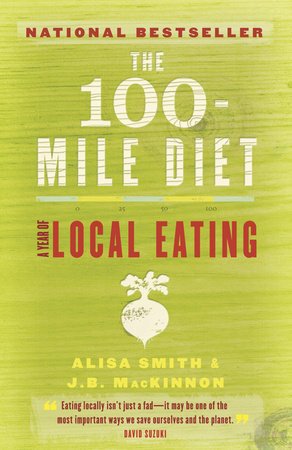
For James and Alisa, the purpose of following this diet was to reduce their ecological footprints and support local farming communities. Today, the couple no longer follows the diet, but tries to eat locally grown food as much as possible. Nowadays, the common term for an individual primarily eating local food is “locavore.” People all across the United States are engaging in this practice. Eating locally is gaining momentum with the rapid growth of farmers’ markets and community supported agriculture.
Foods to include:
Vegetables
Fruits
Whole grains
Meat
Poultry
Fish
Eggs
Beans
Dairy
Nuts and seeds
Healthy oils
Foods to avoid:
Food produced more than 100 miles from your location
Processed foods
Trans fats
Pros:
Supports the local economy
Fresher produce
Food ripens naturally
Better for air quality and pollution
Supports responsible land development
Less pesticides and other toxins
Cons:
Local food not always readily available, especially in colder seasons
Diet may be narrow in some seasons
Some may be allergic to certain seasonal foods
Sources:
Alisa Smith’s The 100-Mile Diet: A Year of Local Eating
Living on the 100-Mile Diet www.thetyee.ca
Alisa Smith and James MacKinnon chew the fat on their 100-mile diet www.grist.org
Local-Food Movement: The Lure of the 100-Mile Diet www.time.com
10 Reasons to Eat Local Food www.lifebeginsat30.com
An Overview of the 100-Mile Diet www.ecolife.com