
8 Minutes in the Morning Diet

8 Minutes in the Morning was designed by Jorge Cruise, who specializes in programs for busy individuals. This diet focuses on exercise for weight loss. Jorge suggests setting aside eight minutes each morning to do a series of recommended exercises to lose up to two pounds per week.

Jorge recommends just two exercises every morning to set your metabolism high for the rest of the day. The regimen requires small weights – usually five to ten pounds – and involves basic strength exercises. Each exercise focuses on a different group of muscles each day of the week, ensuring total body toning and variation.

The goal is to build lean muscle mass to boost metabolism and burn fat. The diet incorporates whole foods and focuses on portion control. There are also visualization and writing exercises to work through emotional eating triggers.

 Foods to include:

  • Vegetables

  • Fruits (moderate amounts)

  • Whole grains

  • Meat

  • Poultry

  • Fish

  • Eggs

  • Beans

  • Dairy

  • Nuts and seeds

  • Healthy oils

Foods to avoid

  • Refined grains

  • Sugar

  • Trans fats

  • Processed foods

Pros:

  • No food is off-limits

  • Great for beginners who are just starting an exercise routine

  • Considers primary food

Cons:

  • Can be misleading: strength training exercises only take eight minutes, but additional exercise is recommended (30 minutes per day)

  • May not work for more experienced exercisers

  • Dairy will not work for everyone

Sources:

Why Aerobics Is Not the Most Effective Exercise www.harpercollins.com
Jorge Cruise www.jorgecruise.com 
Jorge Cruise’s 8-Minute Get Trim Workout www.oprah.com 


17 Day Diet

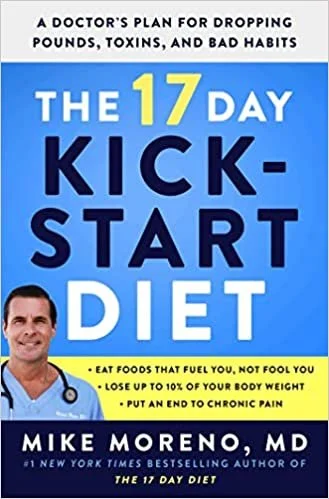
San Diego-based physician Mike Moreno, MD, is the author of the 17 Day Diet: A Doctor's Plan Designed for Rapid Results. In this diet, there are three cycles that last 17 days each, and one, long-term maintenance cycle. The reason behind the 17-day cycle is to prevent forming a habit. The goal is to change up your plan before your body falls into a routine, and therefore eliminate the plateau effect that many people face with diets.

The first cycle involves a 1,200-calorie-per-day restriction plan, stimulating fat metabolism, loss of water weight, and promoting a general cleanse from the usual unhealthy diet. The second cycle alternates high and low daily calorie allowances to keep the body’s metabolism active. The third cycle involves a less restrictive diet to slow weight loss and prepare the body for maintenance. The last cycle focuses on maintenance and long-term results, and includes designated cheat days.

There is a focus on consuming Greek-style yogurts and kefir to improve digestion and help with weight loss. No fruit or starchy carbohydrates are allowed after 2pm since Dr. Moreno believes that the body may not use them as readily for energy, and store them as fat instead.

 Foods to include:

  • Vegetables

  • Low-sugar fruits

  • Whole grains

  • Lean meat

  • Lean poultry

  • Lean fish

  • Eggs

  • Beans

  • Yogurt

  • Nuts and seeds

  • Healthy oils

Foods to avoid:

  • Sugars

  • Processed foods

  • Refined grains

  • All dairy except yogurt

  • Trans fats

  • High-salt foods

Pros:

  • Emphasizes sustained weight loss

  • Simple meal plans and recipes to follow

  • Quick weight loss in some cases

  • Supports healthy intestinal bacteria

Cons:

  • Extreme restriction makes it difficult for some to follow

  • Only minor scientific data suggests that cycling food intake promotes weight loss

  • May lead to extreme, unwanted weight loss

 Sources:

Mike Moreno’s The 17 Day Diet: A Doctor's Plan Designed for Rapid Results
17 Day Diet Review
www.webmd.com 
17 Day Diet: Dr Michael Moreno's Plan for Weight Loss in Four Cycles Goes Viral www.abcnews.com
The 17 Day Diet www.17daydiet.com


20/20 Diet

Phil McGraw, PhD, better known as Dr. Phil, is a psychologist, the host of the daytime talk show of the same name, and the author of the 20/20 Diet.

The 20/20 Diet singles out 20 specific foods shown to increase thermogenesis, which can help increase metabolism and support weight loss. These foods help facilitate weight loss by supporting satiety. The 20 foods are almonds, apples, chickpeas, coconut oil, cod, dried plums, eggs, green tea, leafy greens, lentils, mustard, olive oil, peanut butter, pistachios, prunes, raisins, rye, tofu, whey powder, and yogurt.

The diet consists of three phases: The first phase – Boost – lasts for five days, is the most restrictive, and includes only 20 foods. Phase 2 – Sustain – includes a wider variety of whole foods but recommends that at least two foods from the 20/20 list are included at each meal. Phase 3 – Attain – sticks to the same main foods but allows dieters to include one or two “sensible splurges” per week.

In each phase, three meals and one snack per day, spaced four hours apart, are recommended. This plan also provides strategies for maintenance and addressing how emotions, behavior, and environments can affect one’s relationship with food.

 Foods to include:

  • Vegetables

  • Fruits

  • Whole grains

  • Poultry

  • Fish

  • Eggs

  • Beans

  • Nuts and seeds

  • Healthy oils

Foods to avoid:

  • Refined grains

  • Added sugar

  • Trans fats

  • Processed foods

Pros:

  • Promotes weight loss

  • Allows for "sensible splurges" once or twice per week

  • Removes highly processed foods

  • Foods aren't eliminated but simply "put off"

Cons:

  • Restrictive

  • Eating every four hours may be difficult for some

  • Requires a good deal of food preparation

Source:

McGraw, Phil. (2014). The 20/20 diet. Los Angeles, CA: Bird Street Books.


90/10 Diet (Integrative Nutrition Diet)

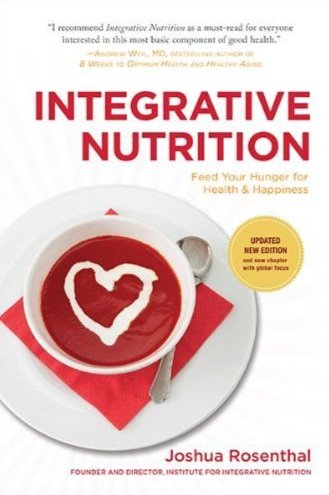
The Integrative Nutrition Diet, created by IIN’s founder and director, Joshua Rosenthal, MScEd, promotes eating healthy foods most of the time (90% of the time) and eating less healthy foods on occasion (10% of the time). There is no set plan for this diet, and it’s easy to follow.

General food recommendations include more fruits and vegetables with a focus on sweet vegetables like carrots, onions, and sweet potatoes, to satisfy sugar cravings. Whole grains are also encouraged, along with beans and lots of water. The concept that overrides any specific food recommendation is bio-individuality: one person’s food is another person’s poison, and no one diet will work for everyone. Experimentation is required to discover what works best for the individual.

Lifestyle recommendations include increasing home-cooked meals, engaging in physical activity, doing fulfilling work, developing spirituality, and fostering healthy, supportive relationships. When all of these areas are balanced, the body will heal itself by itself. Toxic relationships, unhealthy habits, and stress should be minimized.

Pay attention to emotions surrounding food and notice what makes the process of eating enjoyable. Do certain emotions lead to certain food choices? Food journals can be an effective tool in the 90/10 Diet.

 Foods to include:

  • Vegetables

  • Fruits

  • Whole grains

  • Meat

  • Poultry

  • Fish

  • Eggs

  • Beans

  • Dairy

  • Nuts and seeds

  • Healthy oils

Foods to avoid:

  • Sugar

  • Processed foods

  • Refined grains

  • Trans fats

  • Caffeine

  • Tobacco

Pros:

  • Can be a lifestyle rather than a diet

  • Wide range of nutrients and flavors

  • Less restrictive than many diets

Cons:

  • Some may require more strict guidelines to see results

  • Might not work for those with allergies

  • Food journals may lead to obsessive behavior

 Sources:

Joshua Rosenthal’s Integrative Nutrition: Feed Your Hunger for Health and Happiness


100-Mile Diet

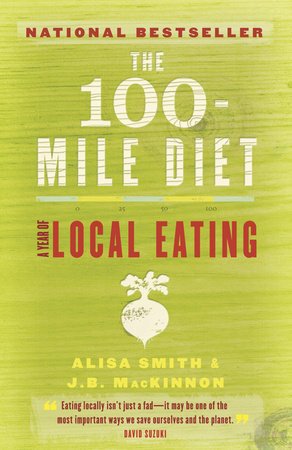
In the North American industrial food system, the average distance from food source to plate is 1,500 miles. The 100-Mile Diet refers to the production, purchasing, and consumption of food all within a 100-mile radius of the consumer’s residence. The phrase was coined in 2005 by James MacKinnon and Alisa Smith, two Canadians who embarked on a one-year experiment of only eating food produced no farther than 100 miles from their home – including all meat and dairy.

For James and Alisa, the purpose of following this diet was to reduce their ecological footprints and support local farming communities. Today, the couple no longer follows the diet, but tries to eat locally grown food as much as possible. Nowadays, the common term for an individual primarily eating local food is “locavore.” People all across the United States are engaging in this practice. Eating locally is gaining momentum with the rapid growth of farmers’ markets and community supported agriculture.

 Foods to include:

  • Vegetables

  • Fruits

  • Whole grains

  • Meat

  • Poultry

  • Fish

  • Eggs

  • Beans

  • Dairy

  • Nuts and seeds

  • Healthy oils

Foods to avoid:

  • Food produced more than 100 miles from your location

  • Processed foods

  • Trans fats

Pros:

  • Supports the local economy

  • Fresher produce

  • Food ripens naturally

  • Better for air quality and pollution

  • Supports responsible land development

  • Less pesticides and other toxins

Cons:

  • Local food not always readily available, especially in colder seasons

  • Diet may be narrow in some seasons

  • Some may be allergic to certain seasonal foods

 Sources:

Alisa Smith’s The 100-Mile Diet: A Year of Local Eating
Living on the 100-Mile Diet
www.thetyee.ca
Alisa Smith and James MacKinnon chew the fat on their 100-mile diet www.grist.org
Local-Food Movement: The Lure of the 100-Mile Diet www.time.com
10 Reasons to Eat Local Food www.lifebeginsat30.com 
An Overview of the 100-Mile Diet www.ecolife.com