Bernstein Diet

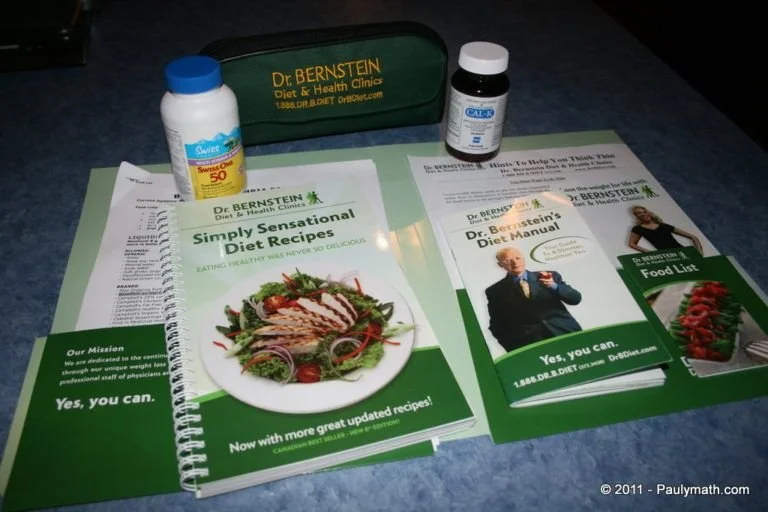
The Bernstein Diet is a clinical diet program created by Stanley Bernstein, MD, a Canadian physician specializing in weight loss programs. This program is medically supervised by registered nurses and medical doctors to ensure a safe weight loss journey.

The Bernstein Diet aims to help participants lose between 4-5 pounds per week by adhering to a low-calorie diet, behavior modification, and vitamin supplementation. Participants are required to visit a Bernstein Diet clinic a minimum of three times per week in order to achieve the best results.

Dr. Bernstein’s approach is centered around stabilizing blood glucose by paying attention to how many carbohydrates you’re eating. His carb breakdown is known as “6-12-12”: 6 grams at breakfast, 12 grams at lunch, and 12 grams at dinner. Meal planning is encouraged in order to hit this goal and food lists are provided.

Foods to include:

  • Vegetables

  • Fruits

  • Limited whole grains

  • Lean meat

  • Lean poultry

  • Lean fish

  • Eggs

  • Beans

  • Low-fat or non-fat dairy

  • Nuts and seeds

  • Healthy oils

Foods to avoid:

  • Refined grains

  • Sugar

  • Trans fats

  • Processed foods

  • Red meat

  • Full-fat dairy products

Pros:

  • Can be a lifestyle rather than a diet

  • Medically supervised

  • Provides counseling and support

Cons:

  • Program may be expensive for some

  • No emphasis on exercise

  • Clients must travel to clinic for visits

Sources:

Dr. Bernstein Diet & Health Clinics www.drbdiet.com
Dr. Bernstein Diet & Beyond www.mayoclinic.com
Bernstein Diet www.everydaydiet.org 


Best Life Diet

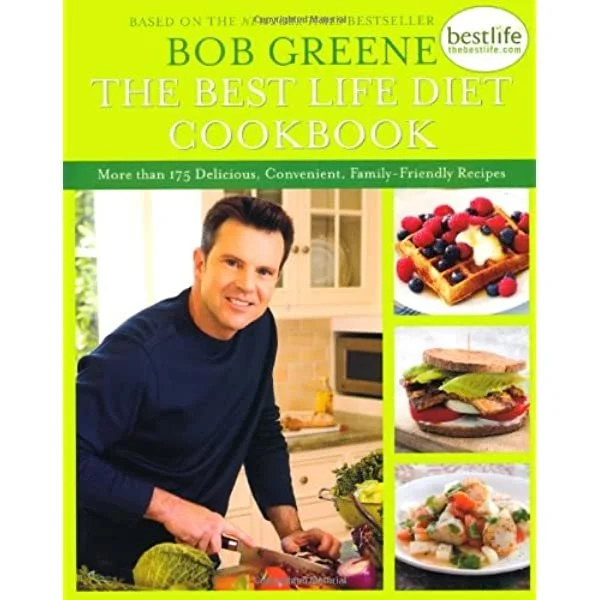
The Best Life Diet is a program created by world-renowned exercise physiologist and physical trainer Bob Greene. The objective is to create gradual lifestyle changes that promote lifelong results while transforming the relationship between food and emotions. This program is designed around Greene’s three-phase approach, intended to instill healthy practices and create balance.

Phase 1, Baby Steps, is designed to prepare the body for weight loss by restructuring eating habits and increasing metabolism. During this period, six problem foods should be eliminated and physical activity should be gradually increased to begin burning calories. This phase should last a minimum of four weeks.

Phase 2, Get Moving, is intended to manage hunger and caloric intake by establishing the link between food and emotions. Physical activity should be increased and special attention should be paid to portion size. This phase should also be continued for a minimum of four weeks.

Lastly, Phase 3, Your Best Life, is the maintenance phase, which should essentially become second nature. During this time, trans fats should be completely eliminated, while sodium, saturated fat, and sugars should be reduced. Physical activity should be increased.

Depending on a person’s age and gender, 1,500-2,500 calories are recommended each day in the form of nutrient-dense foods. Greene has placed his The Best Life Diet seal of approval logo on a variety of food products he recommends.

Foods to include:

  • Fruits

  • Vegetables

  • Whole grains

  • Low-fat dairy

Foods to avoid:

  • Fried foods

  • Refined carbohydrates

  • Soda and other sugary drinks

  • Full-fat dairy

  • Trans fat

Pros:

  • Offers a holistic approach to weight loss and management

  • Encourages a balance between eating healthy and physical activity

  • Promotes bio-individuality

Cons:

  • Does not include specific meal plans, which some dieters might benefit from

  • Book includes frequent name-dropping, compromising its credibility

  • Self-branded foods are promoted, while readers might get the same benefits from generic products

Sources:

Best Life www.thebestlife.com 
The Best Life Diet www.webmd.com 
Bob Greene’s Best Life Diet www.oprah.com
Bob Greene’s Dieting Secrets www.oprah.com
Bob Greene: Eating Habits www.youtube.com 


Biggest Loser Diet

The Biggest Loser Diet was made popular by NBC’s hit reality series The Biggest Loser. The diet is based on calorie restriction, exercise, and The Biggest Loser 4-3-2-1 pyramid. The pyramid guidelines consist of four servings of fruit and vegetables, three servings of lean protein, two servings of whole grains, and one “extra” serving. The objective is to get people in optimal shape by lowering cholesterol, decreasing blood pressure, and increasing energy.

The Biggest Loser Diet is a 12-week program that emphasizes eating foods with a low caloric density and exercising between 30 minutes to one hour each day. The calorie recommendations are determined by weight and range from 1,050 calories for a 150-pound individual to 2,100 calories for a 300-pound individual. There are different meal plans based on individual dietary needs, but the foundation is the same; 45% of daily calories should come from carbohydrates, 30% from protein, and 25% from fat. Dieters should consume a minimum of 48-64 ounces of water each day.

Foods to include:

  • Lean protein

  • Low-fat dairy

  • Whole grains

  • Fruits

  • Vegetables

Foods to avoid:

  • White foods like bread, pasta, and potatoes

  • Processed and refined foods

  • High-sugar juices and dried fruits

  • Saturated fats and trans fats

Pros:

  • Promotes quick and significant weight loss

  • Emphasizes whole foods

Cons:

  • Diet may be too low in calories to practice strength and cardio as recommended

  • Extreme diet and exercise plan can be dangerous for dieters

  • Medical supervision is highly recommended


Sources:

The Biggest Loser Meal Plan www.biggestlosermealplan.com
The Biggest Loser www.biggestloser.com 
Biggest Loser Diet www.health.usnews.com 
The Biggest Loser Club www.biggestloserclub.com


Blood Type Diet

The Blood Type Diet was created by James D’Adamo, ND, DNB, author of One Man’s Food is Someone Else’s Poison, which presents the theory that different people react to food differently based on their blood type.

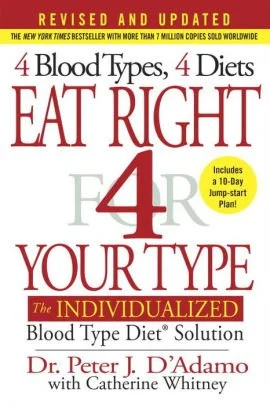
Dr. James D’Adamo’s work was carried on by his son, Peter D’Adamo, ND, who has done a great deal of scientific research to further support the correlation between human blood groups and nutrition. His most popular book, Eat Right 4 Your Type, is a New York Times bestseller.

The principle of this diet is that blood type dictates how we react to different foods and each blood type has certain strengths and weaknesses. Foods are divided into three categories based on blood type: Beneficial, neutral, and avoid. There are four basic blood types: A, B, AB, and O.

People with blood type A are said to have a sensitive immune system and thrive on a vegetarian diet of whole grains, beans, fruits, and vegetables. Foods recommended for blood type A include seafood, soy products, occasional poultry and fish, herbal teas, nuts and seeds, vegetables, fruit, some beans, olive oil, buckwheat, and low-gluten or gluten-free grains. Foods to avoid include processed meats, dairy, and excess gluten.

Blood type B is said to thrive on seafood, goat and cow dairy, lamb, peanuts, pumpkin seeds, vegetables, fruit, some beans, olive oil, and low-gluten or gluten-free grains. B types are encouraged to avoid cured meat, smoked fish, blue cheese, ice cream, brazil nuts, and coconut.

Blood type AB is thought to benefit from oily fish, goat and cow dairy, lamb, turkey, peanuts, walnuts, vegetables, fruit, some beans and legumes, olive oil, and some grains. They are told to avoid corn, barley, buckwheat, cured meat, smoked fish, butter, parmesan and blue cheese, and avocado. People with type AB are thought to have low stomach acid, according to this approach, and should therefore avoid alcohol and caffeine.

Blood type Os are the original hunter-gatherers and are said to thrive on a high-protein diet, light on dairy, beans, and grains. The blood type O plan emphasizes seafood, soy products, lean meat, organ meat, peanuts, vegetables, figs, plums, prunes, some beans, and olive oil. The diet demonizes dairy, gluten, grains, and cured meats like bacon and ham.

The Blood Type Diet says that exercise and spirituality are also related to blood type, and there are recommendations for specific types that are best suited for each type. 

As you can see, this diet mirrors bio-individuality to a certain extent, honoring the notion that different types of individuals require different food and lifestyle approaches. This diet can become quite detailed, so you want to ensure that obsessive behaviors like orthorexia don’t manifest. Remember: It’s always best to first focus on eating more whole foods and less processed, chemicalized junk food.

Foods to include, universally:

  • Green vegetables

  • Fish

Foods to avoid, universally:

  • Processed food

  • Cured meats

Pros:

  • May improve digestion and absorption of nutrients

  • May lead to weight loss

  • Honors bio-individuality

  • Minimizes processed foods

Cons:

  • Supporting scientific evidence is limited

  • Blood type protocols may not be accurate for everyone

  • Diet requirements may become expensive

 Sources:

Eat Right for Your Type www.dadamo.com 
D’Adamo Institute www.dadamoinstitute.com 


Body Ecology Diet

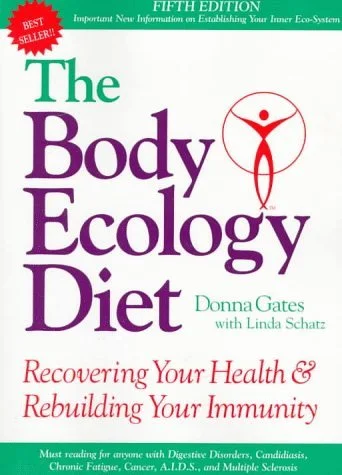
The Body Ecology Diet was developed by nutritional consultant and author Donna Gates. Her book, The Body Ecology Diet, was published in 1996. This diet emphasizes the importance of maintaining the "inner ecology” – what the body needs to function properly, including the elimination or control of symptoms that interfere with living.

An imbalanced ecosystem is marked by symptoms such as headaches, depression, food allergies, digestive problems, skin rashes, joint and muscle pain, menstrual irregularities, and low sex drive.

The Body Ecology diet is based on seven healing principles: balance, acid and alkaline, uniqueness (similar to bio-individuality), cleansing, food combining, the concept of 80/20, and the principle of gradual, step-by-step changes. By following these healing principles and moving away from a life full of poor eating habits and toxic stress, one can reboot their digestive system, enhance immunity, and restore internal harmony.

Foods to include:

  • Lean meats

  • Green leafy vegetables and root vegetables

  • Sea vegetables

  • Quinoa, buckwheat, and amaranth

  • Sprouted raw nuts and seeds

  • Garlic, onions, and scallions

  • Fermented foods (yogurt, kefir, kim chi)

  • Quality fats (extra virgin olive oil, flaxseed oil)

Foods to avoid:

  • High-sugar fruits

  • Starchy, high-carbohydrate vegetables

  • Vegetables that are not easily digested (bell peppers, eggplant)

  • Most grains

  • Refined sugars

  • Saturated fats

Pros:

  • Focuses on improving overall health with natural weight loss over time

  • Takes a holistic approach to wellness

  • Provides natural alternatives to manage yeast infections, digestive disorders, and chronic fatigue

Cons:

  • Restrictions can lead to cravings and feelings of deprivation

  • Recommended foods may be difficult and time consuming to prepare

  • Immediate weight loss is not expected

Sources:

Body Ecology www.bodyecology.com 
Body Ecology Diet www.everydaydiet.org 
Donna Gates, The Body Ecology Diet, Part 1 www.youtube.com