
The Body Ecology Diet was developed by nutritional consultant and author Donna Gates. Her book, The Body Ecology Diet, was published in 1996. This diet emphasizes the importance of maintaining the "inner ecology” – what the body needs to function properly, including the elimination or control of symptoms that interfere with living.
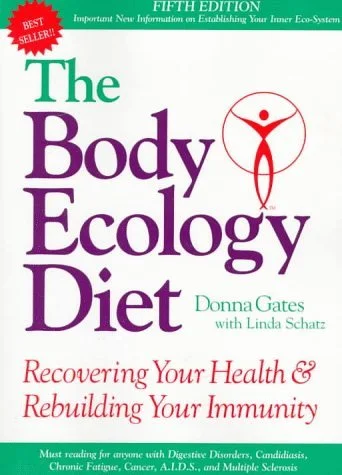
An imbalanced ecosystem is marked by symptoms such as headaches, depression, food allergies, digestive problems, skin rashes, joint and muscle pain, menstrual irregularities, and low sex drive.
The Body Ecology diet is based on seven healing principles: balance, acid and alkaline, uniqueness (similar to bio-individuality), cleansing, food combining, the concept of 80/20, and the principle of gradual, step-by-step changes. By following these healing principles and moving away from a life full of poor eating habits and toxic stress, one can reboot their digestive system, enhance immunity, and restore internal harmony.
Foods to include:
Lean meats
Green leafy vegetables and root vegetables
Sea vegetables
Quinoa, buckwheat, and amaranth
Sprouted raw nuts and seeds
Garlic, onions, and scallions
Fermented foods (yogurt, kefir, kim chi)
Quality fats (extra virgin olive oil, flaxseed oil)
Foods to avoid:
High-sugar fruits
Starchy, high-carbohydrate vegetables
Vegetables that are not easily digested (bell peppers, eggplant)
Most grains
Refined sugars
Saturated fats
Pros:
Focuses on improving overall health with natural weight loss over time
Takes a holistic approach to wellness
Provides natural alternatives to manage yeast infections, digestive disorders, and chronic fatigue
Cons:
Restrictions can lead to cravings and feelings of deprivation
Recommended foods may be difficult and time consuming to prepare
Immediate weight loss is not expected
Sources:
Body Ecology www.bodyecology.com
Body Ecology Diet www.everydaydiet.org
Donna Gates, The Body Ecology Diet, Part 1 www.youtube.com