
Fasting

Traditional fasting is the act of abstaining from all food and drink (with the exception of water) for a period of time. In our modern age, there are many types of fasts, and they are frequently used for religious, spiritual, and health purposes. Although complete fasts eliminate all food and drink, there are also a variety of fasts that limit certain food groups or only allow juices. Fasts can last from hours to weeks depending on the purpose.
Fasting is also associated with the words “detoxing” and “cleansing.” Fasts are often used to lose weight and clean out accumulated toxins in the body’s internal organs such as the colon and liver. Many believe fasting is a natural way to give the digestive system and metabolism a break.

Foods to include:

  • None

Foods to avoid:

  • All

Pros:

  • Rapid weight loss

  • Cleanses body of metabolic waste and toxins

  • Enhances mood and increases energy

  • Greater spiritual connection

Cons:

  • Fasting for long periods of time can deprive the body of critical vitamins, minerals, and other nutrients

  • May cause fatigue, dizziness, constipation, and dehydration

  • Not a sustainable diet for permanent weight loss

  • Not suitable for some health conditions

Sources: 

Fasting Diets WebMD
Fasting for Natural Healing www.allaboutfasting.com 


Fat Flush Diet

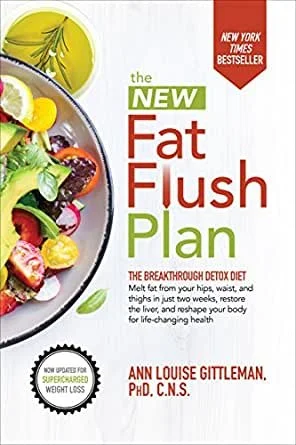
The Fat Flush Diet was created by Ann Louise Gittleman, PhD, CNS, author of The Fat Flush Plan. The diet claims to boost metabolism, reduce water retention, and promote fat loss by cleansing the liver and detoxifying the body.

There are three phases: A two-week weight loss jump-start, an ongoing fat flush with slightly increased calorie intake, and a lifestyle eating plan where greater variety is gradually reintroduced.

The plan includes detailed meal plans and recipes, an ongoing diet program, tips on eating out, and more. Hot water with lemon is consumed first thing in the morning followed by a protein-rich breakfast like eggs and vegetables or a smoothie. At lunch, fish or chicken and vegetables is recommended with the occasional starch such as a baked potato. Snacks include fruit, yogurt, and hard boiled eggs. Dinner is a balanced plate of protein, vegetables, and complex starch like a small sweet potato. After dinner, Fat Flush Kit Supplements are recommended along with 64 ounces of water with a splash of pure cranberry juice, said to accelerate fat loss.

The diet starts off stricter and becomes more and more diverse as you progress and reach your weight goals. This system ultimately allows you to include your favorite foods.

Foods to include:

  • Low-glycemic vegetables

  • Low-glycemic fruits

  • Whole grains

  • Meat

  • Poultry

  • Fish

  • Eggs

  • Beans

  • Dairy

  • Soy products

  • Healthy oils

Foods to avoid:

  • Refined grains

  • Sugar

  • Trans fats

  • Processed foods

  • Artificial sweeteners

  • Caffeine

Pros:

  • Emphasizes whole foods

  • Eliminates processed foods

  • May adjust the palette to crave less junk foods

Cons:

  • Diet plan is dense and extensive

  • Protocol is very regimented

  • Supplements may be costly

  • May be difficult for some to access specific herbs

Sources: 

The Fat Flush Plan www.annelouise.com 
Fat Flush www.fatflush.com 


Fat-Free Diet

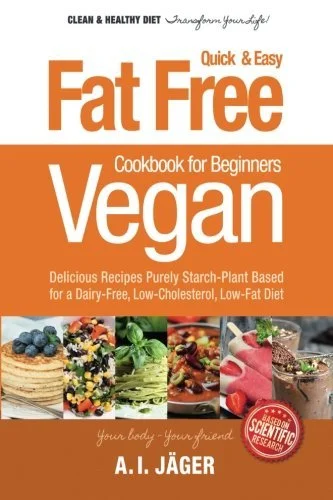
A fat-free diet is one that excludes all dietary fats. It’s commonly prescribed for those with certain health conditions that inhibit them from digesting or absorbing fats. A fat-free diet may be useful for individuals with Gallbladder disease, Gastroparesis (a delayed emptying of the stomach which can cause bloating, nausea, and vomiting), diarrhea, and nutrient absorption issues.

Most foods have some form of fat in them; however, foods are considered non-fat if they have less than one half of a gram of fat per serving. One of the lowest-fat diets is the Pritikin diet, which allows no more than 10% of daily calories to come from fat.

There are a variety of ways to reduce fat during the cooking process – baked, steamed, boiled, and broiled foods are great alternatives to fried and sautéed items.

Foods to include:

  • Vegetables

  • Fruits

  • Whole grains

  • Lean meat

  • Lean poultry

  • Lean fish

  • Egg whites

  • Beans

  • Non-fat dairy

Foods to avoid:

  • Fried foods

  • High-fat meat

  • High-fat poultry

  • High-fat fish

  • Egg yolks

  • Full-fat dairy

  • Oils

  • Avocados

  • Coconuts

  • Nuts and seeds

  • Refined grains

  • Sugar

  • Trans fats

  • Processed foods

Pros:

  • May alleviate certain health conditions in which individuals can’t process fat

  • May lead to weight loss

  • May lead to improved vitality and life span

Cons:

  • Some may have misconceptions about their condition and actually thrive on fats

  • May be hard for some to avoid fats

  • May be difficult to dine out 

Sources:

Low Fat Diet www.giccare.com 
Non Fat Diet www.livestrong.com 


Fiber35 Diet

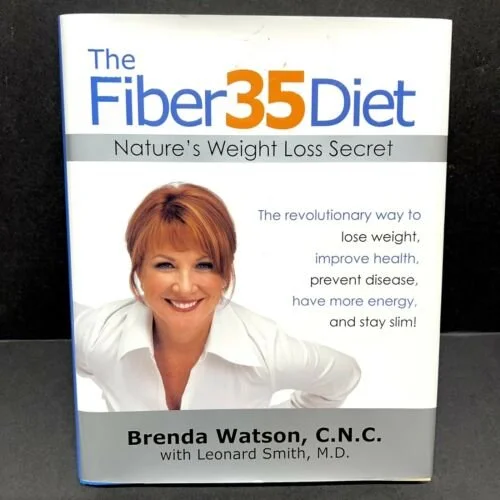
The Fiber35 Diet, developed by Brenda Watson and Leonard Smith, MD, is a diet based on eating 35 grams of fiber a day. The goal of the diet is to help people achieve their weight loss goals, maintain their goal weight, and reduce their risk of developing heart disease, stroke, high blood pressure, diabetes, cancer, and other obesity-related conditions.

This diet is based on the notion that fiber-rich foods help regulate blood sugar, control hunger, and increase the feeling of fullness – all of which are key factors in losing and maintaining weight.

In Brenda book, The Fiber35 Diet: Nature’s Weight Loss Secret, she includes tips for increasing metabolism, supplement recommendations, a variety of fiber-rich recipes, and a strength and cardio training program.

Foods to include:

  • Vegetables

  • Fruits

  • Whole grains

  • Meat

  • Poultry

  • Fish

  • Eggs

  • Beans

  • Dairy

  • Nuts and seeds

  • Healthy oils

Foods to avoid:

  • Refined grains

  • Sugar

  • Trans fats

  • Processed foods

Pros:

  • High-fiber diets aid digestion

  • High-fiber intake keeps you fuller longer, reducing cravings

  • Fiber is important for heart health

Cons: 

  • Little focus on the removal of unhealthy foods from the diet

  • Without calorie reduction, dieters may not experience significant weight change 

Sources: 

Nature’s Weight Loss Secret  
Brenda Watson and Dr. Leonard Smith’s The Fiber35 Diet: Nature’s Weight Loss Secret


FirstLine Therapy Diet

FirstLine Therapy® is a 12-week diet and exercise plan that is part of a personalized, inclusive medical program designed by Metagenics, Inc. This diet is tailored toward individual needs concerning weight loss, disease management, blood pressure, and cholesterol. The goal is to learn how to permanently incorporate good health practices into your lifestyle to maintain wellness and prevent disease.

In addition, FirstLine addresses gastrointestinal health, osteoporosis, hormonal and mood imbalances, and autoimmune disorders. Diets are completely individualized based on extensive test results that the dieter receives after undergoing inventory with a trained professional.

The FirstLine Therapy Diet includes nutritional supplements and personalized food recommendations. General guidelines may include eating frequently – five or six small meals per day – to level out blood sugar, while choosing foods with a low glycemic index. In addition, the company provides a series of “medical foods” including protein shakes and energy bars.

In terms of exercise, it’s recommended that participants walk at least 10,000 steps daily, which is equivalent to five miles. In general, 35 minutes of activity six days per week is encouraged. Resistance training is also encouraged.

Foods to include:

  • Low-glycemic vegetables

  • Low-glycemic fruits

  • Whole grains

  • Lean meat

  • Lean poultry

  • Lean fish

  • Eggs

  • Beans

  • Dairy

  • Nuts and seeds

  • Healthy oils

Foods to avoid:

  • High-glycemic vegetables

  • High-glycemic fruits

  • Fast food

  • Fried foods

  • Refined grains

  • Sugar

  • Trans fats

  • Processed foods

Pros:

  • Detailed recommendations for diet, exercise, and nutritional supplementation

  • Online resources include food lists, recipes, and menus

  • Honors bio-individuality

Cons:

  • Patients must find a FirstLine Therapy® practitioner certified by Metagenics®

  • Appointments and supplements may be expensive

  • As a 12-week program, it may only provide short-term results for some

Sources:

What is FirstLine Therapy? www.metagenics.com 
FirstLine Therapy www.arizonaadvancedmedicine.com 
Lifestyle Medicine Programs www.metagenics.com