
Fit for Life

Harvey and Marilyn Diamond co-authored the book Fit for Life, which was published in 1985. This diet is a mostly vegan approach, and condemns food combining – a method originally developed by William Howard Hay, MD, in the 1920s – as a diet deterrent.
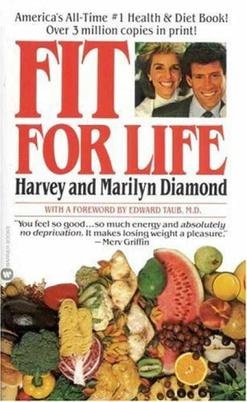
The Diamonds suggest 70% of the diet include high-water content foods such as fruits and vegetables to “wash the toxic waste” from the body rather than “clog” it. According to Fit for Life principles, foods that are highly-refined or highly-processed are considered “dead foods” while raw fruits and vegetables are considered “living.”

The diet includes eating only fruit in the morning and avoiding animal protein. The plan also advises against mixing proteins and starches, which stresses the digestive system, interferes with the body’s ability to absorb valuable nutrients and enzymes, and promotes fat storage.

They also discourage water with meals since they believe it dilutes digestive acids in the stomach. Dairy products are seen as allergenic and should be avoided on this plan. This approach includes nutritional supplements, which the Diamonds strongly recommend to make up for “enzyme deficient foods.” 

Fit for Life is presented as a long-term plan for health rather than a crash diet.

Foods to include:

  • Low-starch vegetables

  • Low-starch fruits

  • Whole grains

  • Beans

  • Nuts and seeds

  • Healthy oils

Foods to avoid:

  • High-starch vegetables

  • High-starch fruits

  • Refined grains

  • Meat

  • Poultry

  • Fish

  • Eggs

  • Dairy

  • Processed foods

  • Sugar

  • Trans fats

Pros:

  • Does not require calorie counting or portion control

  • Emphasizes whole foods

  • May improve heart health

Cons:

  • Claims not supported by scientific research

  • Dieters encouraged to purchase supplements

  • Program can be costly

Sources: 

The Fit For Life Weight Management System www.fitforlife.com
Harvey Diamond and Marilyn Diamond’s Fit for Life

Five Element Theory

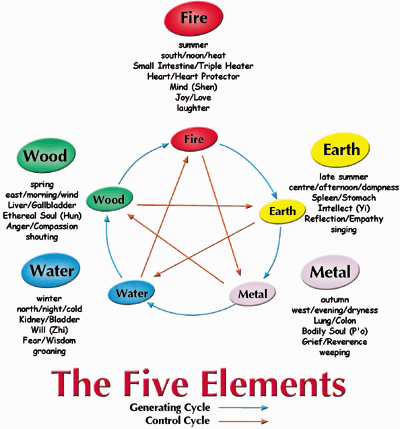
The Five Element Theory was introduced by ancient Chinese philosophers known as Taoists. Based on Traditional Chinese Medicine (TCM), the five elements are wood, fire, earth, metal, and water. Each element corresponds with a food group. Ancient doctors studied nature to create the five element chart and determine universal principles that help predict and understand health. The chart helps determine how a person’s mind and body interact with one another and the environment.

The primary goal of this theory is to reach harmony with the earth and universe by finding balance with nature and the elements. Each element corresponds to different organs within the body, and all elements work in tandem to balance one another. Organs embody the energetic qualities of their corresponding element. For example, the heart represents fire and is a hot spot for strong emotions.

Each of the five elements are also associated with different times of the year: Fire with summer, earth with late summer, metal with fall, water with winter, and wood with spring. By eating in accordance with the elements, you can promote balance and harmony, physically and mentally.

Wood represents sour tastes and is connected to the liver and gallbladder, fire is linked to bitter tastes and is connected to the heart and small intestine, earth corresponds with sweet tastes, the spleen, and the stomach; metal goes with pungent tastes, the lungs, and large intestine; while water represents salty tastes, the bladder, and the kidneys.

This theory believes that when the tastes (and therefore organs and elements) are in balance, optimal health is achieved.

Foods to include:

  • Vegetables

  • Fruits

  • Whole grains

  • Beans

  • Nuts and seeds

  • Healthy oils

Foods to avoid:

  • Meat

  • Poultry

  • Fish

  • Eggs

  • Dairy

  • Refined grains

  • Sugar

  • Trans fats

  • Processed food

  • Fried food

  • Alcohol

Pros:

  • Uses nature as a model

  • Can be a lifestyle rather than a diet

  • May improve heart health

  • Considers primary food

Cons:

  • The chart is complex and may be difficult to understand

  • Very restrictive

  • Some thrive on animal protein


Sources:

What is Five Element Theory?  (Links to an external site.)
Five Element Theory Diet  (Links to an external site.)
TCM Nutrition – Five Element Theory  (Links to an external site.)


Flavor Point Diet

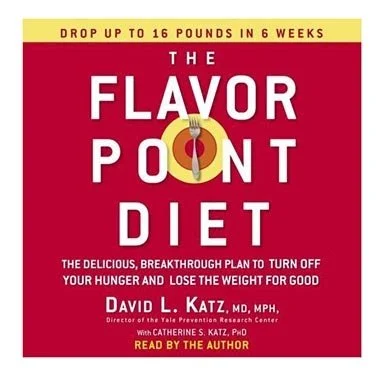
In his book, The Flavor Point Diet, David L. Katz, MD, MPH, argues that in today’s world we are bombarded by too many flavors at once. Backed by scientific research, Dr. Katz claims that food flavors are broken down into three categories: savory, salty, and sweet. He says your brain and stomach reach a “flavor point” when you are satisfied, and when a variety of flavors are eaten together, the appetite center of your brain is over-stimulated and overeating occurs.

The diet is based on the idea that there is a tendency to eat less when flavor variety is controlled. Each day of the week is assigned a flavor theme to control and minimize flavor intake. For example, a daily flavor theme could be tomato, orange, or almond. The idea is to aim for variety over time, not variety all the time.

A day on the orange theme might include orange juice at breakfast, along with cereal, a salad with oranges at lunch, an orange-banana smoothie or yogurt with oranges and raisins for a snack, and grilled fish with orange-accented vegetables and complex carbohydrates for dinner. Dessert might be fat-free orange sorbet or a fresh orange.

By streamlining our sensory experience, Dr. Katz claims that we can control our hunger cues, avoid overeating, and lose weight while still enjoying a wide variety of foods over time.

Foods to include:

  • Vegetables

  • Fruits

  • Whole grains

  • Lean chicken

  • Lean fish

  • Eggs

  • Beans

  • Low-fat dairy

  • Nuts and seeds

  • Healthy oils

Foods to avoid:

  • Red meat

  • Processed foods

  • Refined grains

  • Sugar

  • Full-fat foods

  • Trans fats

Pros:

  • May spark quick weight loss

  • Lifestyle approach rather than diet

  • Whole, fresh foods emphasized

Cons:

  • May be inconvenient, especially for those who dine out often

  • Requires extensive meal planning and forecasting

  • Some thrive on red meat


Sources:

Dr. David L. Katz’s The Flavor Point Diet
The Flavor Point Diet
www.davidkatzmd.com 
The Flavor Point Diet www.abcnews.go.com 


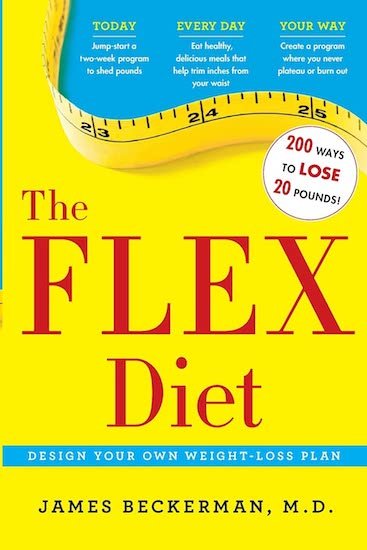
Flex Diet

The Flex Diet was created by cardiologist James Beckerman, MD, to get his patients healthy by incorporating lifestyle changes and great-tasting meals, resulting in increased energy and sustained weight loss. This three-part diet emphasizes small yet impactful shifts such as eating dinner at the table, exercising during commercials, and drinking six glasses of water every day. The phases of the diet honor individual choices and needs.

The diet is structured into three phases: Today, Every Day, and Your Way. The Today phase is a two-week plan that begins with small changes to diet and lifestyle. This leads to weight loss and lays the groundwork for a sustainable, healthy life. This approach boasts that small changes yield big results. This phase gives many small solutions that may be done slowly and allows you to choose which ones suit you and your lifestyle.

Some suggestions for the Today phase are taking a “before” photo, joining a support group, finding a weight-loss buddy, blogging, weighing yourself daily, sleeping at least seven hours per night, and keeping a food diary.

The Every Day portion is a three-week phase that introduces breakfast, lunch, and dinner meal options as well as exercises. It emphasizes new healthy habits to create lasting differences such as walking during breaks, bringing leftovers to work, and asking questions at restaurants to facilitate you in making the best choices for yourself.

Every day “solutions” include eating breakfast every day, eggs twice a week, avoiding bagels, abandoning vending machines, eating fish once a week, limiting takeout and delivery, substituting quinoa for white rice, adding in push-ups and chair dips, smart grocery shopping, taking walks after dinner, and wrapping up half your meal at restaurants before diving in.

The final phase, Your Way, allows you to choose what to do next. The Flex Diet is about choices, and in this section there are almost 100 different changes and solutions to choose from that may help you continue your new, healthier lifestyle. It’s recommended that you use these solutions and tools to take things to the next level.

Final implementation recommendations include eating slowly, eating less dairy, eating until you’re only 80% full, shopping at farmers’ markets, exercising in the mornings, practicing tai chi, dancing, organizing your living and working spaces, meditating, laughing every day, and nurturing romantic relationships.

Foods to include:

  • Eggs

  • Good sources of protein such as fish, tofu, and lean chicken

  • Beans

  • Good fats such as olive oil

  • Salads and vegetables as the main course

Foods to avoid:

  • Processed foods

  • Restaurant food

  • Carbohydrates, bagels, and other pastries

  • Sugary beverages

  • Fruit juice

  • Diet beverages

  • Alcohol (limit to weekends)

Pros:

  • Easy to follow

  • Slowly incorporates sustainable changes

  • Honors bio-individuality

  • Acknowledges importance of primary food

Cons:

  • Volume of recommendations may be overwhelming

  • May be hard for some to take initiative with choosing lifestyle changes

  • May be restrictive for some

Sources: 

Dr. James Beckerman’s The Flex Diet: Design Your Own Weight Loss Plan
The Flex Diet
 (Links to an external site.)
The Heart Beat www.webmd.com 


Flexitarian Diet

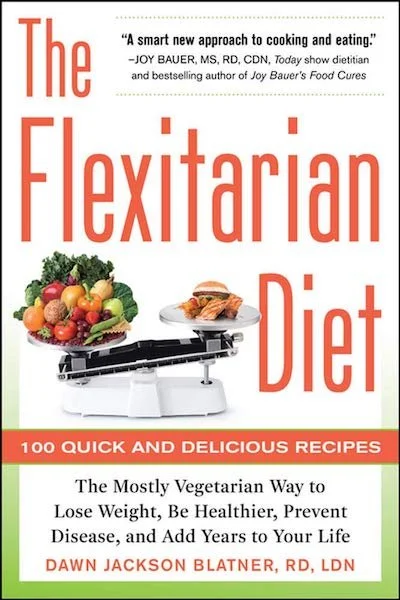
The Flexitarian Diet, in simple terms, is a more flexible version of the vegetarian diet. “Flexible” in this case means that meat may be eaten on occasion, though the diet is primarily plant-based.

The Flexitarian Diet emphasizes fresh, natural, and seasonal foods. Staple items from the pantry and freezer are allowed in moderation. The plan boasts approximately 50 grams of protein daily, little of which comes from meat. Flexible five-week meal plans allow dieters to customize and experiment with a number of tasty, calorie-controlled options.

A typical day on the Flexitarian Diet might look like almond butter toast with apples for breakfast, a vegetarian burger on a whole grain bun with avocado and sprouts for lunch, pineapple and nuts for a snack, and a tofu vegetable brown rice stir-fry for dinner. Dessert might be a skim or soy milk hot chocolate with cinnamon. On a rare meat day, chicken can be substituted for tofu in the stir-fry.

According to The Flexitarian Diet author Dawn Jackson Blatner, RD, it’s acceptable to eat very small amounts of meat and still experience the health benefits of being a vegetarian. One goal of the diet is to facilitate the transition into eating less meat and making a plant-based approach more sustainable.

In her book, Dawn lists more than 100 self-created, simple recipes. All of these recipes contain no more than five primary ingredients, appear alongside nutritional facts, and are designed to satisfy the palette and appetite. 

Foods to include:

  • Tofu

  • Eggs

  • Vegetables

  • Beans and legumes

  • Dairy

  • Fruits

  • Whole grains

  • Nuts and seeds

Foods to avoid:

  • Animal protein in excess

  • Processed foods

Pros:

  • Flexible approach

  • Emphasis on whole foods

  • Includes recipes and shopping lists

  • May promote heart health

Cons:

  • Some may require more structure in their diet

  • Unclear food allowance suggestions 

Sources:

The Flexitarian Diet www.webmd.com 
The Flexitarian Diet – The Mostly Vegetarian Way To Lose Weight, Lower Blood Pressure, Be Healthier & Add Years To Your Life – New Book  (Links to an external site.)
Dawn Jackson Blatner's Flexitarian Diet Recipes