Gout Diet

Gout is a painful form of arthritis that occurs when uric acid crystals accumulate in connective tissues or between joints. This happens when the body is either producing too much uric acid or the kidneys are not processing and disposing enough. The result is severe inflammation, which leads to swelling, stiffness, and acute pain. If ignored, uric acid crystals can accumulate in the kidneys and cause kidney stones.
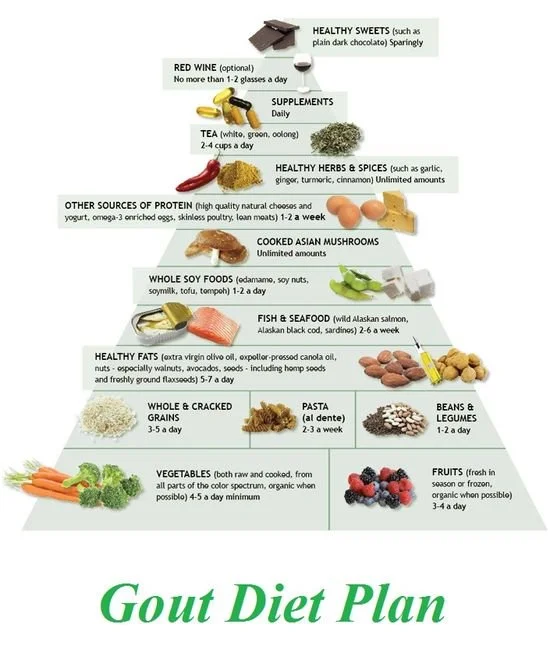
Diet plays a crucial role in the management of gout symptoms. In addition to decreasing foods that add to the uric acid overload, it’s important to maintain a healthy weight and include daily physical activity. It’s recommended that at least two liters of water be consumed daily to help flush out waste products from the kidneys.

The Gout Diet guidelines include limiting meat, poultry, and fish, choosing more plant-based proteins, limiting or avoiding alcohol (especially beer), drinking plenty of water, choosing low-fat or fat-free dairy products, limiting or avoiding sugar, and choosing complex carbohydrates over refined or “white” carbs.

When following this diet, breakfast might be whole grain cereal with skim milk and fruit, juice, and coffee. Lunch could be lean poultry or fish on whole wheat bread with lettuce and tomato, and dinner might be baked chicken with steamed broccoli, a salad, fruit, and a baked potato.

Foods to include:

  • Most vegetables

  • Fruits

  • Whole grains

  • Lean poultry

  • Lean fish

  • Beans

  • Low-fat or fat-free dairy

Foods to avoid:

  • Meat

  • Eggs

  • Animal organs: Brain, heart, liver, and kidney

  • Alcohol

  • Dried beans and peas

  • Asparagus

  • Mushrooms

  • Spinach

  • Bouillon, gravy, and broth

  • Baker’s and brewer’s yeast

Supplements to avoid:

  • Trace mineral supplements containing molybdenum

  • Vitamin C in large doses

  • Niacin in high doses

  • Iron

Pros:

  • May be a natural cure for gout

  • Emphasizes whole foods

  • May support weight loss

Cons: 

  • Very restrictive

  • May be difficult for some to cut out alcohol

  • Some may require banned supplements for other health reasons

Sources: 

Gout Diet www.mayoclinic.com 
Diet and Gout  www.johnshopkinshealthalerts.com 
Gout Diet and Foods that Cause Gout www.goutdiettips.com 
Grapefruit Diet

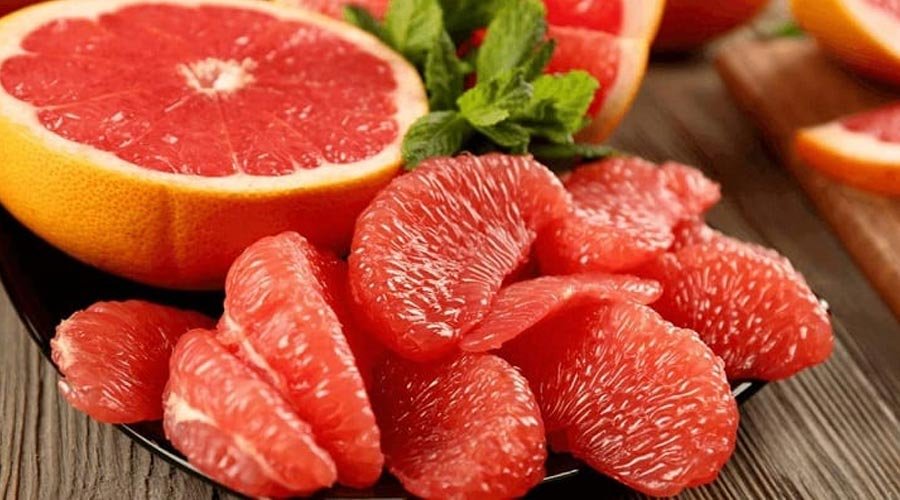
Since the 1930s, the Grapefruit Diet has been popular as a quick, short-term weight loss plan. Grapefruit is low in calories and loaded with fiber and vitamin C. It also contains high levels of beta-carotene, which is known to reduce cholesterol levels and help maintain a healthy heart. The white pith of the fruit contains pectin and bioflavonoids, which makes the grapefruit an excellent source of antioxidants.

The belief behind the Grapefruit Diet is that, when eaten with protein, the citrus fruit triggers weight loss. Dieters who consume grapefruit may also experience a reduction in insulin levels and may feel fuller on fewer calories.

The Grapefruit Diet is followed for 12 days and based around eating half of a grapefruit before every meal to provide the body with fat-burning enzymes. After 12 days, if you wish to continue the plan, it’s important to take at least two days off before starting again. It’s also important to follow the sample meal plan diligently without eliminating any components.

The Grapefruit Diet guidelines include drinking a minimum of two liters of water every day, consuming one half of a grapefruit or eight ounces of unsweetened grapefruit juice before each meal, and no more than one cup of coffee each day. Vegetables, meats, and healthy fats are encouraged in significant amounts, but complex and simple carbohydrates should be avoided.

Dieters should only eat until they are full and avoid eating between meals. Recommendations include avoiding foods that are very hot or very cold in temperature, and refraining from cooking in aluminum pans.

Breakfast on this plan is two boiled eggs, two slices of bacon, and 1/2 grapefruit or 8 ounces of unsweetened grapefruit juice. Lunch includes the same grapefruit requirement as breakfast along with salad and any type of meat in an unlimited amount. Dinner is salad or a red or green vegetable with butter or spices, meat or fish any style, and one cup of coffee or tea. Dinner also includes the standard grapefruit requirement. The recommended bedtime snack is 8 ounces of skim milk.

Foods to include: 

  • Vegetables

  • Fruits

  • Meat

  • Poultry

  • Fish

  • Eggs

  • Beans

  • Low-fat dairy

  • Nuts and seeds

  • Healthy oils

Foods to avoid:

  • Carbohydrates

  • Sugar

  • Trans fats

  • Processed foods

Pros:

  • Emphasizes whole foods

  • Low-carbohydrate approach may become a sustainable lifestyle for some

  • May suit Celiacs and gluten-intolerants

Cons:

  • Some thrive on carbohydrates

  • Some may not like grapefruit

  • May be too limiting and regimented

  • Not suitable for those with dairy allergies

Source:

Grapefruit role in Grapefruit Diet www.grapefruit-diet.org 

Great American Detox Diet

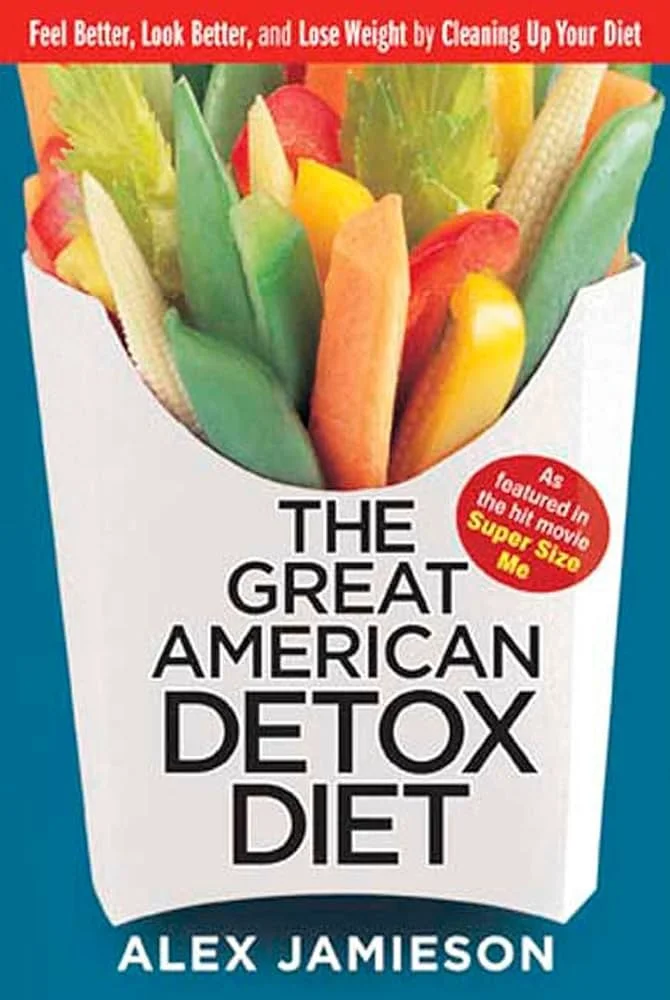
Alex Jamieson, a Health Coach, vegan chef, and graduate of IIN, originally created this diet for her husband, director Morgan Spurlock, who gorged himself on McDonald’s for approximately 30 days in his popular documentary, Super Size Me. Her diet helped Spurlock drop the weight and spawned a new set of followers, which prompted her to write her book, The Great American Detox Diet.


In her book, Jamieson focuses on lifestyle changes rather than following a set of strict dietary rules. She describes her own journey from growing up in a household where wholesome, healthy meals were readily available, to sugar-addiction and poor eating habits that lasted through college and after, hitting her “like a ton of bricks” once she settled into a desk job.

The Great American Detox Diet stresses the importance of whole, natural foods to help detoxify the body and reverse the damage done by processed sugars, flours, meat, dairy, wheat, caffeine, and alcohol. By eating more whole – preferably organic – foods, Jamieson says you’ll lose weight, eliminate allergies, improve chronic ailments, increase energy, restore balance in the body, and overcome addictions and cravings.

The author notes that “the FDA acknowledged that nearly one billion pounds of chemical additives are put into our food each year and the average American consumes over 50 pounds of additives a year.” In addition to the diet, she recommends drinking plenty of filtered, distilled water, and eating fiber and at least one serving of leafy green vegetables a day.

Foods to include:

  • Fruits

  • Vegetables

  • Beans

  • Tempeh

  • Tofu

  • Complex carbohydrates

  • Sea vegetables

  • Raw chocolate

  • Olive oil

Foods to avoid:

  • Meat

  • Dairy

  • Refined carbohydrates

  • Refined sugar

  • Caffeine

  • Alcohol

Pros:

  • Lots of recipes provided

  • Whole, fresh foods and clean eating encouraged

  • Could be lifestyle approach rather than diet

Cons:

  • Veganism won’t work for everyone

  • Diet may be restrictive

Sources: 

Alex Jamieson’s The Great American Detox Diet
The Great American Detox Diet – Review
www.homemadebodycleanse.com 
Delicious Vitality www.nutritionforempoweredwomen.com

Hallelujah Diet

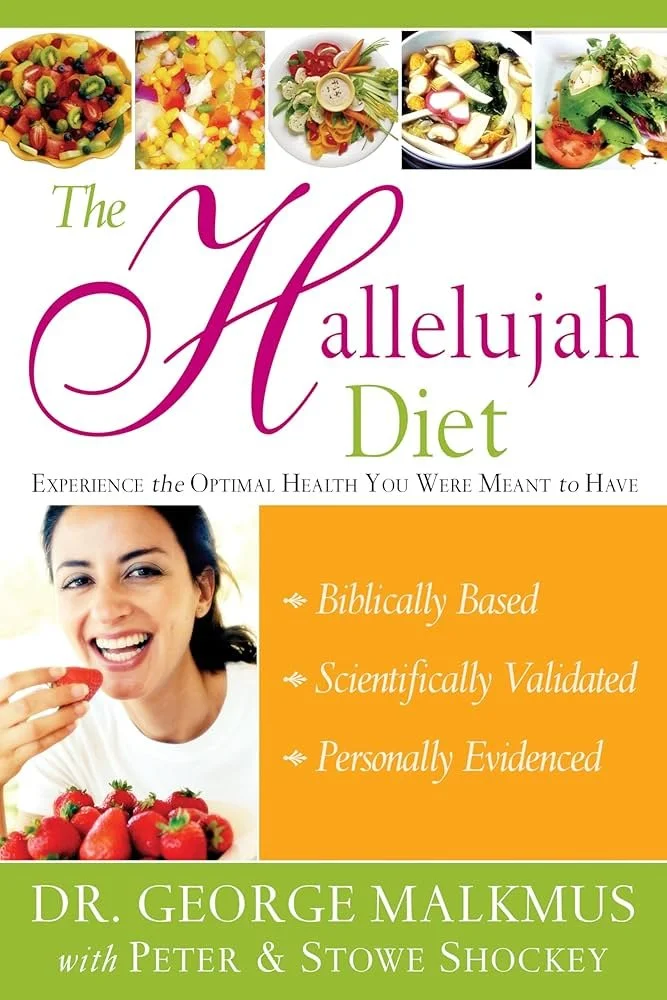
The Hallelujah Diet was created by Reverend George Malkmus and his wife Rhonda in the 1970s as a way to return people to “God’s way to optimal health.” It’s inspired by the following quote from the Bible in Genesis, Chapter 1, Verse 29:Then God said, ‘I give you every seed-bearing plant on the face of the whole earth and every tree that has fruit with seed in it. They will be yours for food.’”


The diet is a low-calorie, vegan diet which consists of living (raw) foods, juices, and distilled, re-mineralized water. A daily ratio of 85% raw and 15% cooked food is recommended. Of the diet’s 85% raw component, 15% should come from fruit with the remaining 70% being plant and vegetable-based. 

In addition to enzyme-rich, immune-boosting foods, the diet encourages exercise, getting adequate sleep, practicing spirituality, getting sunshine, and engaging in stress-reducing activities.

Foods to include:

  • Vegetables

  • Fruits

  • Whole grains

  • Beans

  • Raw nuts and seeds

  • Healthy oils

Foods to avoid:

  • Meat

  • Poultry

  • Fish

  • Eggs

  • Dairy

  • Refined grains

  • Sugar

  • Trans fats

  • Processed foods

Pros:

  • Emphasizes whole foods

  • Can be a lifestyle rather than a diet

  • May detoxify the body

Cons

  • Very restrictive

  • Veganism won’t work for all

  • Might not work for non-religious people

Sources:

The Hallelujah Diet www.hacres.com
Hallelujah Diet www.yourlifesource.com 

Hampton's Diet

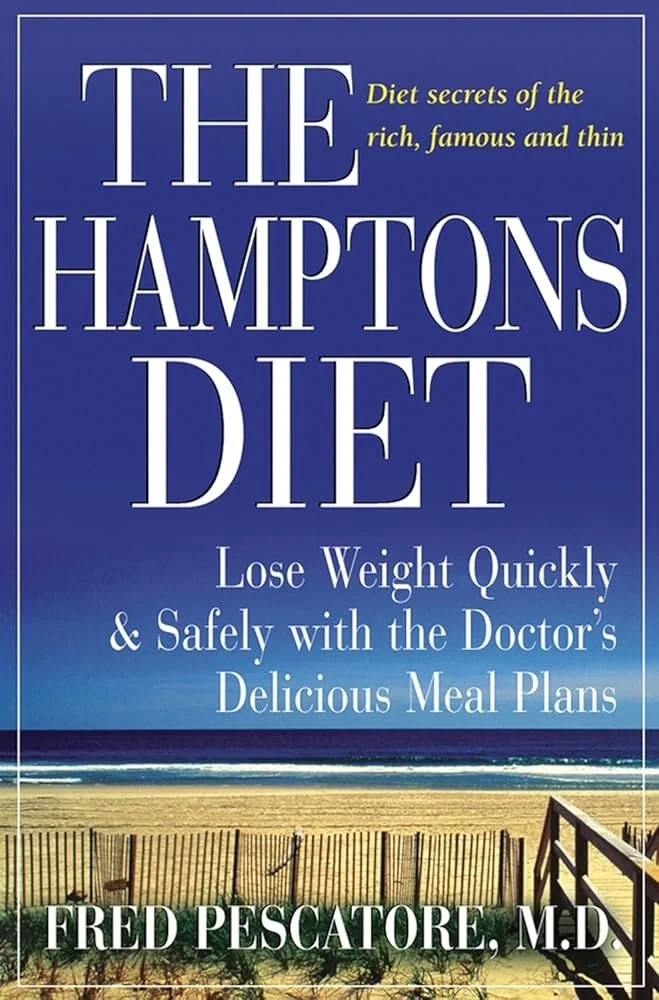
Written by the former Medical Director of the Atkins Center, Fred Pescatore, MD, The Hampton’s Diet is a low-carbohydrate approach that focuses on quality over quantity. The plan emphasizes whole, natural foods – the less processed, the better. This diet discourages over-thinking portion size when it comes to lean meat and healthy fat, but minimizes carbohydrates based on how much weight a given dieter wants to lose.

If you want to lose more than 10 pounds, you’re told to stick to less than 30 grams of carbs a day. If a weight loss of less than 10 pounds is your goal, you’re allowed 40-60 grams. The book contains nearly 200 recipes, including Sesame Broccoli, Long Beach Shrimp Salad, Down-Home Brisket With Texas Pecan Cilantro Pesto, and other appealing options.

With components similar to the South Beach Diet, The Hampton’s Diet focuses on consuming healthy fats, specifically, mono-unsaturated fats. Salmon and other omega-3-rich fish are encouraged, as well as lean meats and nuts. Australian macadamia nut oil is consistently highlighted as a top choice for cooking oil, not only for its high heat capacity, but for its 85% monounsaturated fat content. Fruits, vegetables, and grains should be minimized according to this plan, since they are high in carbohydrates.

Supplements are recommended to support optimal levels of essential fatty acids, chromium, and carnitine.

Foods to include:

  • Fish

  • Lean meats

  • Healthy fats

  • Nuts

  • Low-starch vegetables

  • Australian macadamia nut oil

Foods to avoid:

  • Processed meals

  • Snacks and sweets

  • Excessive grains

  • Starchy fruits and vegetables

Pros:

  • Comes with meal plans

  • Emphasis on healthy fats

  • Encourages organic when possible

  • Lots of recipes provided

Cons:

  • Ingredients in recipes can be expensive

  • Not everyone will have time to cook

  • Some thrive on carbs

  • Supplements may get expensive

Sources:

Hampton’s Diet – Dr. Fred Pescatore www.hamptonsdiet.com
Fred Pescatore’s The Hamptons Diet: Lose Weight Quickly and Safely with the Doctor's Delicious Meal Plans