Okinawa Diet

The Okinawa Diet emerged from the distinct eating approach associated with the people of Okinawa, Japan. This population is said to have one of the longest average life spans in the world and very few age-related diseases. The Okinawa Diet is comprised of four food groups categorized by their caloric density. The objective is to eat foods rich in nutrients but low in calories, and to only eat until you’re 80% full.
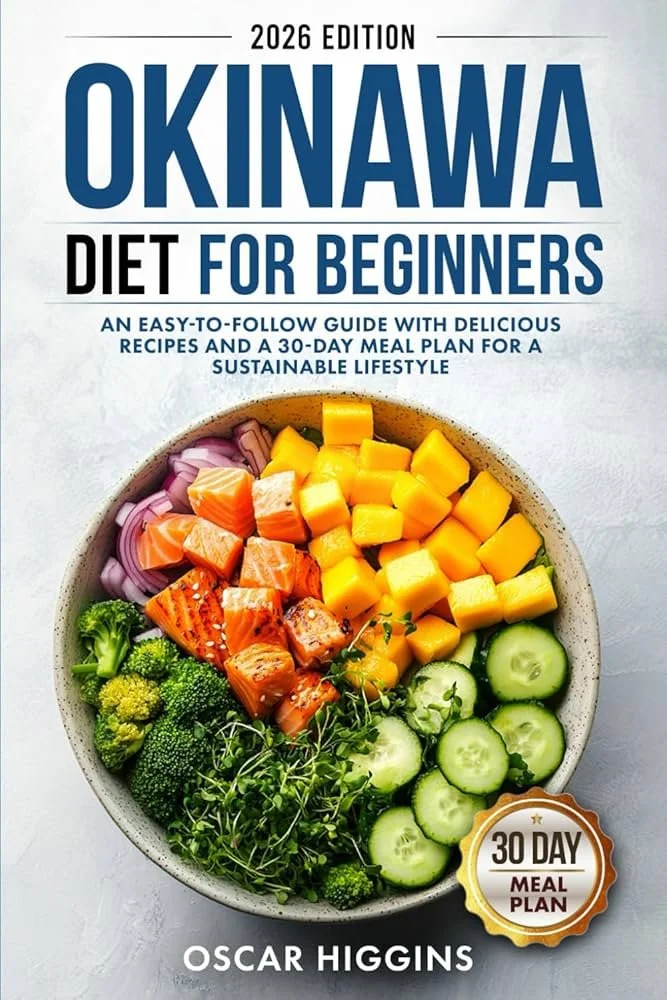
The first category, “Featherweight,” represents foods that have less than or equal to 0.8 calories per gram. These foods can be eaten as often as desired, and include items such as green vegetables and seaweed. “Lightweight” foods are those that contain 0.8-1.5 calories per gram such as fish and brown rice. Based on the Okinawa Diet, “Lightweight” foods should be consumed in moderation.

“Middleweight” foods have between 1.5-3.0 calories per gram and should only be eaten in moderate portions. This group includes beans, lean red meat, and other protein-rich foods. “Heavyweight” foods contain 3-9 calories per gram. These items, including fried foods and sweets, should be eaten sparingly. Common foods consumed by followers of this approach include land and sea vegetables, grains, tofu, fish, legumes, and broth-based soups. These soups are often eaten before meals to help prevent overeating by filling up the consumer with warm liquid. Physical activity is recommended in order to build lean muscle mass, which increases metabolic rate and burns calories.

 Foods to include:

  • Vegetables

  • Fruit

  • Whole grains

  • Fish

  • Poultry

  • Eggs

  • Tofu

  • Red meat

  • Beans

  • Healthy fats

  • Miso

Foods to avoid:

  • Sweets

  • Alcohol

  • Caffeine

  • Processed foods

Pros:

  • Encourages whole foods

  • Includes healthy fats, critical for brain function

  • Limits processed foods

Cons:

  • May be difficult for some to avoid sweets

  • May be impractical for some to avoid caffeine

  • Does not consider bio-individuality

Sources:

The Okinawa Diet www.okinawa-diet.com
Outline of the Okinawa Diet Plan www.livestrong.com
Okinawa Centenarian Study www.okicent.org 
 

Omega Diet

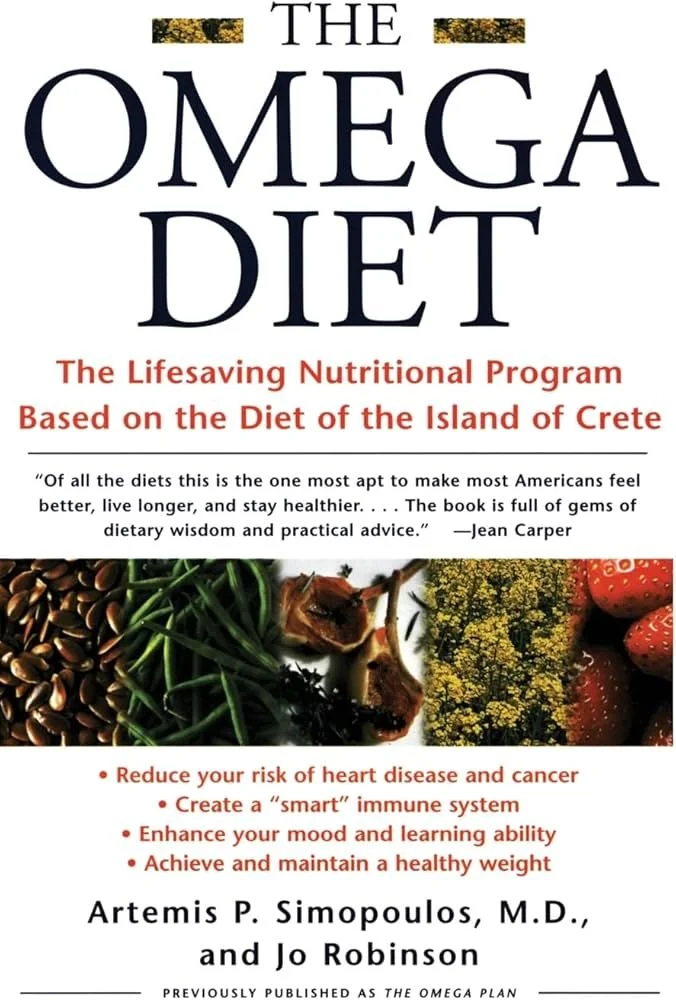
The Omega Diet was created by Artemis Simopoulos, MD, to help people create a balance between omega-3 and omega-6 fatty acids. Her claim is based on the importance of proper ratios, as imbalances can lead to obesity, heart disease, rheumatoid arthritis, chronic fatigue syndrome, and other serious conditions. Omega-3 fats provide support against inflammation, the main culprit of these diseases, as well as normalize metabolism. On average, the modern American diet consists of far more omega-6 than omega-3 fatty acids, so it’s important to alter the diet accordingly.

The Omega Diet has been tested in the Lyon Diet Heart Study, which proved its efficacy in reducing disease and maintaining weight. In her book, The Omega Diet, Dr. Simopoulos provides seven guidelines and various meal options to help people distinguish between harmful fats and beneficial fats.

Her first guideline is to enrich the diet with omega-3 fatty acids. Her second is to use canola, olive, and flax oils as primary fats. She recommends seven or more servings of fruits and vegetables daily, and advises followers eat more peas, beans, and nuts, and less saturated fat and cholesterol. Next, she advises against oils high in omega-6 fatty acids such as polyunsaturated vegetable oils. Her final primary guideline is to avoid trans fats. Foods high in omega-3s include salmon, mackerel, walnuts, flax seeds and flax seed oil, canola oil, legumes, black cod, bluefish, sardines, and herring.

 Foods to include:

  • Vegetables

  • Fruits

  • Whole grains

  • Fish

  • Beans

  • Dairy

  • Nuts

  • Oils

Foods to avoid:

  • Processed foods

  • Refined grains

  • Sugar

  • Trans fats

Pros:

  • Promotes whole foods

  • Includes healthy fats, critical for brain function

  • May become lifestyle approach

Cons:

  • May be difficult for some to avoid processed foods

  • Some may overdo healthy fats, leading to weight gain

  • Some may not like fish and other foods high in omega-3s


Sources:

The Omega Diet www.johnrobbins.info 
Omega-3 Fatty Acids www.umm.edu 
An Interview with Dr. Artemis Simopoulos www.1stvitality.co.uk

Ornish Reversal Program

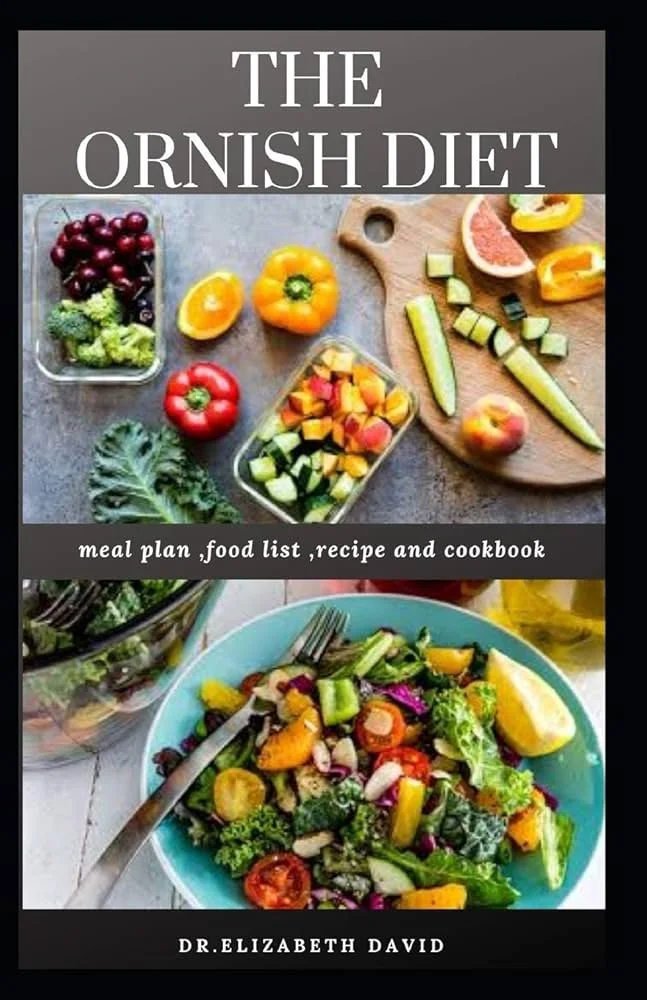
This diet and lifestyle program was created by Dean Ornish, MD, to prevent and reverse chronic diseases such as type 2 diabetes, high cholesterol, hypertension, and even early-treated prostate cancer. Based on more than four decades of research, the program helps participants lose weight and improve health through diet and lifestyle changes that support healthy aging, showing particular success in reversing symptoms of heart disease.

The Ornish Reversal Program encourages participants to consume small, frequent meals and limit refined grains, alcohol, and concentrated sweeteners. The diet emphasizes “good” fat sources, such as fish oil, flaxseed oil, nuts, and seeds, and limiting cholesterol intake to less than 10 milligrams per day. A daily multivitamin is also recommended. The lifestyle aspects of this program include three to five hours of moderate exercise each week, relaxation/meditation for stress management, and fostering loving relationships.

Foods to include:

  • Fruits

  • Vegetables

  • Whole grains

  • Non-fat dairy/dairy alternatives

  • Egg whites

  • Legumes

  • Nuts and seeds

  • Soy

Foods to avoid:

  • Meat

  • Fish

  • Poultry

  • Full-fat dairy

Pros:

  • Diet based on whole foods

  • Research has shown this diet to be highly effective in improving health parameters

  • Includes both diet and lifestyle shifts to support health

Cons:

  • May be difficult for some people to stick to

  • Very low in fat; some may find this diet unsatisfying

  • Must be willing to make changes beyond the diet

Source:

Over-40 Diet

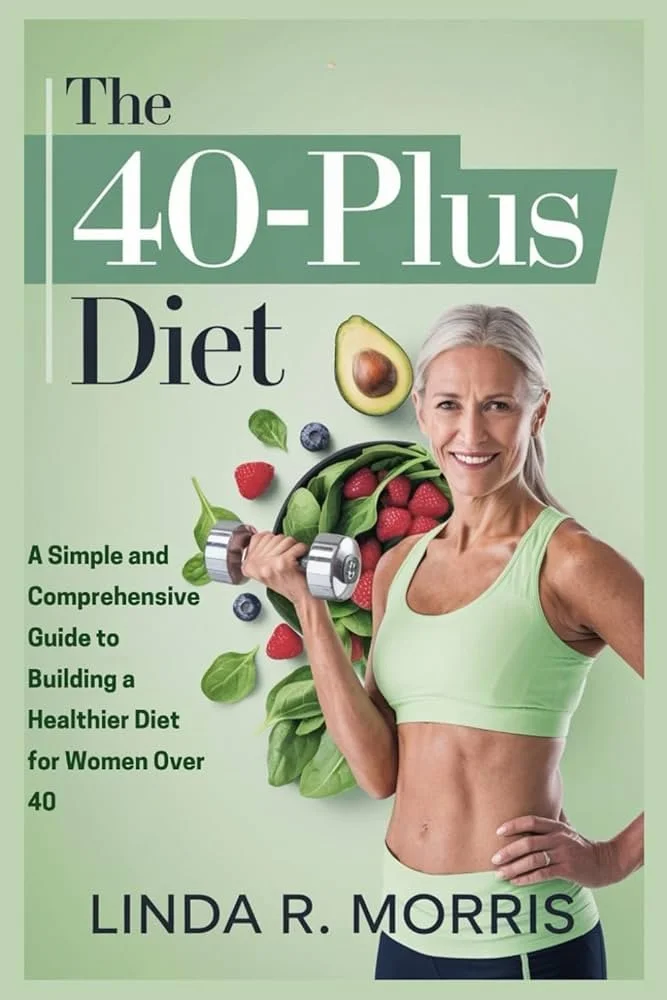
After age 40, the body begins to store fat at a higher rate making it more difficult to keep off excess weight. Factors such as chemical and hormonal imbalances, decreased metabolic rate, stress, vitamin and mineral deficiencies, and food allergies all contribute to this shift in the body’s composition.

The most common weight loss recommendations for people in this age group are small diet and lifestyle changes. These recommendations include eating 100 calories less each day, eating fruit instead of drinking fruit juice, avoiding processed foods, sugar, and artificial sweeteners, moderating alcohol, taking appropriate vitamins and supplements, always eating breakfast, and never skipping meals. Exercise also plays a large role in health and weight maintenance post-40. Strength training is important to increase lean muscle mass and maintain bone density. It’s advised to commit to a regular fitness routine.

The following seven foods are considered powerful fat fighters:

1. Ground flax seeds, which help stabilize blood sugar levels
2. Walnuts, which reduce insulin levels and fight fat storage,
3. Hot sauce, which reduces insulin levels,
4. Cinnamon, which helps lower cholesterol,
5. Salmon, a good source of calcium and vitamin D,
6. Fiber-rich foods, which aid digestion and satiety, and
7. Water with lemon, a calorie-free, refreshing beverage to replace soda and juice.

 Foods to include:

  • Vegetables

  • Fruits

  • Lean meat

  • Lean poultry

  • Fish

  • Whole grains

  • Beans

  • Low-fat dairy

  • Nuts and seeds

  • Healthy oils

  • Green tea

Foods to avoid:

  • Full-fat meats

  • Bacon and other processed meats

  • Full-fat dairy

  • Refined grains

  • Sugar

  • Fruit juice

  • Soda

  • Artificial sweeteners

Pros:

  • May reduce weight gain after 40

  • May be a lifestyle approach

  • Considers bio-individuality

Cons:

  • Some may benefit from full-fat dairy

  • May be difficult to avoid sugar

  • May be difficult to avoid bacon

Sources: 

The Over-40 Diet www.goodhousekeeping.com
Women Over 40 www.loseweightpermanently.com

Paleolithic Diet

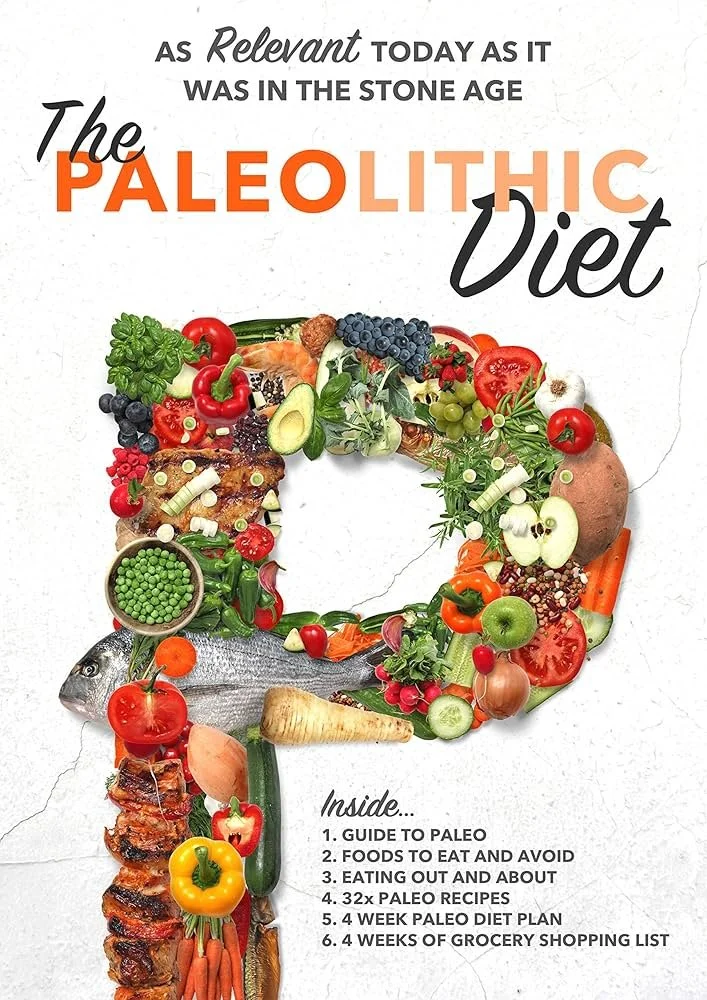
The Paleolithic diet, also known as Paleo or Primal diet, is rooted in the belief that sticking to food our caveman ancestors would have eaten leads to optimal health. This includes meat, fish, nuts, wild fruits, eggs, and more. The goal of the Paleo approach is to consume the foods cavemen did millions of years ago, before the cultivation of grains and legumes, and well before the invention of processed, packaged foods. According to Paleo advocates, if a caveman wouldn’t eat it, modern people shouldn’t either.

Guidelines include eating a relatively high amount of healthy fat such as coconut oil, avocado, ghee, and olives. Vegetables, raw or cooked, are the primary source of carbohydrates, rendering the diet relatively low-carb. Animal protein, including its naturally occurring fat, should be included in the diet. Red meat, poultry, pork, eggs, and organ meat are all encouraged. Some followers of this approach choose to emphasize vegetables and minimize meat; however, all devotees put a high premium on organic and grass-fed meats. Although included, fruits are limited since cavemen encountered these “treats” infrequently. It’s also strongly encouraged to follow a vigorous exercise regimen such as crossfit. It’s recommended that participants only eat when they’re truly hungry and ensure they get plenty of vitamin D from the sun.

Foods to include:

  • Vegetables

  • Meat

  • Poultry

  • Fish

  • Eggs

  • Quinoa

  • Healthy fats

  • Fruits

  • Nuts

Foods to avoid:

  • Wheat, rye, barley, oats, brown rice

  • Dairy, except for ghee and grass-fed butter

  • Processed foods

  • Artificially low-fat foods

  • Sugars

  • Fruit juices

Pros:

  • Whole foods approach

  • Encourages organic foods

  • Low in sodium and high in potassium

  • High in fiber

  • Healthy fats contribute to optimal brain function

  • Low glycemic load may stabilize blood sugar and reduce cravings and binges

Cons: 

  • High-quality meats may be expensive and difficult to obtain

  • Some may do well on carbs

  • Not ideal for vegetarians and vegans

Sources:

Staffan Lindeberg’s Food and Western Disease: Health and Nutrition from an Evolutionary Perspective
Paleo 101 www.paleodietlifestyle.com
The Paleo Diet www.thepaleodiet.com
Paleo Diet www.health.usnews.com