
Standard American Diet (SAD)

The Standard American Diet (SAD Diet), is one that has evolved over time in the United States.
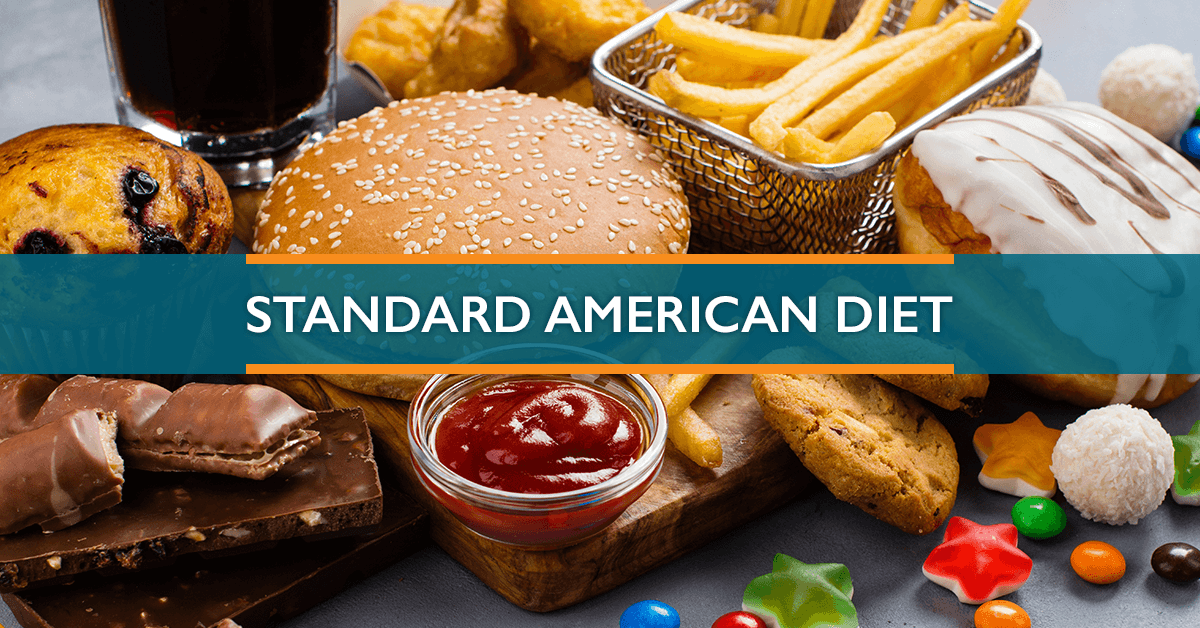
It consists of highly processed, hormone and antibiotic-filled meats and dairy products, sugar, and refined carbohydrates. This diet is filled with with high-fructose corn syrup, hydrogenated oils, and would hardly be recognizable as food to past generations. Junk-food, packaged foods, food from vending machines, and fast-food have all become main components of this dietary approach and lifestyle. This diet is low in fiber and plant-based foods, and primarily based on convenience rather than nutrition. This type of diet is not recommended for anyone. 

An example of a typical day on this diet: 

  • Breakfast: muffin, coffee, orange juice

  • Snack: bagel and cream cheese

  • Lunch: meat sandwich with chips or fast food burger with fries, soda

  • Snack: candy bar or other vending machine snack

  • Dinner: meat, potatoes, bread, butter, maybe a vegetable

  • Dessert: ice cream or pastry

 Foods to include:

  • Starchy vegetables

  • Some high-sugar fruit

  • Refined grains

  • Meat

  • Cured meat

  • Poultry

  • Fish

  • Eggs

  • Beans

  • Dairy

  • Nuts and seeds

  • Oils

Foods to avoid: 

  • None

Pros:

  • Convenient

  • Allows more time to focus on family and relationships

  • Little preparation needed

  • Easy for busy people and travelers

Cons:

  • One of the most commons causes of major diseases like heart disease, liver dysfunction and cancer

  • May cause significant weight gain

  • May cause chronic fatigue, lethargy, and brain fog

  • May cause early death

 Source:

Standard American Diet www.askdrsears.com 
Starch Solution

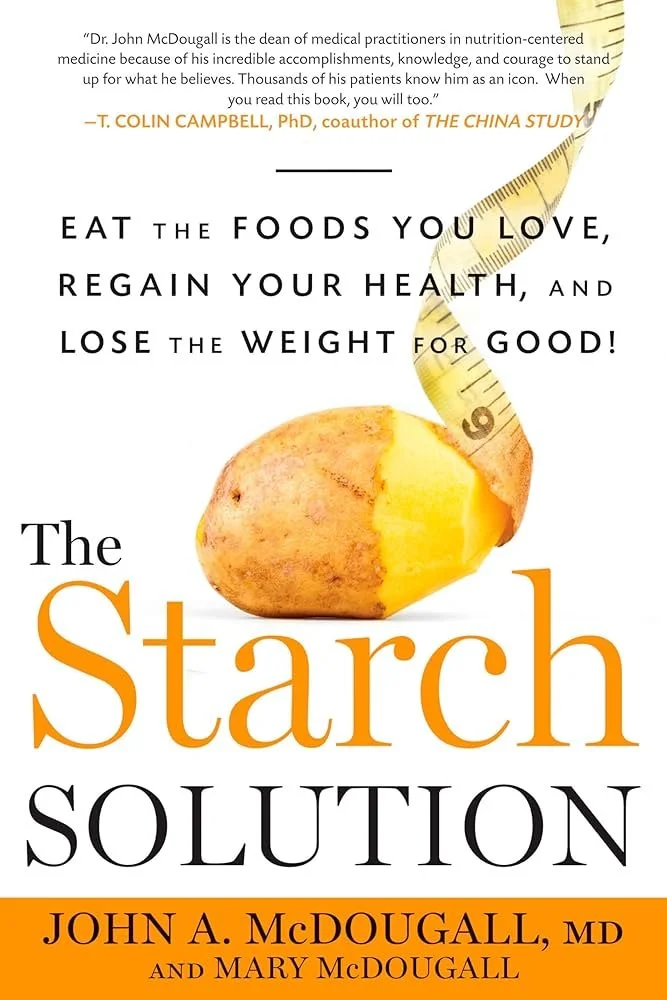
Potatoes, beans, rice, grains, and corn are the staples of Dr. McDougall’s Starch Solution diet. Many people believe starchy foods hinder weight loss, but McDougall believes they’re the foundation of a fit, healthy body.

He argues against skeptics by stating that starches helped shape the health of the Mayans, Aztecs, Egyptians, and civilizations of Ancient Asia, all incredibly strong, vivacious groups. The starch diet is comprised of 70% starch, 20% vegetables, and 10% fruit. It does not include meat and dairy.

 Foods to include:

  • Vegetables

  • Fruits

  • Whole grains

  • Refined grains

  • Corn

  • Beans

Foods to avoid:

  • Meat

  • Poultry

  • Fish

  • Eggs

  • Dairy

  • Oils

Pros:

  • Plant-based diets are associated with health advantages in clinical studies and public health research

  • The Starch Solution is written by a licensed medical professional

  • The book comes with recipes

  • May reduce heart disease

Cons:

  • No distinction between refined and whole grains, and the possible negative affects of refined grains

  • May cause significant weight gain for some

  • May lead to anemia due to low iron intake

  • Does not consider bio-individuality

 Sources:

The Starch Solution www.drmcdougall.com

What are Good Starches to Eat? www.livestrong.com

Sugar Busters! Diet

The Sugar Busters! Diet was written by three doctors and one Fortune 500 CEO. The goal and tagline of this diet is “cut sugar to trim fat.” This approach avoids foods that spike insulin levels, such as potatoes, pasta, white bread, white rice, carrots, corn, ripe bananas, raisins, and beer. Proponents discourage certain food combinations, such as fruit and nuts. The creators believe that fruit should always be eaten alone to avoid fermentation in the gut.

This approach to eating is not a diet but a lifestyle. There’s no calorie, fat or carbohydrate counting, weighing or measuring, however, there is a focus on portion control. Three regular meals should be consumed daily, as well as snacks. Meals should be composed of high-fiber vegetables, whole grains, lean meat, and low-fat dairy. There’s no set meal plan – dieters are encouraged to make the best choices from what’s available to them. Followers should aim to exercise regularly, although type and duration is up to the individual. 

Foods to include:

  • Vegetables

  • Fruits

  • Whole grains

  • Meat

  • Poultry

  • Fish

  • Eggs

  • Beans

  • Dairy

  • Nuts and seeds

  • Healthy oils

Foods to avoid:

  • Refined grains

  • Sugar

  • Trans fat

  • Processed foods

Pros:

  • Emphasizes whole foods

  • Avoiding sugar may reduce anxiety and chronic fatigue

  • May alleviate digestive upset

Cons:

  • Sugar is addictive and may be difficult to reduce

  • Not suitable for those with dairy allergies

  • Some may be averse to meat

  • Some may require a more specific system to see results

Source:

Sugar Busters! www.sugarbusters.com

Superfoods Diet

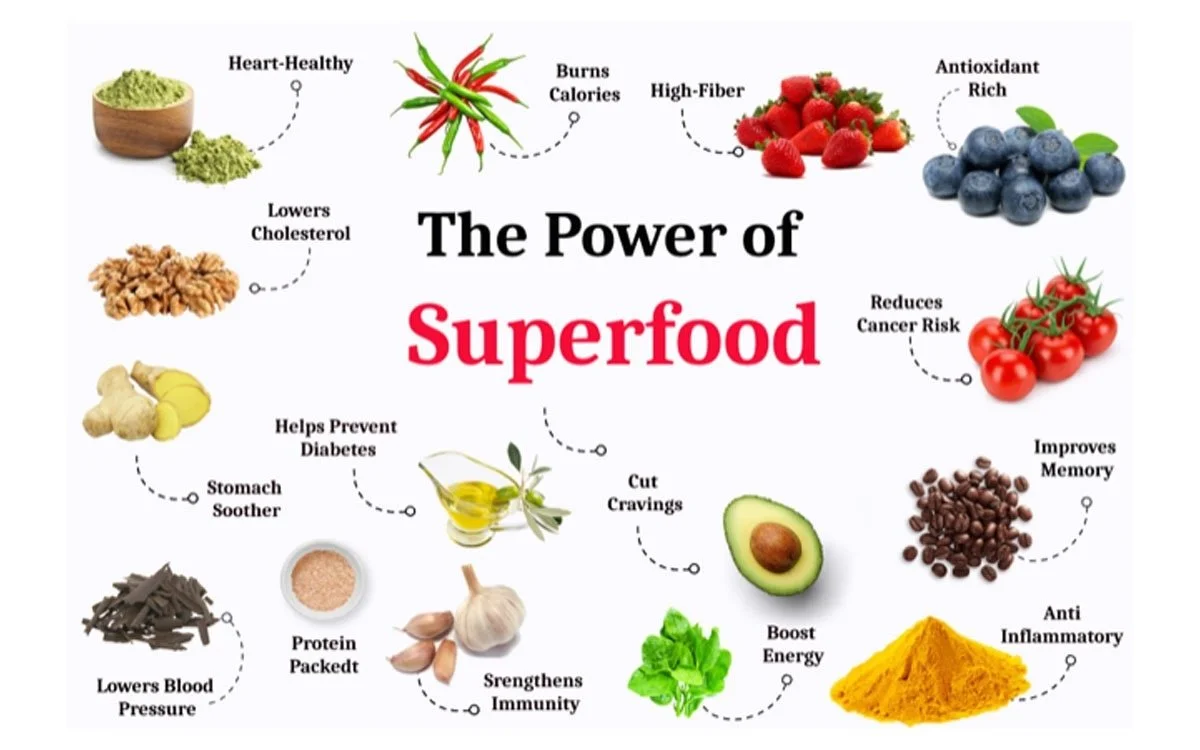
The Superfoods Diet essentially refers to a style of eating that emphasizes consuming foods based on their nutritional value – the foods offering the most nutrients or beneficial compounds per serving are favored.

Superfoods are often rich in antioxidants, vitamins, minerals, phytonutrients, enzymes, and fiber. These foods help support the immune system and reduce oxidative stress in the body that can lead to early aging and, eventually, disease. Many people feel that foods have to be exotic to be considered a superfood, but others feel that all whole foods are “super” foods.

 Foods to include:

  • Berries (acai, blueberries, blackberries, tart cherries, raspberries, goji, lingonberries)

  • Leafy greens (collard greens, kale, bok choy, mustard greens, chard)

  • Beans/legumes (lentils, black beans, peas)

  • Whole grains (oats, quinoa, brown rice, forbidden rice)

  • Mushrooms (chaga, reishi, shiitake)

  • Seeds (chia, hemp, flax, pumpkin)

  • Probiotic-rich foods (pickles, tempeh, kombucha, kefir)

  • Pasture-raised eggs

  • Pomegranates

  • Avocados

  • Ginseng

  • Spirulina and blue-green algae

  • Wheatgrass

  • Maca

  • Turmeric

  • Green tea

  • Cacao

  • Juices/smoothies

  • Organic foods (no pesticides)

Foods to avoid:

  • Refined foods (sugar, grains, etc.)

  • Most animal foods

  • Artificial colors, sweeteners, and preservatives

  • GMOs

Pros:

  • Relies mostly on whole foods

  • High in antioxidants

  • May help to support longevity

Cons:

  • May be more costly

  • May require more prep time

  • Some superfoods may interact with certain medications – if you are on medication, consult your physician first to make sure there isn’t a risk of a food-drug interaction.

Source:

  • Wolfe, D. (2009). Superfoods. Berkeley, CA: North Atlantic Books.

Swiss Diet

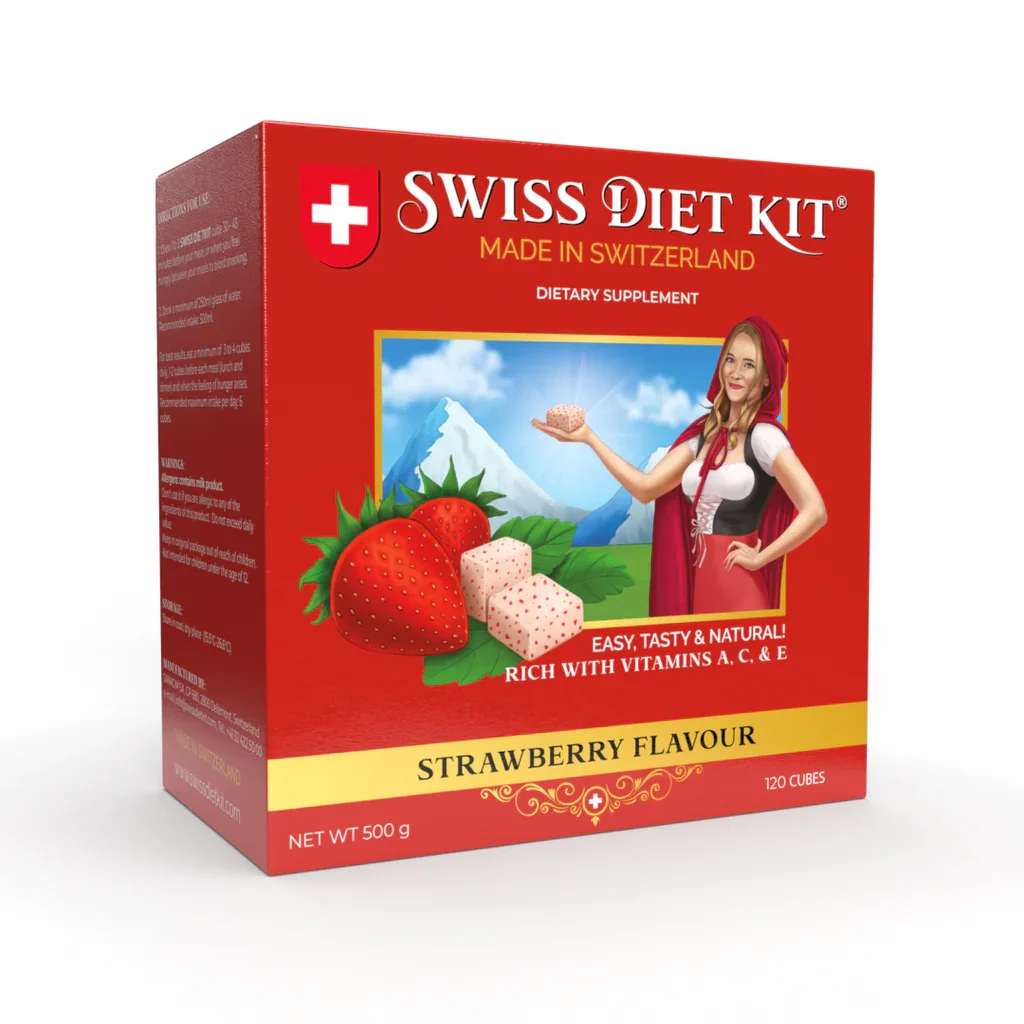
The Swiss Diet was developed by Thomas Rau, MD and part-owner of the Paracelsus Klinik in Switzerland. He pioneered the Swiss Biological Medicine™, a model of care in Europe. His approach is based on the belief that cells completely renew themselves within seven years, thus giving the opportunity for significant renewal and transformation.

The goal is to heal sick and/or dysfunctional organs and systems in the body, making them vital again by stimulating healthy new cell growth. In his book, The Swiss Secret to Optimal Health, Dr. Rau provides a three-week detoxification diet for whole body healing. The diet addresses the source of many symptoms and promotes the following:

  • Elimination of food allergies

  • Purging of toxins

  • Alkalization of the body

  • Boosting the body’s natural immune system

  • Anti-aging

 The Swiss Diet prohibits sugar, caffeine, processed foods and alcohol. It encourages vegetables and whole grains, and limits animal protein to chicken and/or fish a few times per week. Dr. Rau recommends modest amounts of sheep and goat cheese such as Manchego, Roquefort, feta, and Pecorino Romano. The diet claims effortless weight loss and renewed well- being. It aids in healing many autoimmune and inflammatory diseases including:

  • Allergies

  • Asthma

  • Arterial sclerosis

  • High blood pressure

  • Arthritis

  • Osteoporosis

  • Cancer

  • Chemotherapy side effects

  • Acid reflux

  • Type 2 diabetes

 The Swiss Diet has two phases. The first is a strict detox where dieters only consume vegetables, fruits, and some grains. Animal protein, alcohol, sugar and processed foods are forbidden. In phase 2, followers can add lean poultry and fish into their diets, as well as goat and sheep dairy products.

 Foods to include:

  • Vegetables

  • Fruits

  • Whole grains

  • Poultry

  • Fish

  • Eggs

  • Beans

  • Goat and sheep dairy

  • Nuts and seeds

  • Healthy oils

Foods to avoid:

  • Refined grains

  • Meat

  • Sugar

  • Trans fat

  • Processed foods

Pros:

  • Emphasizes whole foods

  • May reduce allergies and boost immunity

  • May lead to weight loss

  • May reduce chronic fatigue

Cons:

  • Initial phase is very restrictive and may lead to obsessive behavior

  • Not suitable for those with dairy allergies

  • Not suitable for vegans

  • Eliminates processed foods

 Source:

Dr. Rau’s Way www.drrausway.com