
The TLC diet, created by the National Institutes of Health’s National Cholesterol Education Program, stands for Therapeutic Lifestyle Changes diet. The objective of the diet is to lower LDL (bad) cholesterol by managing caloric intake, reducing fat and sodium consumption, increasing dietary fiber, and promoting daily physical activity.
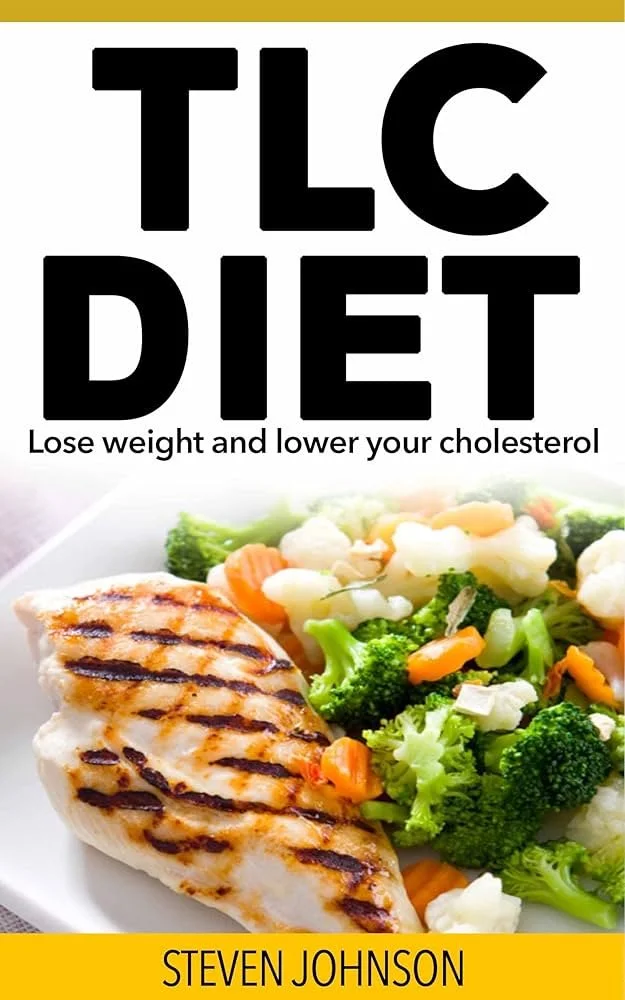
The TLC diet requires individuals to track their daily caloric intake and monitor food consumption by reading nutrition labels and adhering to the following guidelines:
Saturated fat limited to 7% of total daily calories
Unsaturated fat between 25-35% of total daily calories
Dietary cholesterol less than 200mg daily
Sodium consumption less than or equal to 2400mg daily
Daily caloric intake based on number of calories necessary to achieve or maintain healthy weight while reducing blood cholesterol level; determined by weight, gender, and level of physical activity.
30 minutes of moderate physical activity daily
Two grams of plant stanols or sterols and 10-25 grams of soluble fiber daily, to lower cholesterol
Majority of calories from fruits, vegetables, and whole grains
The TLC diet claims to lower LDL cholesterol by 8-10% in six weeks and ultimately reduce the risk of cardiovascular disease.
Foods to include:
Vegetables
Fruits
Whole grains
Lean meats
Lean poultry
Fish
Beans
Low-fat or non-fat dairy
Nuts and seeds
Oils
Foods to avoid:
Processed foods
Refined grains
Sugar
High-fat meat
High-fat poultry
Full-fat dairy
Pros:
Encourages label-reading, increasing food awareness
Includes daily exercise
Promotes whole foods
Includes healthy fats, essential for brain function
Cons:
Label-reading can be time consuming
Requires meal planning; may not be practical
Some people thrive on full-fat dairy
Sources:
TLC www.health.usnews.com
Therapeutic Lifestyle Changes www.webmd.com
Lowering Your Cholesterol with TLC www.nhlbi.nih.gov