
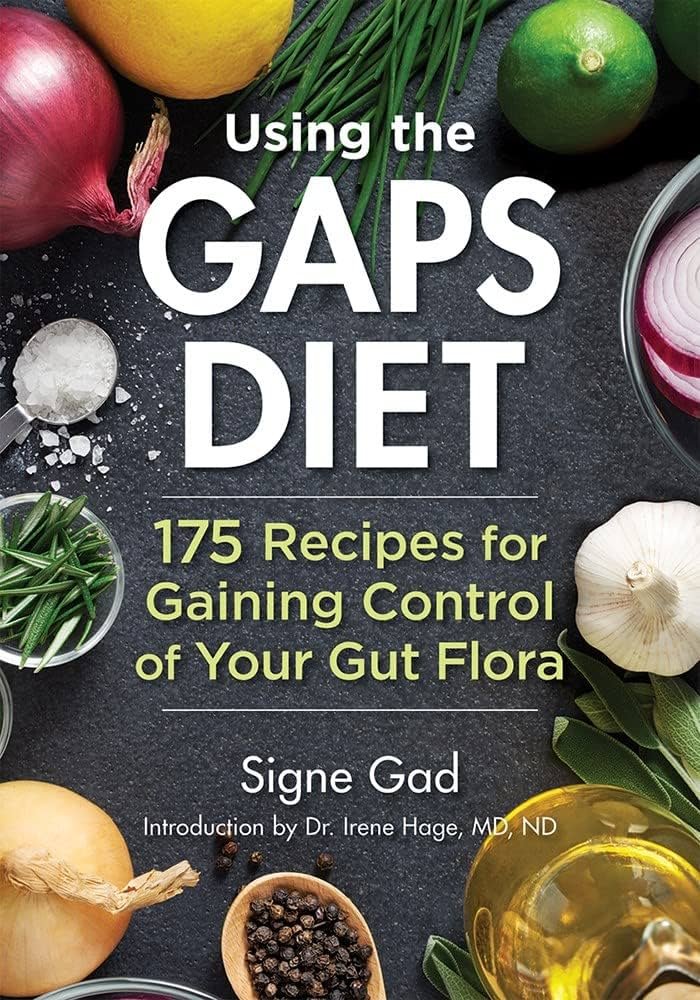
The GAPS Diet, an extension of Natasha Campbell-McBride’s Specific Carbohydrate Diet, is a comprehensive nutritional program for people who suffer from Gut and Psychology Syndrome or mental disabilities due to improper gut function. Campbell-McBride, a neurologist and nutritionist, created the GAPS diet in response to her findings that many brain-related conditions, such as autism, ADD/ADHD, dyspraxia, dyslexia, and schizophrenia, might be treated by healing the gut.
In addition to a specific way of eating, Campbell-McBride recommends probiotics, essential fatty acids, digestive enzymes, vitamin A, and other vitamin and mineral supplements to alleviate GAPS symptoms. Detoxification makes up the third part of this plan: In order to heal the gut, it’s necessary to cleanse the body of the toxins that have accumulated over time – juicing and other methods of purifying the body are suggested. Depending on the severity of GAPS, patients may need to follow the diet for two or more years.
Most patients enter the six-part introduction diet before moving onto the full GAPS diet. This serves as an initiation to the healing process and is recommended for all patients, especially those with severe digestive symptoms or food allergies. During the introduction diet, specific guidelines are given in terms of which foods may be consumed. Broth, quality fats, easy-to-digest vegetables, fermented vegetables, and boiled meats are most common. Once a patient begins to experience relief from digestive symptoms, other foods (such as raw vegetables, juices, nuts, fruit, and nut flours) can be slowly added to the diet.
Once a patient reaches the full GAPS diet, more variety may be consumed, though the guidelines are patient-specific. All phases exclude grains, starchy vegetables, sugars, dairy, legumes, and processed foods.
Foods to include:
Non-starchy vegetables
Fruits
Meat
Poultry
Fish
Eggs
Beans
Some dairy
Nuts and seeds
Healthy oils
Foods to avoid:
Grains
Most dairy
Sugar
Agave
Sugar replacements
Baking powder
Yeast
Beer
Potatoes
Chocolate
Instant coffee
Processed foods
Trans fats
Pros:
Emphasizes whole foods
May heal lifetime ailments
Can be a lifestyle rather than a diet
Cons:
Very restrictive
Some may be opposed to eating meat
May be difficult to plan meals
Sources:
Simplified GAPS Outline www.gapsdiet.com
What is the GAPS diet www.nourishedkitchen.com