
MyPlate Diet

In 2011, the USDA replaced MyPyramid with MyPlate, an icon that illustrates the 2010 Dietary Guidelines for Americans. MyPlate serves as a reminder for individuals to maintain healthy eating habits as defined by the government. These guidelines, intended for the general public, emphasize a well-rounded diet that is low in saturated and trans fats, sugar, cholesterol, and sodium. It differentiates between whole and refined grains and provides a detailed list of protein options including nuts, seeds, and legumes.
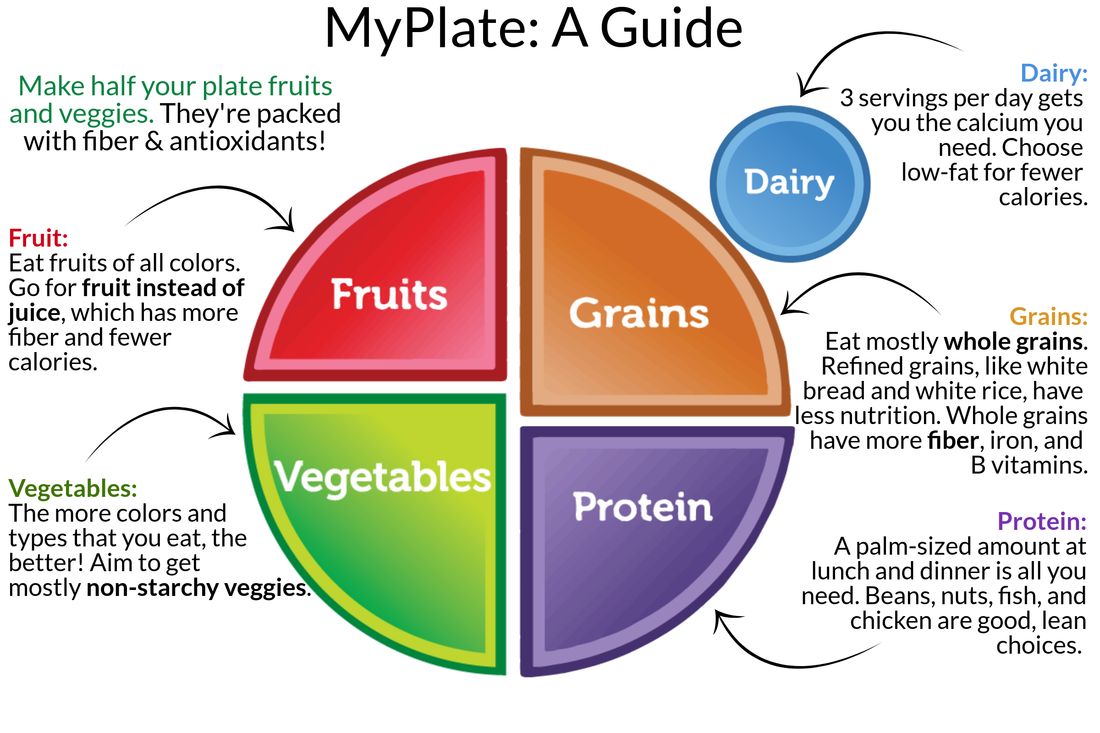
The 2010 Dietary Guidelines for Americans aim to provide balanced nutrition information that supports healthy weight management, contributing to a reduction of chronic disease. These guidelines promote an increase in physical activity and informed food choices and a reduction in daily calorie intake. The MyPlate icon contains five sections represented on a plate: fruits, vegetables, protein, grains, and dairy. The icon displays these sections to indicate that a proper meal should consist of 50% fruits and vegetables, 25% grains, and 25% protein. It also suggests that a small portion of dairy should be included each day. Serving sizes vary for males and females and are also tailored to different age groups.

The website features helpful tips and support, including detailed instructions on how to build a healthy meal. It provides information on how to read food labels, count calories, calculate one’s Body Mass Index (BMI), and control portion sizes. It includes tips for eating out and grocery shopping as well as sample menus and recipes. In addition, the website is a source of helpful information for vegetarians. It also provides a food tracker, which enables individuals to monitor their daily food consumption and plan meals accordingly.

 Foods to include: 

  • Fruits

  • Vegetables

  • Protein

  • Grains

  • Dairy

Foods to avoid:

  • Processed foods

  • Sugary foods

  • Fats and oils

Pros:

  • Emphasizes consumption of fruits and vegetables

  • Easier to follow than MyPyramid

  • Promotes balanced meals

  • Website provides extensive resources

Cons:

  • Doesn’t provide individualized plans based on weight

  • Includes dairy as a main food group – not suitable for lactose intolerants


Sources:

Choose MyPlate www.choosemyplate.gov
MyPyramid Diet

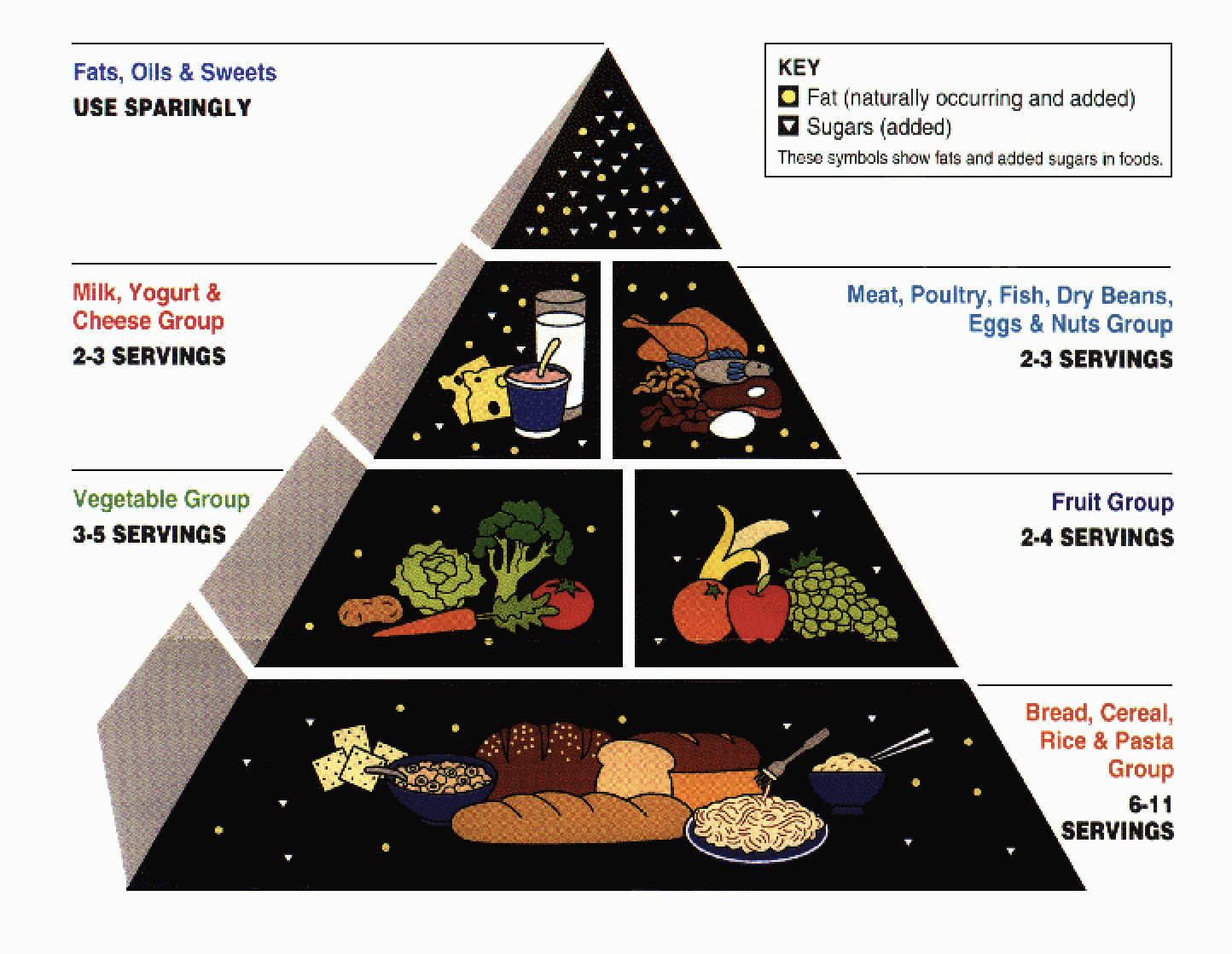
The MyPyramid guidelines – created by the USDA and Department of Health and Human Services – was a government-sponsored guide to eating healthfully and was active from April 2005 to June 2011. These guidelines are based on a 2,000 calorie diet and include fruits, vegetables, whole grains, fat-free or low-fat milk and dairy products, lean meats, poultry, fish, beans, eggs, and nuts. The diet is low in saturated and trans fats, cholesterol, sodium, and added sugars.

Daily recommended servings include two cups fruit, two and a half cups vegetables, six ounces whole grains (the rest don't need to be whole grain), three cups of fat-free or low-fat milk or milk products, and five and a half ounces meat or meat substitute. Fats and oils should be limited, sugar should be consumed less frequently, and alcohol should only be consumed in moderation – one serving per day for women and two servings per day for men. Physical activity is recommended based on the needs of the individual. These guidelines have since been replaced with MyPlate, which may be referenced for free at myplate.gov.

 Foods to include: 

  • Fruits

  • Vegetables

  • Protein

  • Grains

  • Dairy

Foods to avoid:

  • Processed foods

  • Sugary foods

  • Fats and oils

Pros:

  • Emphasizes consumption of fruits and vegetables

  • Promotes balanced meals

Cons:

  • Doesn’t provide individualized plans based on weight

  • Includes dairy as a main food group – not suitable for lactose intolerants

  • Allows processed grains

Sources:

My Pyramid www.cnpp.usda.gov
My Pyramid Guidelines for Healthy Eating www.webmd.com

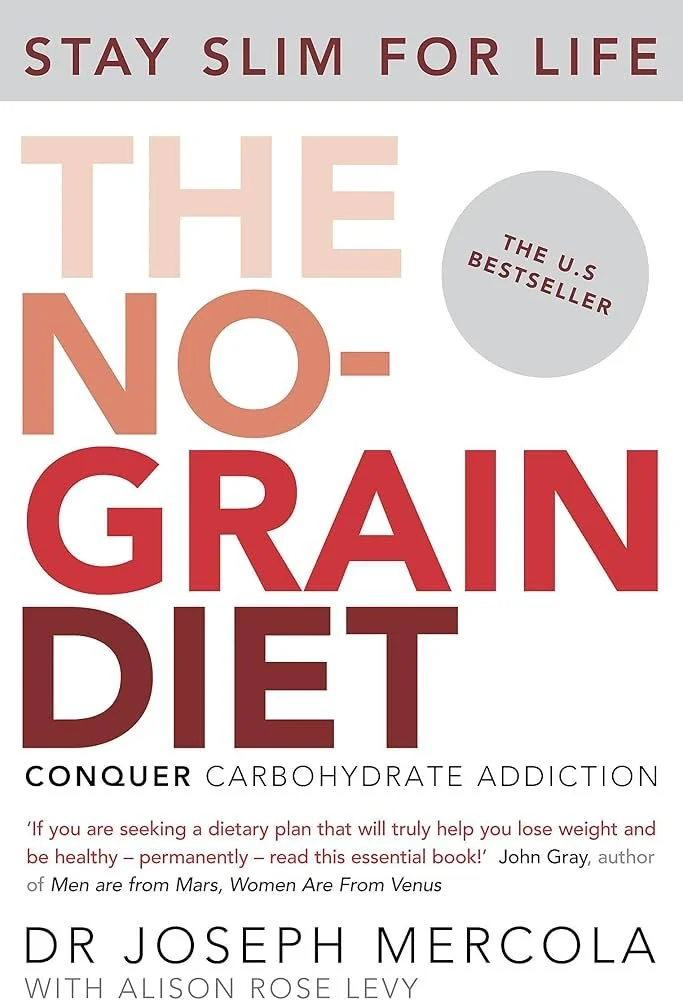
No-Grain Diet

The No-Grain Diet was created by Joseph Mercola, DO, in hopes of encouraging people to reduce and eliminate food addictions and lose weight. The diet is based on the notion that grains and refined carbohydrates spike blood sugar levels and lead to excessive hunger, thus contributing to weight gain.

His approach is similar to the Atkins Diet with an elimination, and ultimately, reduction of grains. It differs in that The No-Grain Diet distinguishes between “good” and “bad” carbohydrates. “Good” carbohydrates include organic whole grains while “bad” carbohydrates include those that are highly processed such as white rice and pasta. Dr. Mercola believes that too many “bad” carbohydrates will suppress the immune system and contribute to allergies, digestive disorders, depression, fatigue, bloating, and high blood pressure. The No-Grain Diet stresses the importance of the quality of carbohydrates consumed and encourages organic food choices whenever possible. In order to preserve the nutritional value of food, the use of microwaves is discouraged. The diet is divided into three phases and may be continued for extended periods of time.

The first phase of the diet lasts three days and requires dieters to eliminate all grains, fruit, starchy vegetables, and sweets. It’s important to eat every two hours during this phase to maintain steady blood sugar levels and reduce cravings and subsequent binges. The second phase of the diet also restricts grains and starchy foods, but the structure of the program changes. Instead of eating every two hours, three meals and three snacks are consumed each day. During this phase, participants are encouraged to exercise five days a week. This phase should last until the desired weight is reached and maintained for four weeks and may last up to another two weeks.

The objective of the third phase is to sustain weight loss. “Good” carbohydrates are gradually incorporated back into the diet along with fruit, some starchy vegetables, and honey. During this phase, it’s particularly important to monitor weight, take note of any fluctuations, and adjust one’s diet accordingly. A form of acupressure, known as the Emotional Freedom Technique (EFT), may also be combined with this diet to address the emotional and psychological reasons for food addiction.

 Foods to include during phases 1 and 2:

  • Low-starch vegetables

  • Protein

  • Dairy

  • Nuts

  • Seeds

Foods to avoid during phases 1 and 2:

  • Fruit

  • Starchy vegetables

  • All grains

  • Sweets

Foods to include during phase 3: 

  • Fruit

  • Vegetables

  • Whole grains

  • Protein

  • Dairy

  • Nuts

  • Seeds

Foods to avoid during phase 3:

  • Processed foods

  • Refined grains

  • Sugary foods

Pros:

  • Encourages consumption of whole, organic foods

  • Distinguishes between whole grains and refined carbohydrates

  • Addresses psychological factors associated with weight gain

Cons:

  • Extremely restrictive in first two phases

  • May not be suitable for vegetarians or individuals not trying to lose weight

 Sources:

The No-Grain Diet www.nograindiet.com
Grain Free Living www.grainfreeliving.com

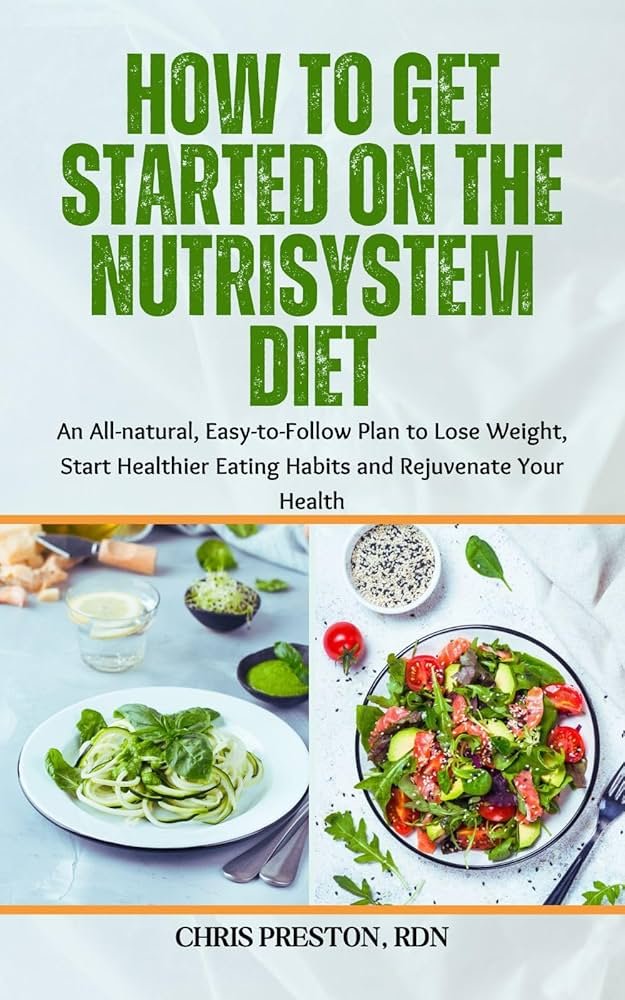
Nutrisystem Diet

Created in 1972, Nutrisystem is a low-calorie diet delivery program meant to help people lose weight through portion control. The foundation of the diet is low-glycemic foods, which are said to keep people fuller longer and reduce appetite by stabilizing blood sugar.

The diet claims that individuals following the plan will lose weight gradually, approximately 1-2 pounds per week. Women are placed on a 1200-calorie diet while men are placed on a 1500-calorie diet. Both are encouraged to incorporate physical activity. Each meal plan consists of 55% carbohydrates, 25% protein, and 20% fat. Once an individual receives a free body assessment online, a 28-day supply of meals (consisting of three meals and two snacks per day) is delivered to their door in microwave-ready pouches. Nutrisystem followers plan their meals and track their progress online, and are given forums to build community and get support. There are more than 120 entrées and desserts to choose from, with gender-specific classifications for adults, seniors, diabetics, and vegetarians. The program encourages customers to supplement with fresh fruits, vegetables, and milk each day from their local market. For a 28-day meal plan, the average cost ranges from $280 to $310, excluding supplemental items.

 Foods to include: 

  • Nutrisystem meals

  • Fruits

  • Vegetables

  • Dairy

Foods to avoid:

  • None

Pros:

  • Packaged meals convenient

  • Portion control helpful

  • Free, unlimited support and counseling services

  • Considers bio-individuality

Cons:

  • Meals require microwave, which may impart toxins on food

  • Most meals highly processed; some contain trans fats

  • Doesn’t include specific exercise guidelines

  • Consumption of fresh fruits and vegetables encouraged, but not included in program

  • Difficult to dine out

Sources:

Nutrisystem Diet www.health.usnews.com
Nutrisystem www.nutrisystem.com
The Nutrisystem Diet www.webmd.com 

Nutritarian Diet

Joel Fuhrman, MD, coined the term “nutritarian” to describe his recommended way of eating.

A nutritarian is “a person whose food choices are influenced by nutritional quality.” The dietary objective is to consume the largest amount of nutrients per calorie in order to avoid disease and maintain balance. Dr. Fuhrman advises followers’ daily intake be comprised of 90% plant-based foods rich in nutrients and phytochemicals. This approach should be individualized based on specific dietary needs.

According to Dr. Fuhrman, fresh fruits and vegetables rank the highest in terms of nutrient density and quality. When evaluating foods, Dr. Fuhrman considers micronutrients, macronutrients, and toxins. Micronutrients include vitamins, minerals, and phytochemicals, and it’s important that humans consume a wide range. Macronutrients include fat, protein, and carbohydrates, and needs will vary per individual. Toxins in food are rampant and should be avoided since they compromise the immune system and the integrity of the body as a whole. Dr. Fuhrman considers trans fats to be toxins, and advises against consuming them. Dr. Fuhrman boasts that nutrient-rich diets allow the body to repair damage and heal naturally through food. Becoming a nutritarian may drastically lower the risk of type 2 diabetes, heart disease, stroke, and obesity.

 Foods to include:

  • Vegetables

  • Fruits

  • Nuts and seeds

  • Legumes

  • Whole grains

  • Poultry

  • Fish

  • Eggs

  • Fat-free dairy

  • Beef (in small amounts)

  • Sweets (in small amounts)

Foods to avoid:

  • Processed foods

  • Refined sugar

  • Trans fats

  • Alcohol

  • Caffeinated beverages

Pros:

  • Encourages whole foods

  • Considers bio-individuality

  • Non-restrictive

Cons:

  • Some may benefit from full-fat dairy

  • May be difficult for some to avoid caffeine

  • May be difficult for some to completely avoid alcohol

  • Some may require more information on portion control to lose weight

Sources:

What is a Nutritarian? www.drfuhrman.com