
Joel Fuhrman, MD, coined the term “nutritarian” to describe his recommended way of eating.
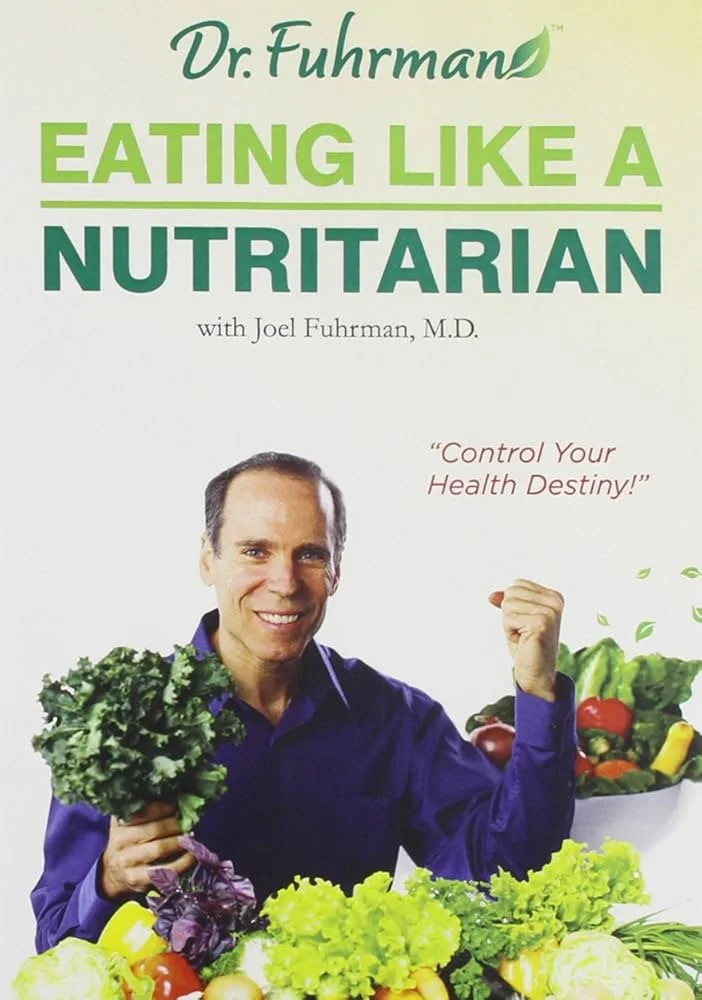
A nutritarian is “a person whose food choices are influenced by nutritional quality.” The dietary objective is to consume the largest amount of nutrients per calorie in order to avoid disease and maintain balance. Dr. Fuhrman advises followers’ daily intake be comprised of 90% plant-based foods rich in nutrients and phytochemicals. This approach should be individualized based on specific dietary needs.
According to Dr. Fuhrman, fresh fruits and vegetables rank the highest in terms of nutrient density and quality. When evaluating foods, Dr. Fuhrman considers micronutrients, macronutrients, and toxins. Micronutrients include vitamins, minerals, and phytochemicals, and it’s important that humans consume a wide range. Macronutrients include fat, protein, and carbohydrates, and needs will vary per individual. Toxins in food are rampant and should be avoided since they compromise the immune system and the integrity of the body as a whole. Dr. Fuhrman considers trans fats to be toxins, and advises against consuming them. Dr. Fuhrman boasts that nutrient-rich diets allow the body to repair damage and heal naturally through food. Becoming a nutritarian may drastically lower the risk of type 2 diabetes, heart disease, stroke, and obesity.
Foods to include:
Vegetables
Fruits
Nuts and seeds
Legumes
Whole grains
Poultry
Fish
Eggs
Fat-free dairy
Beef (in small amounts)
Sweets (in small amounts)
Foods to avoid:
Processed foods
Refined sugar
Trans fats
Alcohol
Caffeinated beverages
Pros:
Encourages whole foods
Considers bio-individuality
Non-restrictive
Cons:
Some may benefit from full-fat dairy
May be difficult for some to avoid caffeine
May be difficult for some to completely avoid alcohol
Some may require more information on portion control to lose weight
Sources:
What is a Nutritarian? www.drfuhrman.com