Pritikin Diet

The Pritikin Diet was first introduced by nutritionist and researcher Nathan Pritikin in the 1970s. Pritikin had been battling heart disease for many years and made vast improvements through a low-fat diet and exercise plan. This prompted him to co-author The Pritikin Program for Diet and Exercise, and go on to establish The Pritikin Longevity Center in 1976 in an attempt to mitigate heart disease, diabetes, hypertension, and obesity. Since Nathan’s passing, his son, Robert Pritikin, has taken on the mission.
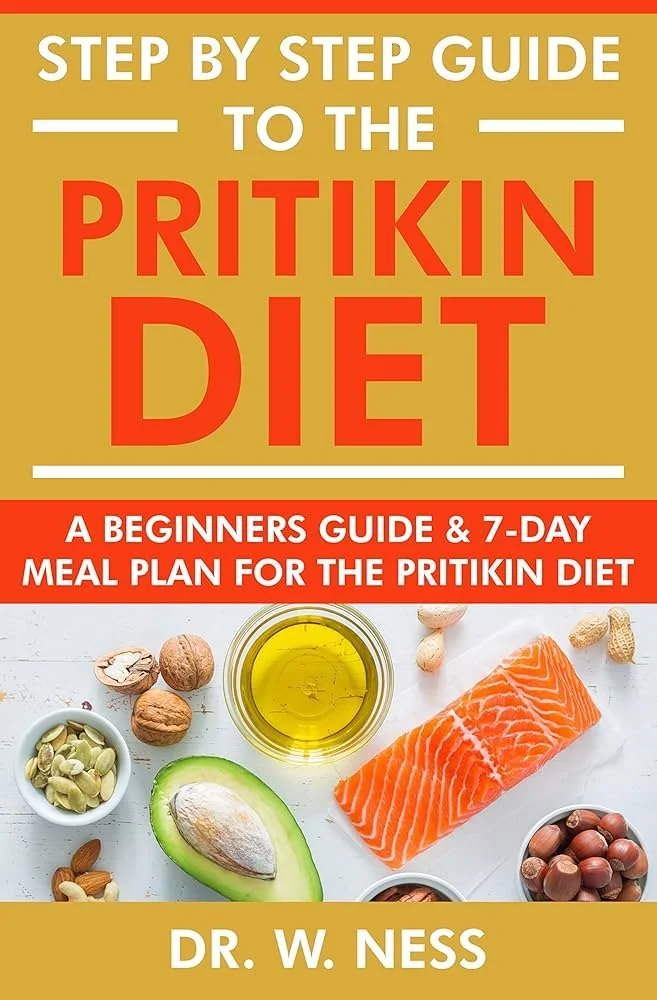
The Pritikin Diet is largely plant-based and low in fat and animal protein. It integrates nutrition with exercise and stress-reduction to promote whole health and well-being. Robert Pritikin has incorporated the principle of calorie density; supporting the concept that weight-loss is determined by calories in and calories out. He teaches that eating low-calorie, high-volume food promotes satiation, leading to reduced overall calorie consumption.

The Pritikin Diet consists of three meals and two snacks each day. It’s important to keep track of the caloric density of each food and keep the average below 400 calories per pound of food consumed. A list of foods and their caloric densities are listed in the book; however, a good rule of thumb is to choose foods that have a high volume of fiber and water. In terms of exercise, Robert Pritikin recommends 30 minutes of exercise for the average individual, and stresses the positive effects of walking.

 Foods to include:

  • Vegetables

  • Fruits

  • Whole grains

  • Lean meats

  • Egg whites

  • Legumes Non-fat dairy products

  • Healthy fats

Foods to avoid:

  • Fried foods

  • Salty foods

  • Processed foods

  • Calorie-dense foods

  • Caffeine

Pros:

  • Calorie reduction may lead to weight loss

  • May reduce the risk of obesity, diabetes, and heart disease

  • Considers primary food such as exercise

Cons:

  • Some people do well on high-quality, full-fat dairy products

  • Low calorie consumption may lead to excessive weight loss

  • Calorie counting may lead to obsessive behavior

 Sources:

Pritikin www.pritikin.com
The Pritikin Principle www.webmd.com.com
Rainbow Green Live-Food Cuisine Diet

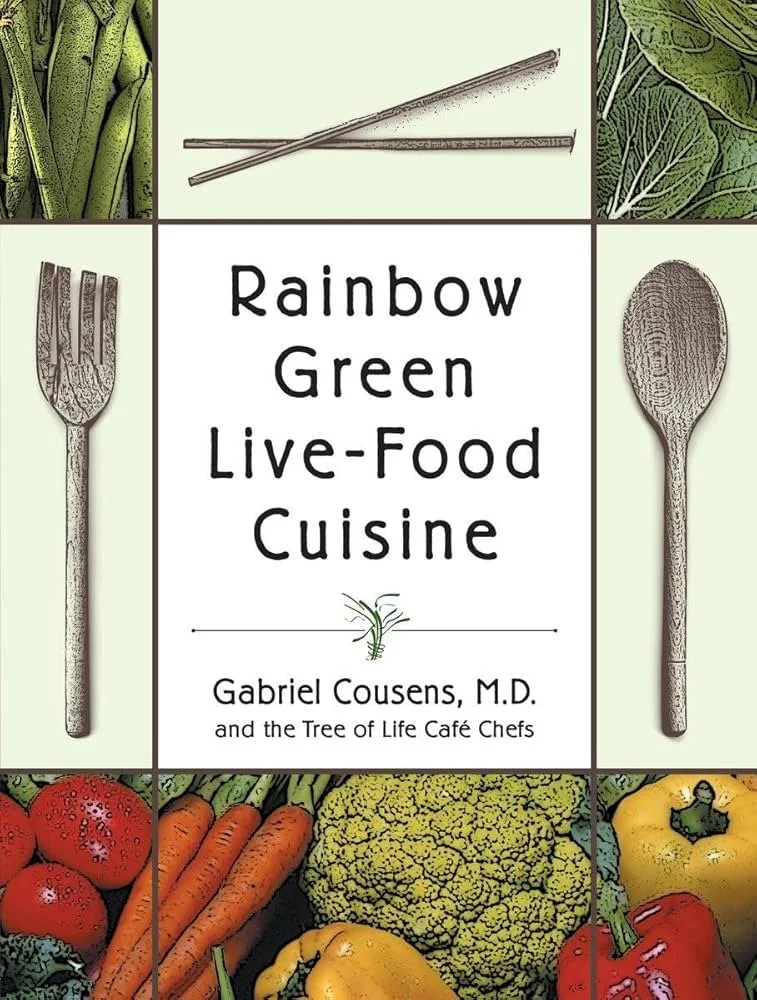
Rainbow Green Live-Food Cuisine by Gabriel Cousens, MD, is a book and dietary approach meant to jump-start health and vitality by fusing Ayurvedic principles and science. It’s an individualized program based on natural, raw, organic, and nutrient-dense live foods. The objective is to reverse chronic illness and degenerative disease while promoting balance and well-being. In addition to describing the major health benefits of this approach, the book contains 250 international vegan recipes.

Dr. Cousens teaches that the body will crave what it needs to survive and thrive, and states that exact food needs will vary from person to person. He teaches that personal preference matters in regards to food consumption – there are those who do well on higher amounts of animal protein, fat, and small amounts of carbohydrates, those who do better with more carbs and less protein, and mixed types. He says that the journey to finding your type is one of trial and error, meaning followers should experiment with different eating styles to see what makes them feel best.

Dr. Cousens integrates spirituality into his eating approach, encouraging devotees to prepare their food with love and consciousness. He believes that all food is living and should be treated as such to ensure the highest number of nutrients is imparted into the body. When food is prepared carelessly (over high heat for example) nutrients are comprised; therefore, Dr. Cousens believes that when we cook our food with care, the prana (or life force) remains intact. Dr. Cousens also believes in service and charity as part of a conscious, vibrant life.

 Foods to include:

  • Land and sea vegetables

  • Fruits

  • Whole grains

  • Beans

  • Nuts and seeds

  • Meat

  • Poultry

  • Fish

  • Superfoods (e.g. chia seeds, blueberries, salmon, etc.)

Foods to avoid:

  • All processed foods

  • Excessive animal protein

  • Dairy

  • Overcooked foods

Pros:

  • Focuses on bio-individuality

  • Encourages whole fruits and vegetables

  • Excludes dairy, which is a common irritant and/or allergen

Cons:

  • Some do well with dairy

  • Some may need a more structured plan to lose weight

 Sources:

Rainbow Green Live-Food Cuisine www.bastyr.edu 
Dr. Cousens www.gabrielcousens.com

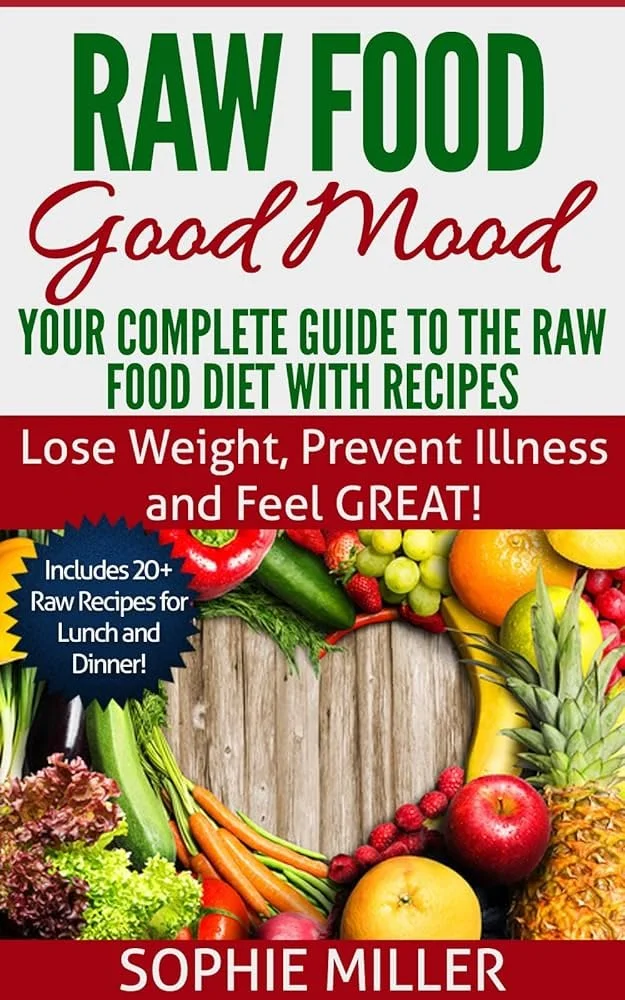
Raw Food Diet

A raw food diet focuses on unprocessed and uncooked plant foods such as fresh fruits, vegetables, sprouts, seeds, nuts, grains, beans, dried fruit, and seaweed. The diet omits foods that are processed or significantly cooked.

Typically, at least 75% of foods must be living or raw on this diet. Most people include a limited amount of foods that have undergone some cooking as long as food is never heated over 115 degrees Fahrenheit. The most popular raw food diet is the raw-vegan diet, but other forms include raw animal products and/or meat. During food preparation, there are specific techniques used to make foods more digestible and add variety to the diet. These include: Sprouting seeds, grains, and beans, juicing fruits and vegetables, soaking nuts and dried fruit, and dehydrating fruits and vegetables.

Raw foodies (the nickname for devotees of this diet) believe that heating food above 115 degrees Fahrenheit destroys critical enzymes that are there to aid digestion and absorption of food. They believe that foods cooked above this temperature lose a significant amount of their nutritional value and are harmful to the body, whereas uncooked foods provide living enzymes and the highest possible nutritional value. Followers believe that the raw food diet improves overall health and immunity, prevents degenerative disease, slows the effects of aging, boosts energy, and balances emotions.

Some caution that a raw food diet may lead to deficiencies in calcium, vitamin D, vitamin B12, iron, and zinc. It has also been found to be too low in calories for some people. Raw foods are also associated with greater incidences of food borne illnesses such as food poisoning, gastroenteritis, or stomach flu. This diet may not be appropriate for children, pregnant or nursing women, people with anemia, or people at risk for osteoporosis. Leading authorities in the area of raw foods include David Wolfe, Brenda Davis, RD, and Gabriel Cousens, MD.

 Foods to include: 

  • Land and sea vegetables

  • Fruits

  • Nuts

  • Seeds

  • Beans

  • Grains

Foods to avoid: 

  • Cooked foods

  • Dairy

  • Meat

  • Poultry

  • Fish

  • Seafood

  • Processed foods

Pros: 

  • May ward off disease and increase energy

  • May jump-start weight loss

  • May improve skin quality

Cons:

  • May be too low-calorie for some people

  • May be difficult to stick to when eating out

  • May cause anemia

 Source:

David Wolfe’s Longevity Now: A Comprehensive Approach to Healthy Hormones, Detoxification, Super Immunity, Reversing Calcification, and Total Rejuvenation

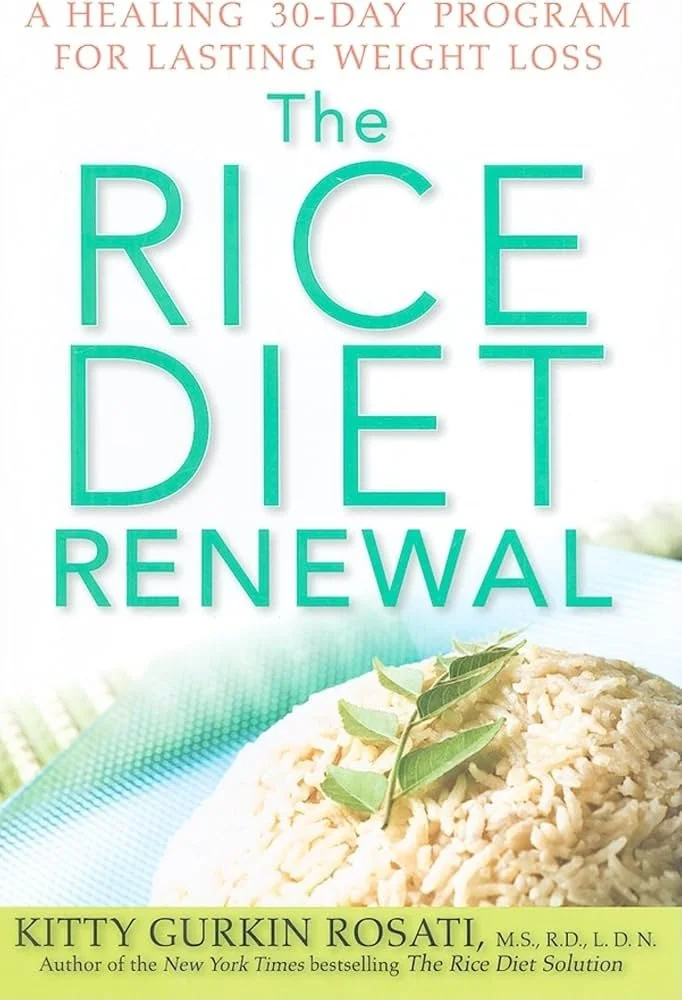
Rice Diet

In 1939, Dr. Walter Kempner treated a patient who had hypertension and renal disease with a diet that consisted of only rice and fruit for two weeks. After the patient had positive results, including weight loss, Kempner created the Rice Diet and opened the Rice House in Durham, North Carolina.

In 1983, Robert Rosati and his wife Kitty took over the center. They are the authors of The Rice Diet Solution, which was published in 2006, and is based on the 1939 Rice Diet Program. The Rice Diet is high in complex carbohydrate, low-sodium, low-fat, low-sugar and low-protein. It’s also very low in calories with dieters consuming as little as 800-1200 calories per day.

Due to the stringent nature of this diet, participants are encouraged to enroll in the program at the Rice House in Durham, where a team of doctors, dietitians, and nurses are there to help with the transition from the initial phase of the program to the second and third phases.

Foods to include:

  • Vegetables

  • Fruits

  • Whole grains

  • Lean meat

  • Lean poultry

  • Lean fish

  • Eggs

  • Beans

  • Non-fat dairy

Foods to avoid:

  • Fried foods

  • Processed foods

  • Sugar

  • Coffee

  • Refined grains

  • Trans fat

Pros:

  • Considers primary food

  • Restricted calorie intake will lead to weight loss

  • Low fat diet may reduce heart problems in some

Cons:

  • Low-sodium levels may have dangerous effect on blood pressure

  • Many recommended products are not widely available and require special orders

  • May be difficult to sustain

  • Diet works best in a controlled environment

Sources:

The Rice Diet Program www.ricedietprogram.com (Links to an external site.)

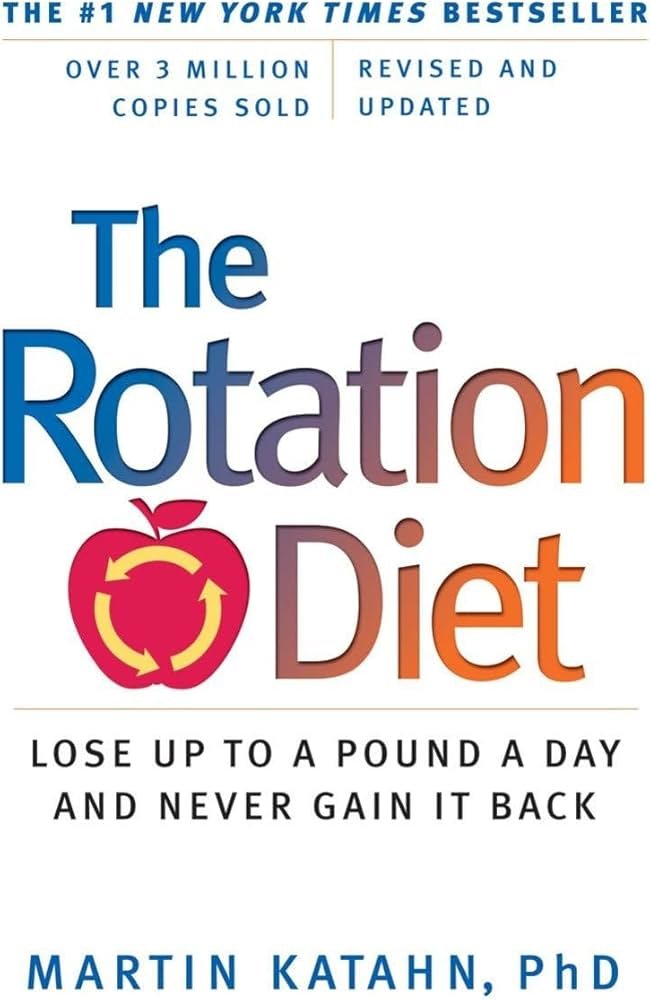
Rotation Diet

The Rotation Diet was created by Martin Katahn, director of the Vanderbilt University Weight Management Program. Katahn is also the author of The 200 Calorie Solution and Beyond Diet.

The concept of this diet, as the name suggests, is to rotate foods and calorie consumption. The central theory behind the Rotation Diet is that there’s a tendency for people to become bored with diets, and for the metabolism to slow down once the body becomes accustomed to any one eating approach. Katahn argues that one can avoid this plateau by adjusting calories to increase metabolic rate.

Followers are instructed to constantly change the number of calories they consume, and the regimen is combined with daily exercise. Dieters consume 600 calories per day for the first three days, 900 calories per day for the next four days, and 1200 calories daily for the next week. This cycle may be repeated, and after 21 days dieters do three days of 1200 calories, then four days of 1500 calories. This diet may be continued as long as followers take a 1-2 week break after four weeks.

If followers are still hungry after consuming their allotted calories, they can consume “safe” foods such as apples. To control eating during the maintenance phase of this diet, Katahn suggests regular exercise, drinking plenty of water, and avoiding artificially sweetened drinks, which are said to spike hunger levels.
This diet is commonly used to determine if an individual has certain food allergies. One of the best ways to help isolate a certain allergy or prevent the development of new food allergies is to maintain a varied diet, and notice how the body reacts to different foods.

 Foods to include:

  • Vegetables

  • Fruits

  • Whole grains

  • Meat

  • Poultry

  • Fish

  • Eggs

  • Beans

  • Dairy

  • Nuts and seeds

  • Healthy oils

Foods to avoid:

  • Refined grains

  • Sugar

  • Trans fat

  • Processed foods

Pros:

  • May lead to significant weight loss

  • May reduce allergy symptoms

  • Can be a lifestyle rather than a diet

 Cons:

  • Dangerously low calorie allotments

  • May lead to obsessive mindset

  • May lead to malnutrition

Sources:

The Rotation Diet www.weightlosscentral.org

Rotation Diet Plans www.livestrong.com