
Rotation Diet

The Rotation Diet was created by Martin Katahn, director of the Vanderbilt University Weight Management Program. Katahn is also the author of The 200 Calorie Solution and Beyond Diet.
The concept of this diet, as the name suggests, is to rotate foods and calorie consumption. The central theory behind the Rotation Diet is that there’s a tendency for people to become bored with diets, and for the metabolism to slow down once the body becomes accustomed to any one eating approach. Katahn argues that one can avoid this plateau by adjusting calories to increase metabolic rate.

Followers are instructed to constantly change the number of calories they consume, and the regimen is combined with daily exercise. Dieters consume 600 calories per day for the first three days, 900 calories per day for the next four days, and 1200 calories daily for the next week. This cycle may be repeated, and after 21 days dieters do three days of 1200 calories, then four days of 1500 calories. This diet may be continued as long as followers take a 1-2 week break after four weeks.

If followers are still hungry after consuming their allotted calories, they can consume “safe” foods such as apples. To control eating during the maintenance phase of this diet, Katahn suggests regular exercise, drinking plenty of water, and avoiding artificially sweetened drinks, which are said to spike hunger levels.
This diet is commonly used to determine if an individual has certain food allergies. One of the best ways to help isolate a certain allergy or prevent the development of new food allergies is to maintain a varied diet, and notice how the body reacts to different foods.

 Foods to include:

  • Vegetables

  • Fruits

  • Whole grains

  • Meat

  • Poultry

  • Fish

  • Eggs

  • Beans

  • Dairy

  • Nuts and seeds

  • Healthy oils

Foods to avoid:

  • Refined grains

  • Sugar

  • Trans fat

  • Processed foods

Pros:

  • May lead to significant weight loss

  • May reduce allergy symptoms

  • Can be a lifestyle rather than a diet

 Cons:

  • Dangerously low calorie allotments

  • May lead to obsessive mindset

  • May lead to malnutrition

Sources:

The Rotation Diet www.weightlosscentral.org

Rotation Diet Plans www.livestrong.com
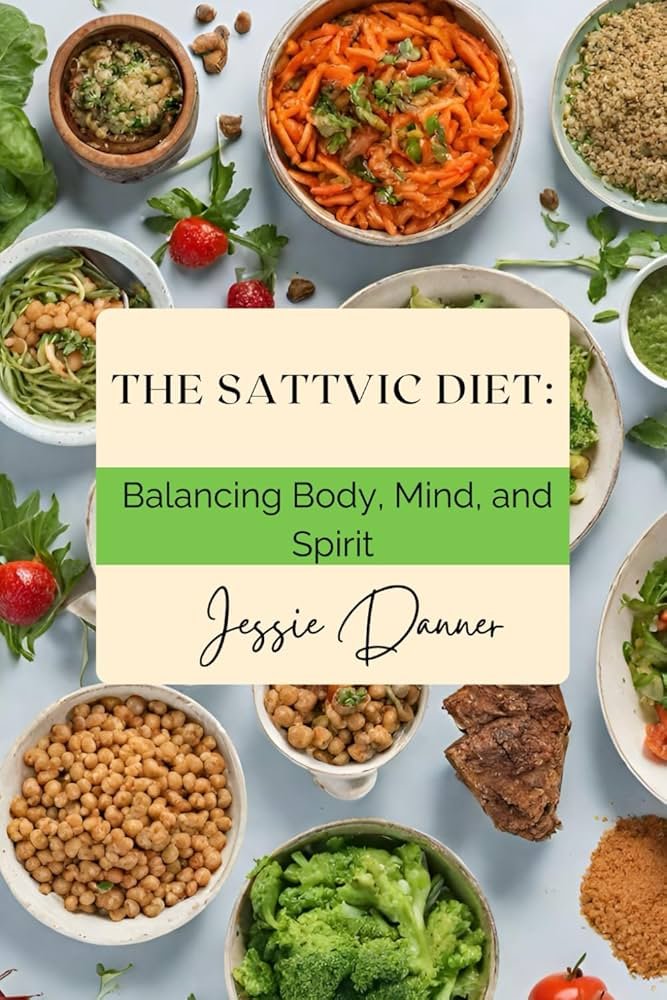
Sattva Diet

The Sattva Diet is also referred to as the Yoga Diet or the Sentient Diet. This diet is primarily vegetarian, which, according to Ayurvedic and Yogic principles, is strong in the “sattva,” or “sattvic” element. Sattva is defined as quietness, calmness, peacefulness and overall cleanliness that allows for an untainted, clear perception of one’s life and the world.

The theory behind this diet is that the foods we consume and the way they’re prepared affects our state of mind. A sattvic diet is rich in fresh, natural, whole, non-spicy, neutral foods. It discourages “rajasic” foods, which are thought to stimulate excessive passion, cravings and uncontrolled desires that distract from our higher purpose. Also to be avoided are “tamasic,” or gas forming foods such as mushrooms and potatoes. These are said to dull the mind and hinder higher levels of perception. They are also said to increase disease susceptibility.

Foods to include: 

  • Some vegetables

  • Fruits

  • Whole grains

  • Beans

  • Nuts and seeds

  • Healthy oils

Foods to avoid:

  • Spices

  • Excess salt and other seasoning

  • Sugar

  • Alcohol

  • Refined grains

  • Processed foods

  • Meat

  • Dairy

  • Trans fat

  • Hot peppers

  • Leeks, garlic, onions

  • Mushrooms

  • Potatoes

Pros: 

  • May lead to significant weight loss

  • May reduce stress and anxiety

  • May improve muscle tone

Cons:

  • May be restrictive for some

  • May cause excessive weight loss

  • May not suit those who prefer seasoned food

 Sources: 

The Yoga Diet www.discover-yoga-online.com
Sattvic Diet www.absoluteastronomy.com

Schwarzbein Diet

The Schwarzbein Principle was developed by Dr. Diana Schwarzbein in the 1990’s. It focuses on the connection between insulin levels and carbohydrate intake.

The claim is that too many carbohydrates may lead to insulin resistance, which may lead to weight gain. The goal of this diet is to stay or become insulin sensitive, not insulin resistant, and to maintain healthy adrenal glands. According to the Schwarzbein Principle, there are ten important rules to follow in order to achieve optimal health:

  1. Never skip a meal

  2. Eat real, unprocessed foods

  3. Eat balanced meals

  4. Choose a protein as the main nutrient in your meal

  5. Add some healthy fats

  6. Add “real” carbohydrates

  7. Add non-starchy vegetables

  8. Eat snacks

  9. Eat solid food

  10. Drink enough water

Another component of this approach is stress management. Schwarzbein encourages individuals to pay attention to stress signals, get enough sleep, make downtime a daily practice and not stress out over small things. She also emphasizes the importance of tapering off common toxic chemicals.

 Toxic chemicals to avoid:

  • Nicotine

  • Artificial sweeteners

  • Illicit drugs and narcotics

  • Certain prescription drugs

Exercise is emphasized as a vital aspect of maintaining overall health and calming the body. Cross- training is viewed as the best approach – mixing resistance training with cardiovascular exercises and stretching.  
Schwarzbein also advocates Hormone Replacement Therapy as an option for women who are experiencing hormone imbalances. This component of the diet makes it attractive to peri- and post-menopausal women.

 Foods to include:

  • Vegetables

  • Fruits

  • Whole grains

  • Meat

  • Poultry

  • Fish

  • Eggs

  • Beans

  • Dairy

  • Nuts and seeds

  • Healthy oils

Foods to avoid:

  • Alcohol

  • Refined sugar

  • Preservatives

  • Trans fat

  • Caffeine

Pros:

  • May reduce the risk of chemical-related diseases

  • May improve immunity

  • May lead to weight loss

  • May stabilize blood sugar and therefore energy levels

 Cons:

  • May be difficult for some to avoid caffeine

  • May be difficult for some to avoid alcohol

  • Not suitable for those with dairy allergies

 Source:

The Schwarzbein Principle www.schwarzbeinprinciple.com

Seventh-Day Adventist Diet

The Seventh-Day Adventist Diet is a lifestyle that has been around for over 130 years and is seen as a way of honoring God. The diet is mainly vegetarian, with an abundance of whole grain breads, fruits, and vegetables, as well as moderate amounts of beans, nuts, seeds, and low-fat dairy.

Individuals that follow this diet have reduced rates of heart disease, diabetes, and stroke, presumably due to the avoidance of foods high in saturated fats and cholesterol. Even though the Seventh-Day Adventist Diet is predominately a lacto-ovo-vegetarian approach, some followers consume lean meat on occasion, while others are completely vegan.

Self-control is seen as an important component of this diet. Caffeine, alcohol, and addictive drugs are not permitted, as they are said to interfere with the absorption of vital nutrients. Exercise, sun exposure, and daily rest are encouraged. It’s also recommended that individuals following the diet make sure they’re receiving adequate amounts of protein, zinc, iron, calcium, and vitamin B12.

Foods to include: 

  • Vegetables

  • Fruits

  • Whole grains

  • Meat, optional

  • Poultry, optional

  • Fish, optional

  • Eggs, optional

  • Beans

  • Dairy

  • Nuts and seeds

  • Healthy oils

Foods to avoid: 

  • Meat, in most cases

  • Poultry, in most cases

  • Fish, in most cases

  • Eggs, in most cases

  • Refined grains

  • Sugar

  • Trans fat

  • Processed foods

  • Caffeine

  • Alcohol

  • Drugs

Pros:

  • Emphasizes whole foods

  • Can be a lifestyle rather than a diet

  • May involve time for meal preparation

Cons:

  • Some require more meat in the diet

  • May lead to orthorexia in some cases

  • Not suitable for those with dairy allergies

 Source: 

Seventh-Day Adventist Position Statement www.sdada

Slim-Fast Diet

The Slimfast 3-2-1 approach to dieting is based on portion control and meal replacements. Each dieter is allowed 1200 calories per day, comprised of any combination of the 3-2-1 components.

The 3-2-1 approach: 

  • Three 100 calorie snacks

  • Two Slimfast shakes or meal replacement bars

  • One 500 calorie balanced meal

According to Slimfast, a balanced meal is comprised of 50% vegetables, 25% lean protein, and 25% whole grains or other complex starch. Slimfast has its own line of shakes, meal replacement bars, and snacks that are said to include vitamins, minerals and fiber. The objective is to avoid overeating by satisfying hunger and cravings throughout the day. This helps boost metabolism and maintain energy levels while providing structure and discipline.

The Slimfast Diet is in line with the 2005 Dietary Guidelines and implements a method that appeals to individuals who enjoy having quick meal replacement and snack options that require little thought and preparation. Weight loss is a gradual process and is approximated at one to two pounds per week. The Slimfast website is user-friendly and has a support network of Registered Dietitians available to answer questions and provide guidance.

 Foods to include:

  • Vegetables

  • Fruits

  • Whole grains

  • Lean meat

  • Lean poultry

  • Fish

  • Beans

  • Non-fat dairy

  • Nuts and seeds

  • Healthy oils

  • Slimfast bars and shakes

Foods to avoid: 

  • Refined grains

  • High-fat meat and poultry

  • Full-fat dairy

  • Eggs

Pros:

  • Convenient grab-and-go options

  • Encourages portion control

  • Requires little planning

  • Calorie calculations are done for you

Cons:

  • Not suitable for those with soy allergies or lactose intolerance

  • Meal replacements may become monotonous

  • Most Slimfast items are highly processed and contain chemicals

 Sources:

Slimfast www.slimfast.com
Slimfast Diet www.health.usnews.com