Sonoma Diet

The Sonoma Diet was inspired by California's wine country in Sonoma Valley and is based on wholesome, flavorful, satisfying food.
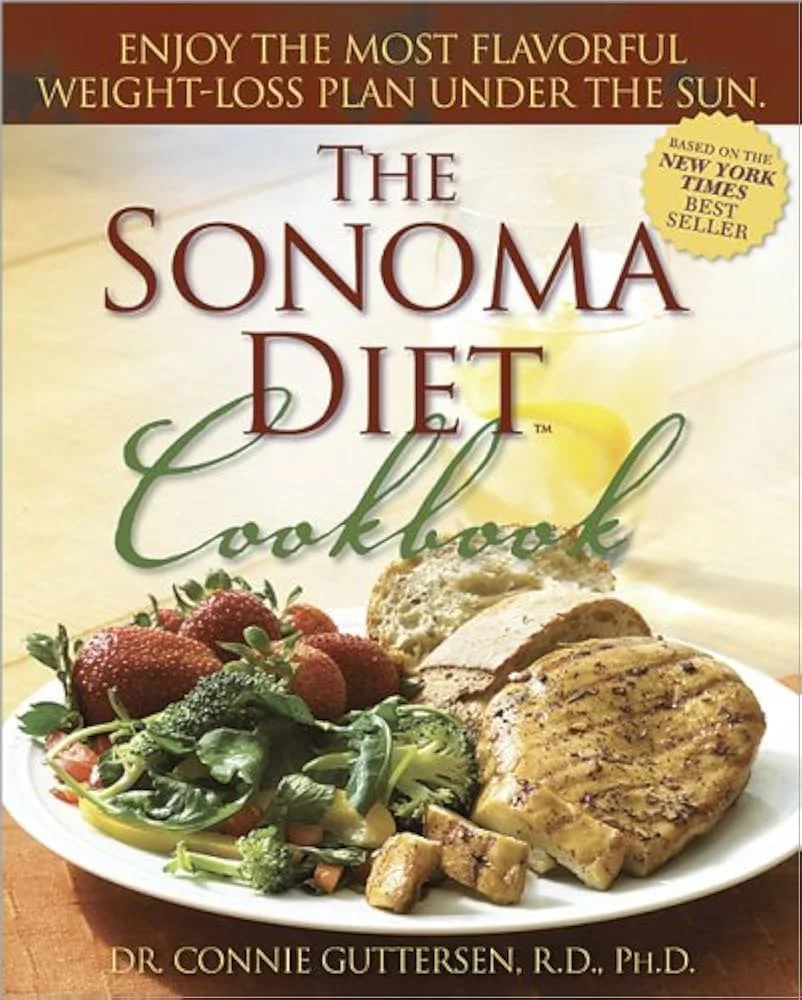
The approach emphasizes seasonal power foods like fresh berries and hearty whole grains. These types of foods deliver nutrients with a minimum number of calories. The Sonoma Diet, influenced by the Mediterranean diet, stresses the importance of enjoying food while remaining mindful of quality and quantity. Connie Gutterson, author of The Sonoma Diet, recommends an initial 10-day purge of any sweet, fake, or refined foods in order to reset cravings. 

Wave 1: 
Wave 1 is the first 10 days of the diet where sugary, processed foods are removed and the body is reset. During this wave, meals consist of protein, vegetables and whole grains. Fat is limited to three teaspoons of canola oil, olive oil or avocado oil. No white flour, hydrogenated oils or white sugar are permitted.

Wave 2:
Wave 2 makes up most of the plan and may be continued until desired weight is reached. In addition to protein, vegetables and grains, this wave includes 25% fruit. During this time, some starchy vegetables, such as peas, may be incorporated into meals, but potatoes are not permitted. Six ounces of wine may also be consumed.

Wave 3:
Wave 3 is the maintenance phase where more starchy fruits and vegetables may be added and an occasional treat may be enjoyed.

12 Power Foods

  • Almonds

  • Bell peppers

  • Grapes

  • Broccoli

  • Strawberries

  • Whole grain

  • Blueberries

  • Extra-virgin olive oil

  • Spinach

  • Tomatoes

  • Beans

  • Citrus

 Foods to include: 

  • Vegetables

  • Fruits

  • Whole grains

  • Meat

  • Poultry

  • Fish

  • Eggs

  • Beans

  • Dairy

  • Nuts and seeds

  • Healthy oils

Foods to avoid:

  • Refined grains

  • Sugar

  • Trans fat

  • Processed foods

Pros:

  • Can be a lifestyle rather than a diet

  • Wide range of nutrients and flavors

  • Emphasizes whole foods

  • Phase 1 may lead to rapid weight loss

Cons:

  • Recommends canola oil, a controversial and possibly detrimental item

  • Phase 1 may be challenging and lead to obsessive behavior

  • Some may need a more structured ongoing plan to see results

 Source:

Sonoma Diet www.sonomadiet.com 
South Beach Diet

The South Beach Diet was written by Dr. Arthur Agatston, MD, cardiologist and associate professor of medicine at the University of Miami’s Miller School of Medicine. His original plan was to help heart disease patients by improving their cholesterol and insulin levels through diet. Dr. Agatston didn’t set out to create a popular weight loss plan, however, his patients’ great results lead him to make his approach public in 1995. 

The South Beach Diet is comprised of low-GI foods since they don’t cause significant fluctuations in blood sugar levels. This reduces the risk of spikes and crashes in energy, and subsequent cravings for high-fat and/or high-sugar foods. Snacks are required two times per day in order to ensure blood sugar levels remain stable. Agatston’s approach is comprised of three phases:

Phase 1
Phase 1 lasts two weeks and is intended to eliminate sugar cravings and stabilize blood sugar levels. This phase includes nutrient-dense, fiber-rich vegetables, lean protein, low-fat dairy, eggs, and healthy fats. Foods to avoid include high-starch vegetables and processed carbohydrates, such as pasta, rice, and bread, since they break down quickly and cause a spike in blood sugar levels. Alcohol is forbidden during this phase.

Phase 2:
Phase 2 lasts as long as it takes to lose the desired amount of weight. An individual may start the diet here if they only wish to lose 10 pounds or less, or if they simply want to eat more whole, clean foods for optimal vitality. In addition to all the foods from Phase 1, complex carbohydrates such as whole-grain bread, whole-wheat pasta, brown rice, sweet potatoes, and peas may be eaten during this phase.

Phase 3:
Phase 3 is the maintenance phase and may begin once an individual has reached their ideal weight. This phase allows for more flexibility and tactful indulgences, while sticking to whole, unprocessed foods as often as possible.

Physical exercise is highly encouraged. There is a fitness club on the website and the recommended exercise plan includes walking and strength conditioning.

 Foods to include: 

  • Vegetables

  • Fruits

  • Whole grains

  • Meat

  • Poultry

  • Fish

  • Eggs

  • Beans

  • Low-fat dairy

  • Nuts and seeds

  • Healthy oils

Foods to avoid:

  • Refined grains

  • Sugar

  • Trans fat

  • Processed foods

Pros:

  • Website offers recipes, support, and weight loss tools

  • No calorie or carbohydrate counting

  • Free of refined sugars and trans fat

  • Includes a maintenance plan

Cons: 

  • During phase 1, extreme carbohydrate restriction may be very difficult for some and lead to binging

  • Low-carbohydrate approach may have health risks

  • Some people may need or want to count calories to see results

 Source:

South Beach Diet www.southbeachdiet.com

South Beach Diet Gluten Solution

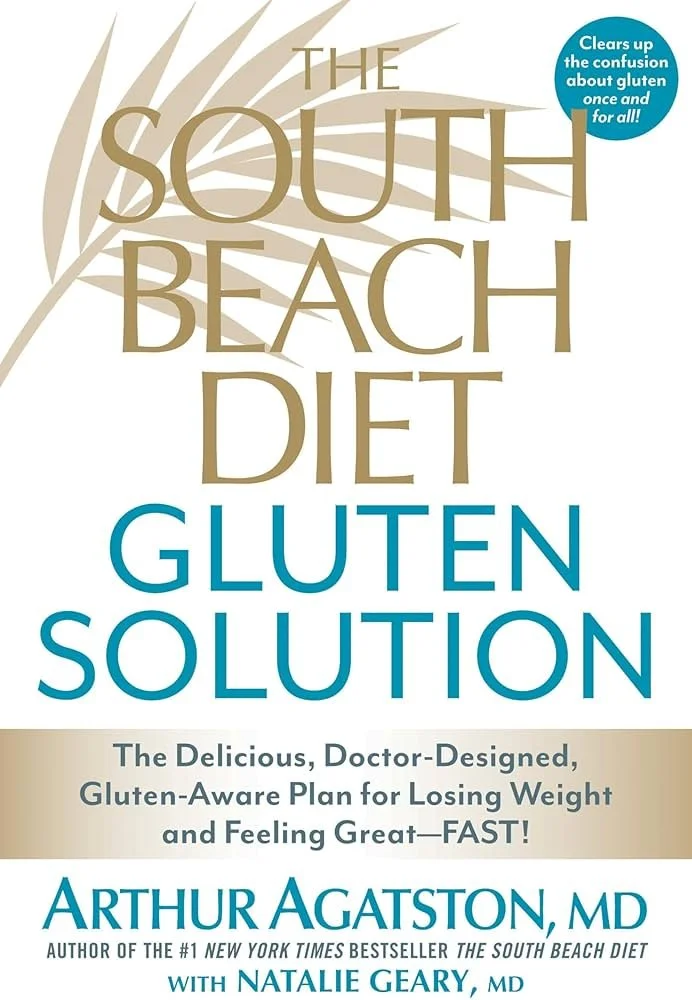
World-renowned cardiologist Arthur Agatston, MD, created The South Beach Diet Gluten Solution. In his book of the same title, Agatston demystifies whether or not some people should give up gluten completely, and discusses whether or not a gluten-free lifestyle promotes weight loss.

The South Beach Diet Gluten Solution is based on the original South Beach Diet eating principles, but also helps readers determine their level of gluten-sensitivity, if any. This program aims to have followers drop up to 10 pounds in just two weeks by choosing sensible whole grains or opting for healthy gluten-free foods. Each dieter will follow a different regimen based on their gluten sensitivity. Two phases included in this program will help readers to achieve weight loss.

In phase 1, followers give up wheat, barley, rye, and any other gluten-containing foods for two weeks. Even gluten-free grains and fruits are eliminated, with the goal of stabilizing blood sugar. In phase 2, you introduce gluten-free starches and fruits over 14 days, with a daily maximum of three servings of each. After four weeks of being completely gluten-free, you reintroduce gluten-containing starches, and take note of any reactions you have. This indicates your level of gluten intolerance, if any, and dictates your long-term maintenance diet.

Foods to include:

  • Vegetables

  • Some fruits

  • Lean meats

  • Lean poultry

  • Fish

  • Beans and legumesLow-fat cheesesAlmond milk, coconut milk, soy milk

  • Flaxseed, grapeseed, safflower, and sunflower oils

Foods to avoid:

  • Starchy vegetables

  • All fruits during phase 1

  • High-fat beef and pork

  • Dark meat poultry

  • Processed cheeses

  • Milk

  • Butter

  • Ice cream

  • Trans fats

  • Processed sugar

  • Alcohol

Pros:

  • Gluten-free meal plans included

  • Includes gluten-free recipes

  • Promotes whole grains

  • Contains detailed research on gluten’s impact on health

  • Provides helpful gluten-free dining-out tips

Cons:

  • Doesn’t promote physical activity for weight loss

  • May be difficult to avoid alcohol

  • Some thrive on gluten

 Sources:

Arthur Agatston’s The South Beach Diet Gluten Solution

Specific Carbohydrate Diet

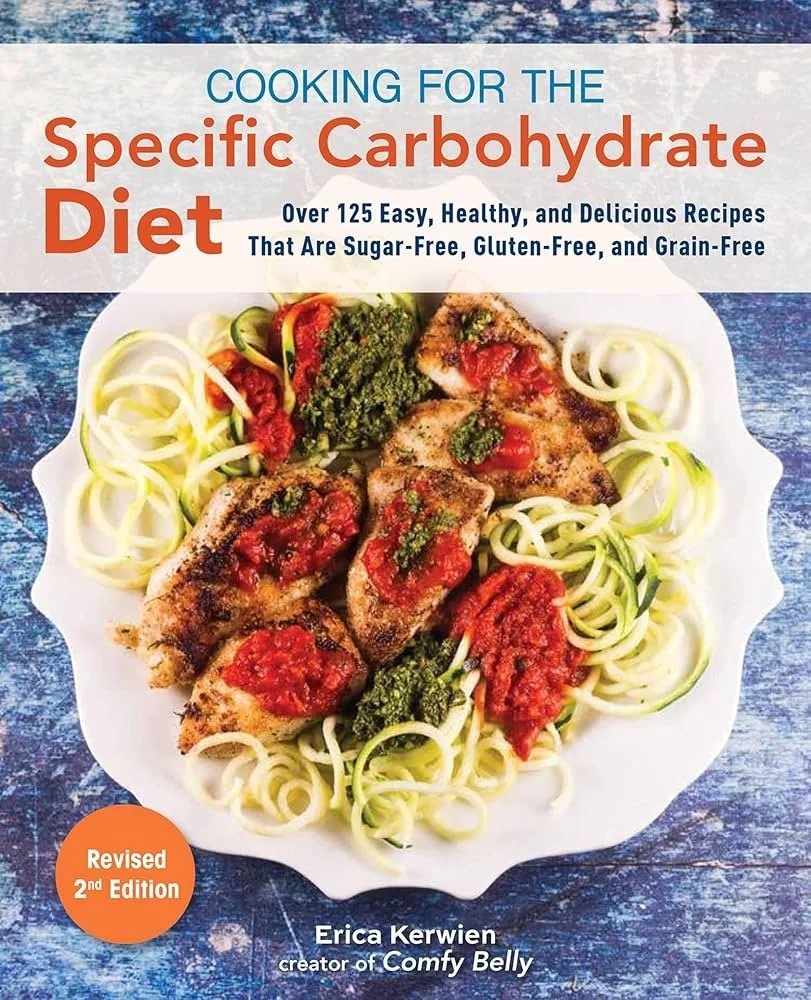
The Specific Carbohydrate Diet was developed by Dr. Sydney Valentine Haas and later popularized by biochemist Elaine Gottschall. The goal of this diet is to help people with Crohn's disease, ulcerative colitis, celiac disease, diverticulitis, cystic fibrosis, and chronic diarrhea. Gottschall contends that “in the last hundred years, the increase of complex sugars and chemical additives in the diet has led to a huge increase in health problems ranging from severe bowel disorders to obesity and brain function disorders.”

The theory behind this approach is that complex carbohydrates and sugars are difficult to digest, and they fuel the overgrowth of yeast and bacteria in the gut, inhibiting digestion and nutrient absorption. The gut then becomes overloaded with toxic waste byproducts that cause damage and irritation. The diet works by starving out these bacteria and restoring the balance of microbial flora in the intestines. The foods that are permissible on this diet roughly follow the hunter-gatherer approach to eating: meat, fish, eggs, vegetables, nuts, and low-sugar fruits.

 Foods to include: 

  • Low-starch, low-sugar vegetables

  • Low-starch, low-sugar fruits

  • Meat

  • Poultry

  • Fish

  • Eggs

  • Butter

  • Natural cheese

  • Natural yogurt

  • Black beans

  • Lentils

  • Nuts

  • Healthy oils

Foods to avoid:

  • Refined sugar

  • Molasses, maple syrup, agave

  • Stevia

  • Chocolate and carob

  • Processed foods

  • Canned foods

  • Grains

  • Flours made from legumes

  • White and sweet potatoes

  • Turnips

  • Milk, kefir, soymilk

  • Processed cheeses

  • Ice cream

  • Soy

  • Seeds, including quinoa, flax, and hemp

  • Cured meats

  • Algae

  • Balsamic vinegar

  • Miso

  • Black-eyed peas

  • Pinto beans

  • Chickpeas

  • Mungbeans

  • Protein powder

  • Beer

  • Cornstarch, dextrose, guar gum, arrowroot, baking powder

  • Boullion cubes or instant soup bases

  • Agar agar, carrageenan, and pectin

  • Ketchup

Pros:

  • May heal digestive issues

  • May improve skin

  • May reduce brain fog

  • May improve energy and relieve chronic fatigue

Cons: 

  • List of “illegal” foods may be intimidating

  • May be difficult to stick to long-term

  • May hinder social interaction

 Sources: 

The Specific Carbohydrate Diet www.breakingtheviciouscyle.info 
The Specific Carbohydrate Diet www.altmedicine.about.com 

Standard American Diet (SAD)

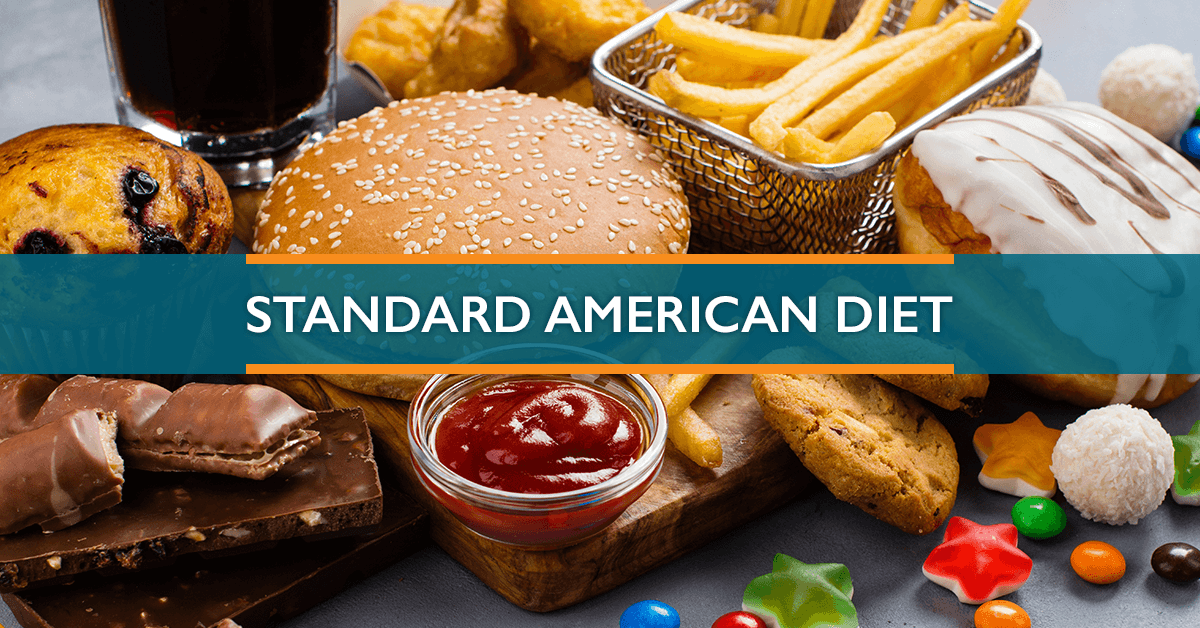
The Standard American Diet (SAD Diet), is one that has evolved over time in the United States.

It consists of highly processed, hormone and antibiotic-filled meats and dairy products, sugar, and refined carbohydrates. This diet is filled with with high-fructose corn syrup, hydrogenated oils, and would hardly be recognizable as food to past generations. Junk-food, packaged foods, food from vending machines, and fast-food have all become main components of this dietary approach and lifestyle. This diet is low in fiber and plant-based foods, and primarily based on convenience rather than nutrition. This type of diet is not recommended for anyone. 

An example of a typical day on this diet: 

  • Breakfast: muffin, coffee, orange juice

  • Snack: bagel and cream cheese

  • Lunch: meat sandwich with chips or fast food burger with fries, soda

  • Snack: candy bar or other vending machine snack

  • Dinner: meat, potatoes, bread, butter, maybe a vegetable

  • Dessert: ice cream or pastry

 Foods to include:

  • Starchy vegetables

  • Some high-sugar fruit

  • Refined grains

  • Meat

  • Cured meat

  • Poultry

  • Fish

  • Eggs

  • Beans

  • Dairy

  • Nuts and seeds

  • Oils

Foods to avoid: 

  • None

Pros:

  • Convenient

  • Allows more time to focus on family and relationships

  • Little preparation needed

  • Easy for busy people and travelers

Cons:

  • One of the most commons causes of major diseases like heart disease, liver dysfunction and cancer

  • May cause significant weight gain

  • May cause chronic fatigue, lethargy, and brain fog

  • May cause early death

 Source:

Standard American Diet www.askdrsears.com