
What Is The South Beach Diet?

south beach diet.jpg

The South Beach Diet was developed by cardiologist Arthur Agatston to help his patients lose weight and maintain a healthy diet for a lifetime. It is designed in phases, like the Atkins Diet, with different eating recommendations in each phase. All phases have the same underlying philosophy, though. Weight loss and maintenance depends on establishing a balanced diet that avoids 'bad' fats and carbohydrates. 
  
The proponents of the South Beach diet claim that you can lose weight and maintain the weight loss without counting calories, weighing portions or depriving yourself of good-tasting, satisfying foods. This is accomplished by cutting out empty, high-carbohydrate foods like sugars, potatoes, rice and white bread. Each phase is specially designed to accomplish a particular goal. 
  
Phase I: Adjusting your Metabolism

In Phase I, you eat three meals and two snacks daily, eating until you are no longer hungry. The phase lasts two weeks, during which time your body will shed 8-13 pounds. 
  
These items are not allowed during Phase I: bread, rice, potatoes, pasta, baked goods, fruit, candy, cake, cookies, ice cream, sugar or alcohol
  
Phase II: Weight Loss

The aim during Phase II is to lose weight, with loss averaging 1-2 pounds per week. During this phase, you will gradually add the restricted foods from Phase I back into your diet, but you will eat less of them. The daily diet on Phase II should consist of: 
  
All the protein you want
Minimum of 4 1/2 cups of vegetables
Up to 3 servings of fruit
Up to 3 portions of starch
1 1/2 cups of milk/dairy (including yogurt) 
3 tbs. fat
  
In real terms, a typical menu for a meal on the South Beach Diet might include something like this: 
  
1 grapefruit
2 scrambled eggs mixed with Monterey Jack cheese and salsa
1 slice of whole grain toast
Decaffeinated coffee or tea, fat-free milk and sugar substitute if desired
  
The eating plan recommended by the South Beach Diet emphasizes low carbohydrate foods, restriction of sweets, processed starches, white sugar and 'unhealthy fats', and all the protein you want. It specifies minimum amounts of low carb vegetables to be eaten daily that are remarkably close to the recommendations made by the USDA and the American Diabetes Association. 
  
A key concept in the South Beach diet is the Glycemic Index. Foods are ranked on a scale of 1-100 according to their Glycemic index - the amount by which they raise blood sugar levels after meals. The focus of your diet should be on foods low on the GI level, such as yogurt, cucumbers and broccoli and whole grain cereal, while avoiding those high on the GI scale such as white bread, potatoes and pretzels. 
  
In addition to the above, the South Beach Diet offers the following guidelines: 

* Drink a minimum of 8 glasses of water and other decaffeinated beverages per day (excluding fruit juices) 
* Limit your intake of caffeine-containing beverages to 1 cup each day
* Take one multivitamin and mineral supplement daily
* Take between 500 and 1,000 mg of calcium daily
  
Phase III: 

The lifetime maintenance plan is nearly identical to the weight loss phase, with more portions of foods allowed. 
  
Dr. Agatston cautions that patients being treated for diabetes, impaired kidney function, pregnancy or other chronic illness should consult their physician before embarking on any weight loss regimen.

 

Weight Lifting Tips For Beginners

man lifting.jpg

Men everywhere are turning towards fitness in attempts to improve their appearance and quality of life. Have you been thinking about beginning a trying a weight lifting routine, but are unsure about where to start? Even it it has been a long time, or you have never tried weight lifting, there are a practically never ending well of resources that can help you to get started. In this article we will be looking at a few easy weight lifting exercises for beginners. 

Lifting Etiquette

Most of us aren't fortunate enough to own a fully equipped workout room, so it's very likely that you will have to obtain membership to a gym of some kind. This means that you will be sharing space with a lot of other people so to prepare you for this, it will be important to learn a few tips about gym etiquette. 

  • Always bring a towel with you. This is to wipe down equipment so it can be ready for whoever uses the equipment after you.

  • Be sure to return any equipment you use to the state in which it was found.

  • Don't spend excess time resting in equipment that has people waiting for use.

  • Leave cell phones off of the gym floor, as it can be distracting to other patrons..

Mistakes To Avoid

Now that you know what some of the rules of etiquette are, it's time to focus on safety. If you aren't careful, poor lifting technique can cause serious injury. 

  • When lifting avoid swinging or throwing the weights around. This can put a strain on joints that culminate in injury.

  • Don't go through reps too quickly. Going too fast can reduce the effectiveness of a lift. Most of the benefit comes from engaging the muscle groups in a slow and controlled manner.

  • The recommended rest period is between 30 and 90 seconds, so anymore than that can diminish the effectiveness of your workout.

Start Slow

Also make sure you start slow and easy with any new weight lifting regimen.

  • It is easy to go straight to 50 reps like your gym neighbor is doing, but are you sure you can handle this much on your first day?

  • There is nothing wrong with starting at 10 reps using low weights, then gradually increasing it as you go along. This helps to avoid injury and burnout.


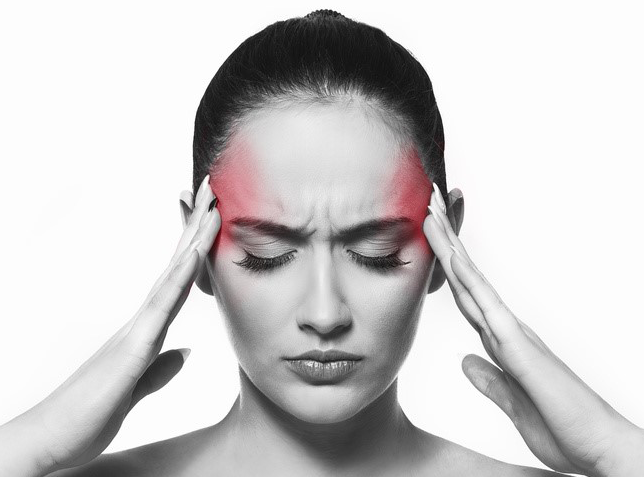
Beware Of These Unusual Migraine Symptoms

migraine.png

*People should know what they are so they can get treatment for their migraines.

  • Nausea and Vomiting

People often know that nausea frequently comes with the migraine pain, but some people actually get this symptom before the migraine shows up. It can be a good early warning sign.

  • Sore Jaw

Sore jaw and neck can be an advanced warning sign of a migraine coming up.

  • Confusion

Many people experience confusion when they are having a migraine.

  • Flashes and Chills

Hot flashes and chills are also common, along with the head pain from a migraine.
 

Dietary Changes to Help With Your Migraines

migraine 2.jpg

Reduce Caffeine and Alcohol

Stimulants like caffeine and alcohol can be big triggers for migraines. Drink non-caffeinated drink alternatives like tea and water.

Eliminate Processed Foods

Foods that are packaged and processed have a tendency to trigger migraines, so I recommend reducing them. 

Cut Out Refined Sugars

Review tips for cutting out refined sugars, such as cookies, cakes, pastries, donuts, and candy.

Be Careful With Malnutrition

Not eating enough of different vitamins and minerals can trigger migraines.

Common Triggers For Migraines

migraine 3.png

The following list is a shortened version of potential triggers. You may want to look up more on your own.

Dietary Choices

Foods and drinks can often be triggers for migraines, including caffeine, alcohol, salty, and processed foods. Mention that some people might have more specific food triggers.

Stress

Lifestyle changes like stress and depression can also lead to migraines for chronic migraine sufferers. Talk about this in more detail, including some simple ways to relieve stress.

Hormonal Changes

This usually pertains to women, who might have more migraines during their menstrual cycles, and some women during pregnancy as well.

Lack of Sleep

Insomnia is a very common migraine trigger, so encourage more sleep.