
Paleolithic Diet

The Paleolithic diet, also known as Paleo or Primal diet, is rooted in the belief that sticking to food our caveman ancestors would have eaten leads to optimal health. This includes meat, fish, nuts, wild fruits, eggs, and more. The goal of the Paleo approach is to consume the foods cavemen did millions of years ago, before the cultivation of grains and legumes, and well before the invention of processed, packaged foods. According to Paleo advocates, if a caveman wouldn’t eat it, modern people shouldn’t either.
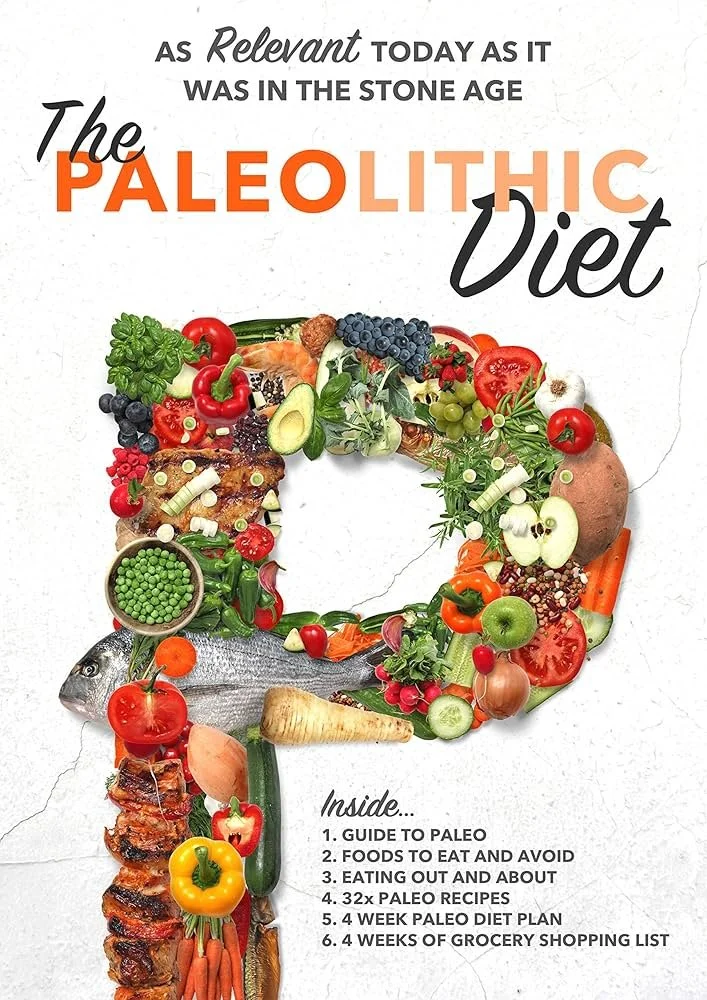
Guidelines include eating a relatively high amount of healthy fat such as coconut oil, avocado, ghee, and olives. Vegetables, raw or cooked, are the primary source of carbohydrates, rendering the diet relatively low-carb. Animal protein, including its naturally occurring fat, should be included in the diet. Red meat, poultry, pork, eggs, and organ meat are all encouraged. Some followers of this approach choose to emphasize vegetables and minimize meat; however, all devotees put a high premium on organic and grass-fed meats. Although included, fruits are limited since cavemen encountered these “treats” infrequently. It’s also strongly encouraged to follow a vigorous exercise regimen such as crossfit. It’s recommended that participants only eat when they’re truly hungry and ensure they get plenty of vitamin D from the sun.

Foods to include:

  • Vegetables

  • Meat

  • Poultry

  • Fish

  • Eggs

  • Quinoa

  • Healthy fats

  • Fruits

  • Nuts

Foods to avoid:

  • Wheat, rye, barley, oats, brown rice

  • Dairy, except for ghee and grass-fed butter

  • Processed foods

  • Artificially low-fat foods

  • Sugars

  • Fruit juices

Pros:

  • Whole foods approach

  • Encourages organic foods

  • Low in sodium and high in potassium

  • High in fiber

  • Healthy fats contribute to optimal brain function

  • Low glycemic load may stabilize blood sugar and reduce cravings and binges

Cons: 

  • High-quality meats may be expensive and difficult to obtain

  • Some may do well on carbs

  • Not ideal for vegetarians and vegans

Sources:

Staffan Lindeberg’s Food and Western Disease: Health and Nutrition from an Evolutionary Perspective
Paleo 101 www.paleodietlifestyle.com
The Paleo Diet www.thepaleodiet.com
Paleo Diet www.health.usnews.com 
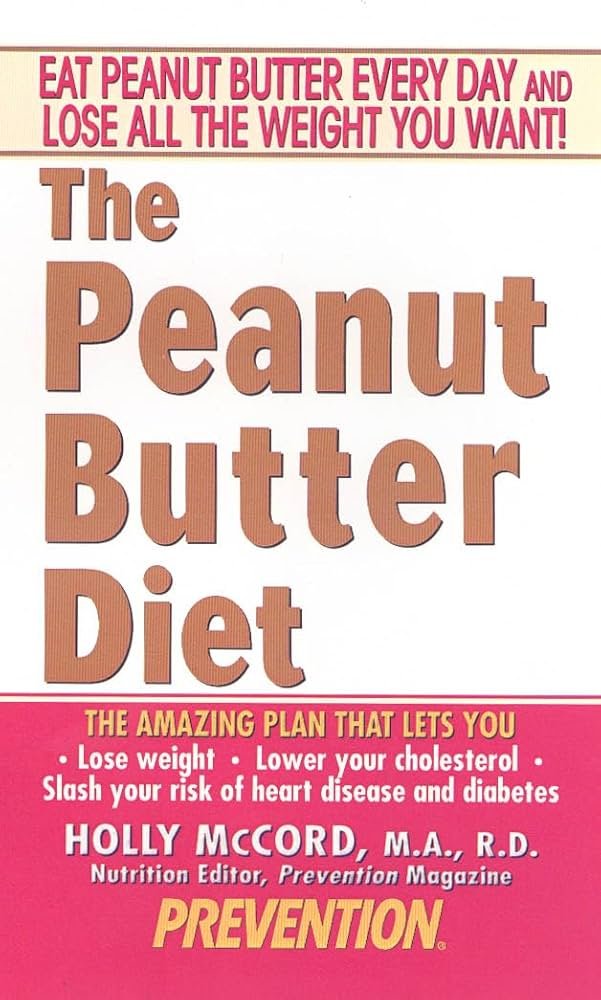
Peanut Butter Diet

The Peanut Butter Diet was written byHolly McCord, MA, RD, and former nutrition editor of Prevention magazine. Holly claims that by incorporating peanut butter into your daily diet, you will lose weight and potentially ward off heart disease. She contends that following a diet that tastes good and satisfies cravings is more sustainable and will lead to greater long-term success. Her approach is based on the idea that a diet higher in healthy fat is more satiating, stabilizing blood sugar, preventing cravings and binges.

This is a reduced calorie, portion-controlled approach that allows women 1,500 calories per day and men 2,200 calories daily. Approximately 35% of calories come from fat. For both women and men, 4-6 tablespoons of peanut butter should be consumed daily. Exercise is strongly emphasized on this plan, and Holly recommends 45 minutes daily. Weight loss is expected to be approximately 1-2 pounds per week and considered more sustainable and permanent than rapid weight loss.

 Foods to include: 

  • Vegetables

  • Fruits

  • Whole grains

  • Lean meats

  • Poultry

  • Fish

  • Low-fat dairy

  • Healthy fats

Foods to avoid:

  • Processed foods

  • Refined grains

  • Refined sugar

  • Full-fat dairy

Pros:

  • Healthy fats stabilize blood sugar

  • May become a lifestyle approach

  • Encourages whole foods

Cons:

  • Requires calorie counting, which may be unsustainable and foster obsessive behaviors in some

  • Some may do well on full-fat dairy

  • Peanut butter is one of the most common allergens

Sources:

Holly McCord’s The Peanut Butter Diet
Can You Slim Down on Peanut Butter Diet?
www.abcnews.go.com

Perfect 10 Diet

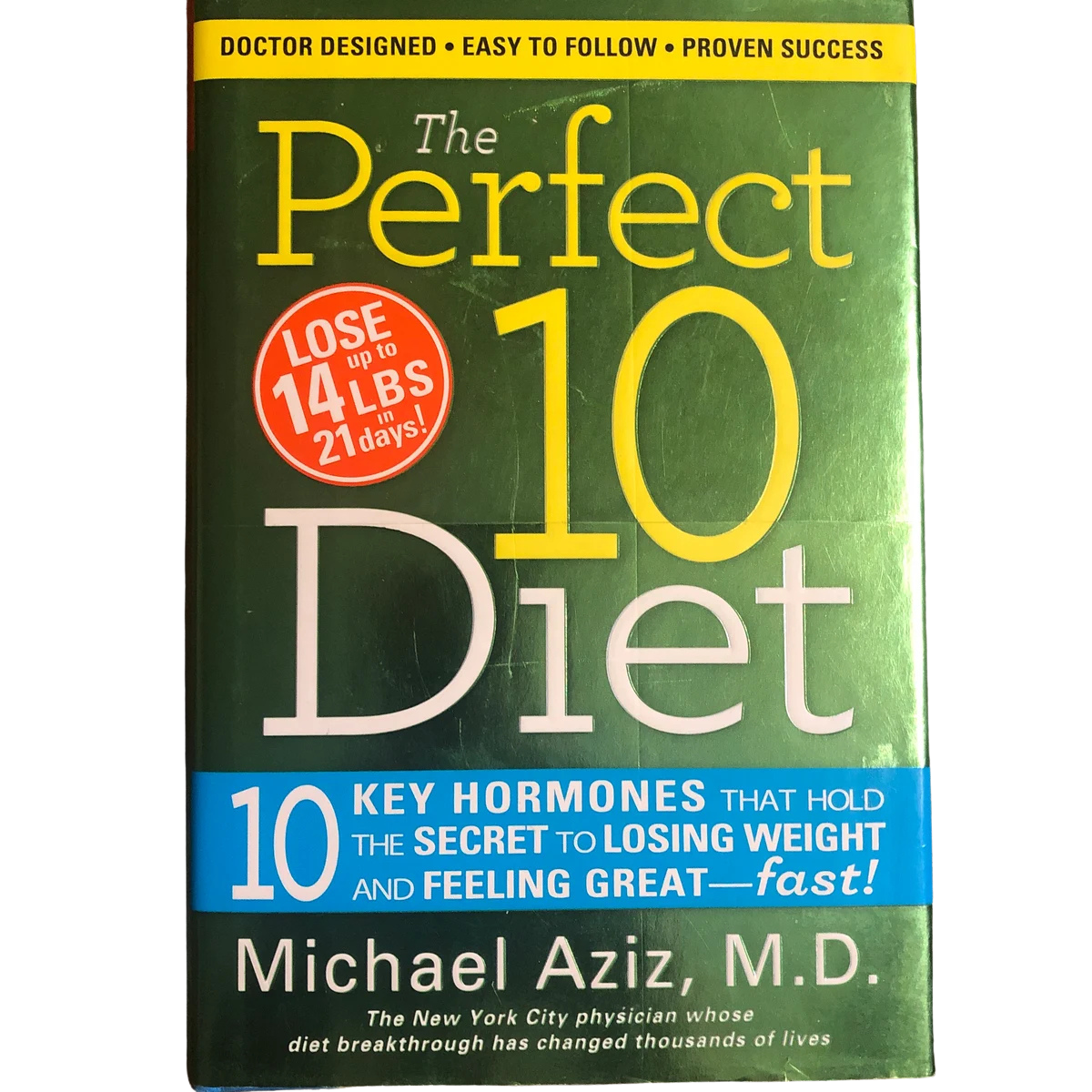
The Perfect 10 Diet was created by New York City internist Michael Aziz as an approach to help his patients balance hormones and manage weight. While on the Perfect 10 Diet, 40% of calories consumed should come from carbohydrates, 20% from protein, and 40% from fat.

This diet promotes eating whole foods in their natural state and discourages low-fat and non-fat alternatives. Aziz teaches that there are 10 key hormones that directly effect weight loss and overall health, and 10 perfect foods that help to balance these hormones. The 10 key hormones are insulin, glucagon, leptin, thyroid hormone, human growth hormone, cortisol, dehydroepiandrosterone (DHEA), estrogen, progesterone, and testosterone. The perfect 10 foods are eggs, shellfish, olive oil, dark-meat poultry, wild salmon, oranges, cruciferous vegetables, oatmeal, butter, and whole milk

There are three stages in the Perfect 10 Diet, all of which should be accompanied by 45 minutes of exercise 3-4 times per week. Stage one is the three-week “initiation” phase, intended to jump-start weight loss. It consists of three meals and two optional snacks, excluding all grains and alcohol. Stage two has all the components of stage one, but includes 1-3 daily servings of whole grains. However, if weight increases, it’s advised to cut back on grains again. This phase should be continued until the desired weight loss goal is met. Stage three is for maintenance, and may incorporate 3-4 daily servings of whole grains. During this phase, sweets and desserts may be eaten in moderation.

 Foods to include:

  • Fruits

  • Vegetables

  • Whole grains

  • Poultry

  • Fish

  • Eggs

  • Dairy

  • Olive oil

Foods to avoid:

  • Processed grains

  • Sugar

  • Trans fats

  • Alcohol

Pros: 

  • Encourages whole foods

  • May become a lifestyle approach

  • May balance hormones and lead to sustainable weight loss

Cons:

  • Does not consider bio-individuality

  • Restricting grains may lead to binges

  • May be difficult to avoid alcohol

Source:

The Perfect 10 Diet www.theperfect10diet.com

Perricone Prescription Diet

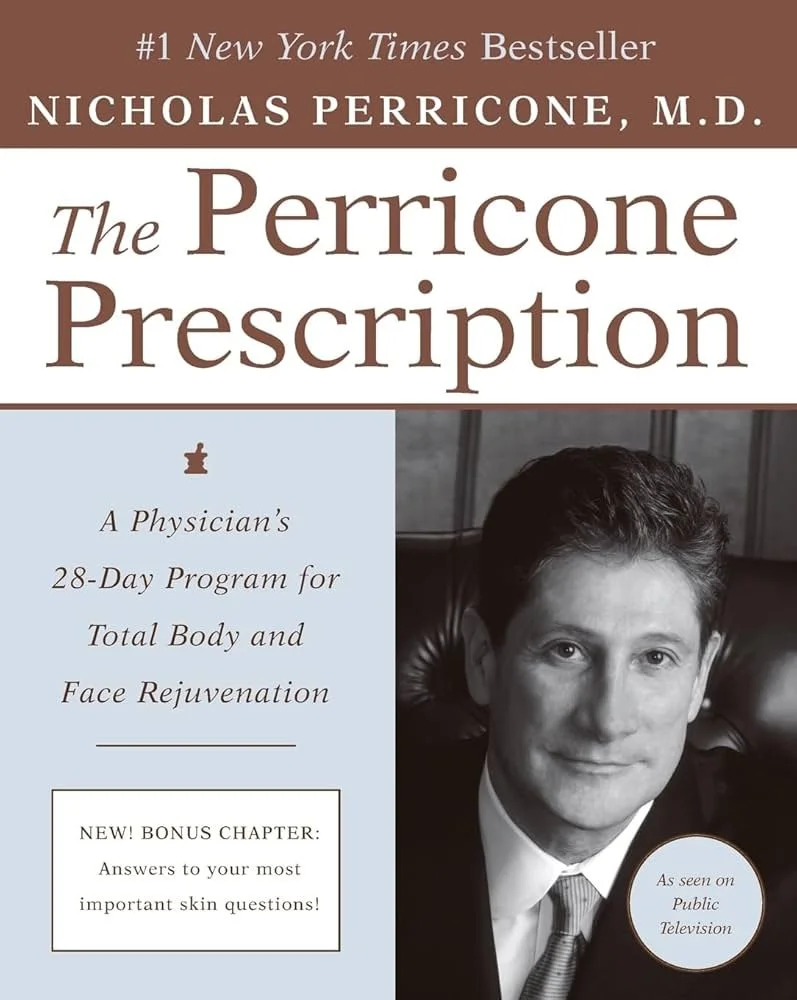
The Perricone Prescription, an anti-aging and anti-inflammatory diet, was developed in 2002 by dermatologist and author of The Perricone Prescription, Nicholas Perricone, MD. On a mission to determine how nutrition affects the body and the aging process, he discovered that sugar causes inflammation in cells. He states that “50% of aging is a result of sugar” and claims that sugar is “as bad for your skin as sun exposure.” Dr. Perricone teaches that inflammation causes wrinkles, acne, and many other degenerative diseases.

In The Perricone Prescription, he recommends eating three meals and two snacks each day along with taking 25 supplements. He advises dieters to incorporate 20-30 minutes of physical activity as well. The daily menu on this plan includes high-quality protein, healthy fats – especially those containing omega-3 fatty acids – low-glycemic carbohydrates, spring water, and beverages high in antioxidants. Dr. Perricone also advises to eat protein before carbohydrates at each meal. Foods emphasized are naturally anti-inflammatory and help to regulate blood sugar and insulin levels. In as little as three days on this plan, Dr. Perricone says that you can expect improved skin and damage reversal, a stronger immune system, increased bone density, improved metabolism, and a decreased risk of cancer and heart disease.

Foods to include:

  • Low-glycemic vegetables

  • Low-glycemic fruits

  • Organic animal protein

  • Wild fish

  • Some organic dairy

  • Whole grains

  • Beans

  • Nuts

  • Herbs and spices

  • Green and white teas

Foods to avoid:

  • High-glycemic vegetables

  • High-glycemic fruits

  • Duck

  • Beef

  • Hard cheeses

  • Processed carbohydrates

  • Sugar

  • Pickles

  • Soda

  • Alcohol

  • Coffee

  • Fruit juice

Pros:

  • Emphasizes healthy fats, critical for brain function

  • Encourages a whole foods approach

  • May reduce the risk of cancer and other diseases

Cons:

  • May be difficult to avoid coffee

  • Some dieters may need more exercise to see results

  • Some may require more structure to lose weight

Sources:

The 3-Tiered Philosophy www.perriconemd.com
The Perricone Promise www.webmd.com

Pescetarian Diet

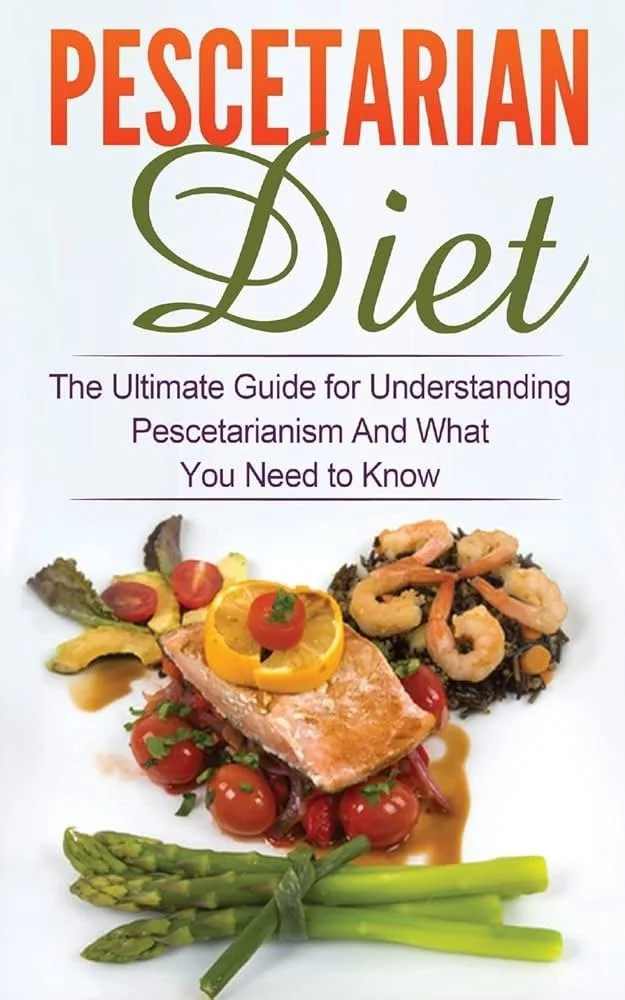
A pescetarian eats fish and shellfish, but no red meat, poultry, or other land animals. In addition to seafood, a pescetarian diet typically includes vegetables, fruits, nuts, grains, and beans. Some people choose to include eggs as well.

While many individuals choose this diet for better health, others have moral, religious, or cultural ties to it. Fish is a great source of omega-3 fatty acids, which boast a plethora of health benefits. Health studies have shown that omega-3 fatty acids found in fish oil may reduce the risk of heart disease, help improve memory and motor skills, lower blood pressure, improve circulation, reduce blood clotting, boost immunity, improve arthritis, lower cholesterol, and reduce inflammation. Salmon is often emphasized to include in this diet since it boasts a high number of omega-3 fatty acids. Unlike red meat and dark poultry, most fish is low in saturated fat. White fish – including sole, cod, haddock, and flounder – is very low in calories and fat, making it a desirable option to those taking a reduced-calorie approach.

 Foods to include:

  • Vegetables

  • Fruits

  • Fish

  • Eggs, if you choose

  • Whole grains

  • Beans

  • Dairy

  • Nuts

  • Seeds

Foods to avoid:

  • Red meat

  • Poultry

  • Eggs, if you choose

Pros:

  • May reduce the risk of heart disease

  • May result in weight loss

  • Supports brain function

Cons:

  • Some individuals do well on high-quality saturated fats found in meat and poultry

  • Not suitable for those who don’t like fish

  • May be too low in calories for some

Sources: 

Pescetarian Life www.pescetarianlife.com 
Omega-3 in fish: How eating fish helps your heart www.mayoclinic.com